
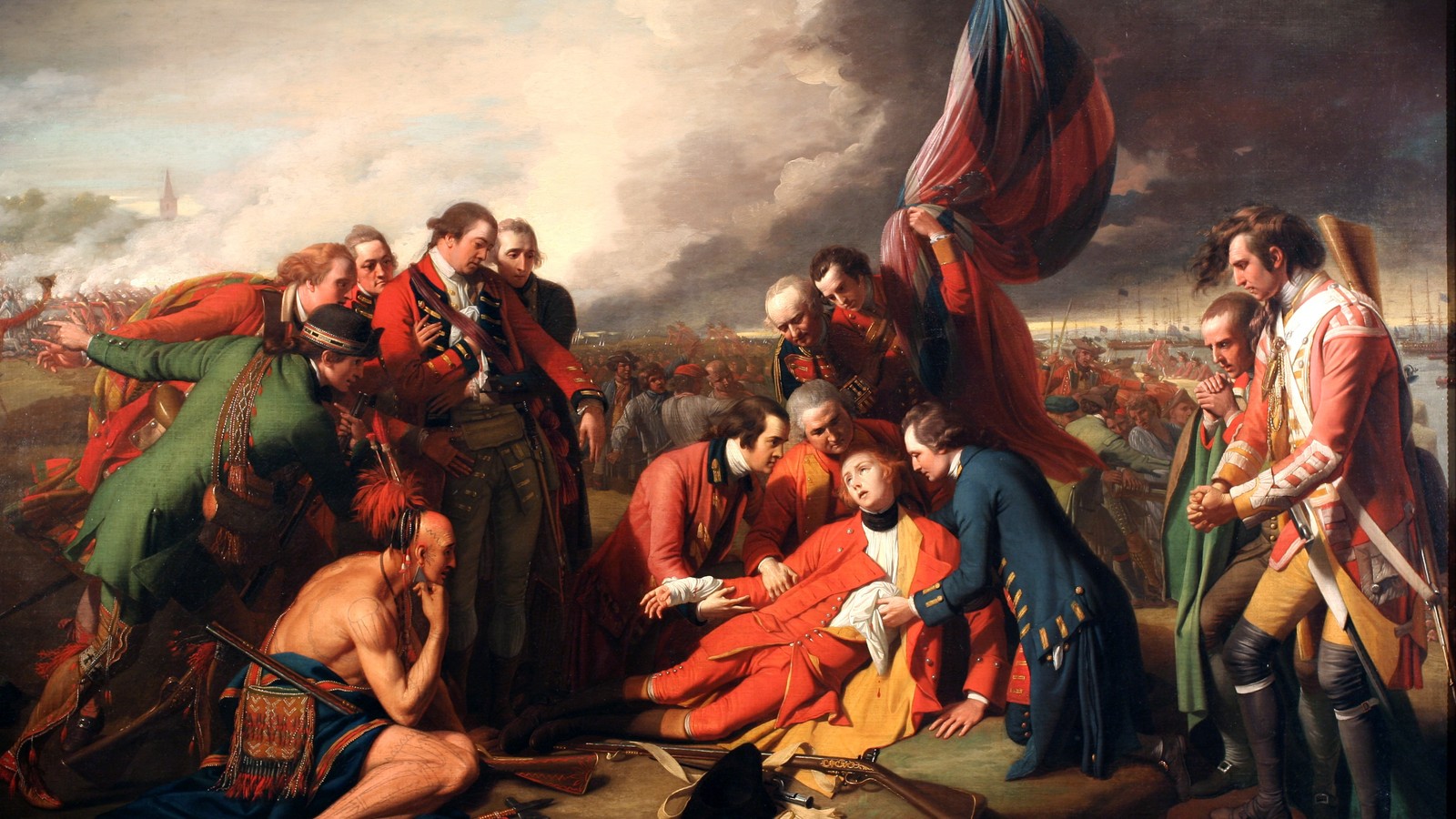
On the morning of 13 September 1759 two European armies met near Quebec City in a battle that would decisively influence the future of North America. It is 267 years since the Battle of the Plains of Abraham. The clash was part of the Seven Years’ War. On one side stood the British army commanded by James Wolfe; on the other, French forces led by Louis-Joseph de Montcalm.
A risky night operation
The British had been besieging Quebec for months, since the summer. As winter approached the campaign grew harder. Wolfe approved a night landing west of the town. Soldiers climbed to the heights; by morning several thousand British troops were formed up on the Plains of Abraham, named after the fisherman Abraham Martin. Parks Canada notes that the siege of Quebec ran from 26 June to 18 September 1759.
A short battle, enormous consequences
French forces came out to meet them. The fighting itself was relatively brief; the National Battlefields Commission describes it as lasting less than half an hour. The British won. Both principal commanders died of wounds received in the action: Wolfe the same day, Montcalm the next. Quebec City did not surrender on 13 September. The capitulation was signed on 18 September 1759. French forces did not vanish: they withdrew and continued the war.
The war did not end at Quebec
In April 1760 the French won the Battle of Sainte-Foy. The strategic picture had nonetheless changed. Montreal capitulated in 1760. By the Treaty of Paris of 1763 France ceded most of its North American possessions to Great Britain. The battle is often presented as one of the decisive moments in Canadian history, but the political change did not erase the francophone population, the French language, Catholicism or French legal traditions. That reality would later shape Quebec and Canada.
Not only British and French
The war should not be reduced to an exclusively European contest. Parks Canada records that on 13 September Wolfe defeated a force of French regulars, French-Canadian militia and Indigenous allies led by Montcalm, and that the new regime also led to a realignment of alliances with First Nations. Alliances nonetheless varied by nation, region and moment; not all Indigenous fighters in North America stood on the same side. The Parks Canada commemorative plaque avoids that simplification.
Image: Benjamin West, The Death of General Wolfe, 1770, public domain. This is a history painting, not a photograph of the battle; the scene is idealised. Wikimedia Commons file. Cropped to 16:9.
Sources consulted: Siege of Quebec, 1759 National Historic Event (Parks Canada); Battle of the Plains of Abraham (The Canadian Encyclopedia); Discover Canada — Canada’s History (Government of Canada).



0 Comments
No comments on this article yet. Be the first!