
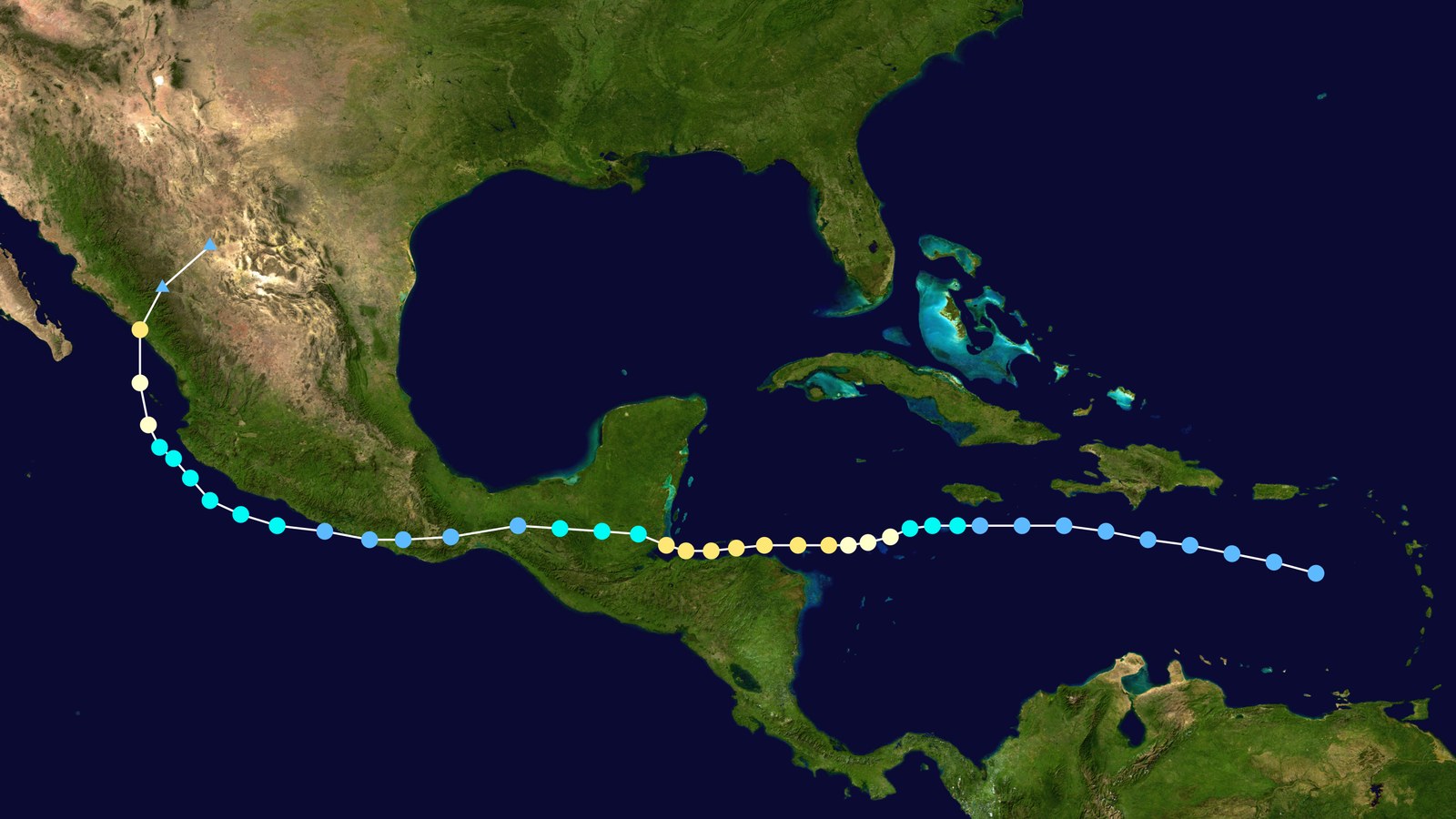
18 September 2026 marks 52 years since Hurricane Fifi’s impact on Honduras and other parts of Central America.
Fifi formed in the Caribbean Sea in mid-September 1974 and moved west. It reached hurricane strength, but most of the destruction did not come directly from wind.
The system’s circulation brought extreme rain over northern Honduras. Rivers overflowed; flooding and landslides struck towns, villages, plantations and roads.
The storm passed close to the Honduran coast and later reached Belize. Its remnants crossed Central America and contributed to the formation of Pacific storm Orlene.
The precise death toll remains uncertain. Historical sources give widely differing estimates, from several thousand to more than eight thousand, because of destroyed communities, weak communications and incomplete records.
Hundreds of thousands of people lost their homes, and Honduran agriculture suffered heavy losses. Reconstruction was slowed by poverty and vulnerable infrastructure.
The name Fifi was retired from hurricane lists because of the disaster’s severity. The event remains one of the deadliest tropical cyclones in Atlantic history.
Fifty-two years later, the episode shows that danger is not set only by wind category: rainfall, terrain, construction quality and evacuation capacity can decide the scale of losses.
Image: Fifi–Orlene 1974 track map, National Hurricane Center data, NASA background / Wikimedia Commons, public domain. Cropped to 16:9.
Source consulted: Hurricane Fifi/Orlene rainfall | NOAA Weather Prediction Center; Retired Atlantic hurricane names | National Hurricane Center.








0 Comments
No comments on this article yet. Be the first!