
On 18 September, anniversary calendars often recall Christopher Columbus’s expedition reaching the Caribbean coast of the territory now called Costa Rica. The documented chronology is more precise than a single popular date.
The navigator was on his fourth and final Atlantic voyage, begun in 1502. The aim was a passage towards the Indian Ocean and Asian markets, on a mental map that continued to misread the geography of Central America.
According to Ferdinand Columbus’s account, the fleet anchored on Sunday, 25 September 1502, at Quiribrí island — named La Huerta by the admiral and known today as Isla Uvita — opposite the mainland settlement called Cariay, in the area of modern Limón.
Costa Rica’s Academy of Geography and History accepts that date. 18 September appears in some calendars, but local research shows that on 17 September the expedition was still far from Cariay after the loss of a ship’s boat.
The region was not empty land. Indigenous communities, including the Cariari, had their own political, economic and cultural structures. The accurate description is a documented European contact, not the beginning of the territory’s history.
The name Costa Rica was later associated with European impressions of possible wealth. Historians still debate the precise origin of the name.
Effective Spanish colonisation developed slowly compared with other Central American territories. It brought epidemics, exploitation, conflict and the transformation of Indigenous societies.
The fourth voyage did not find a route to Asia. The ships faced storms and damage, and the expedition ended in 1504. Five hundred and twenty-four years later, the episode should be read as European maritime exploration and as the start of an unequal encounter.
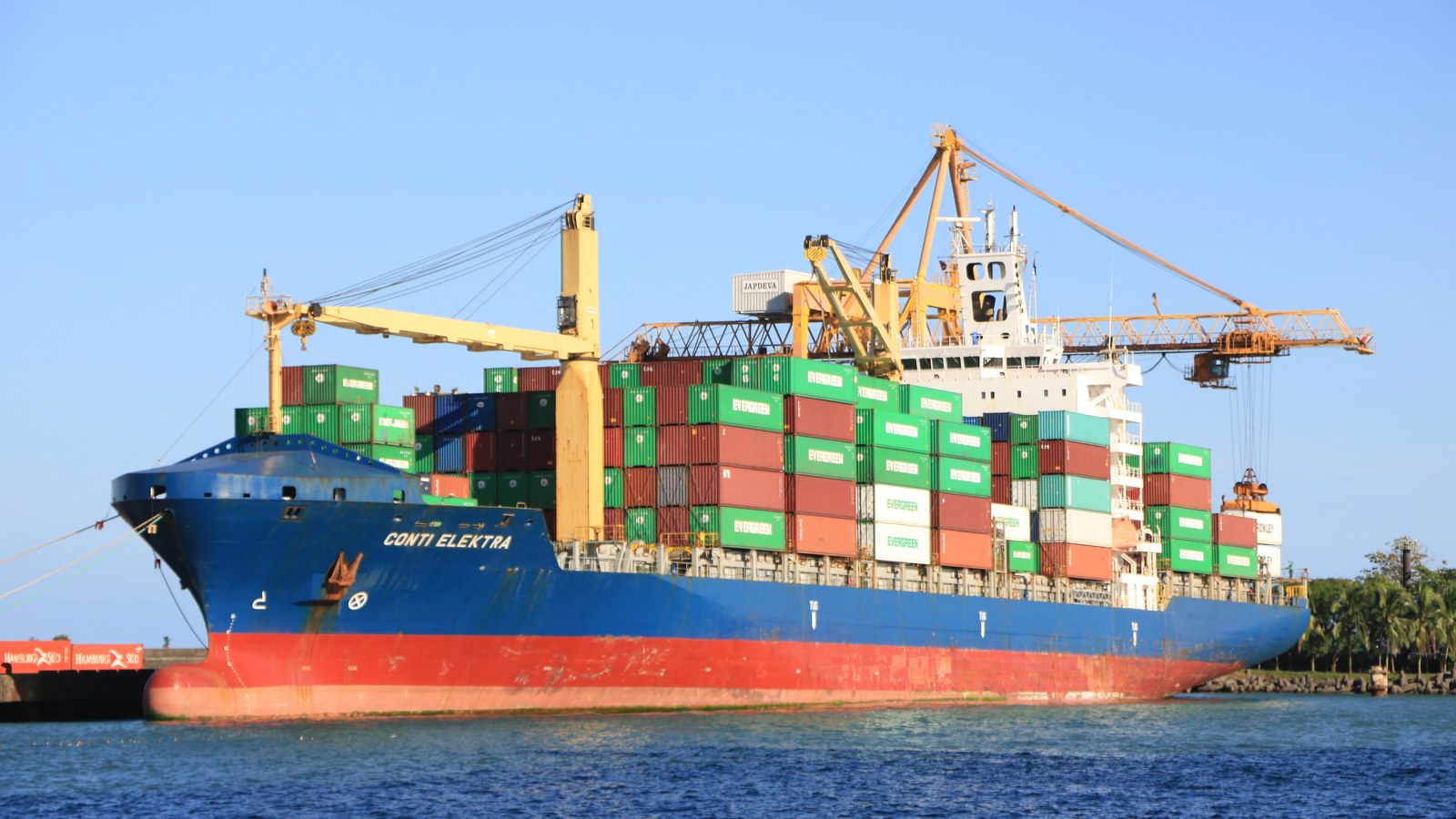
Image: Wikimedia Commons, CC BY 4.0. Container ship at the port of Moín, near Limón. Contemporary photograph, not from 1502. Cropped to 16:9.
Source consulted: Costa Rica: History | Encyclopaedia Britannica; Christopher Columbus: the fourth voyage | Encyclopaedia Britannica; Tres Colón en Cariay (1502) | Revista de Biología Tropical.






0 Comments
No comments on this article yet. Be the first!