
On 18 September 1960 a competition now recognised as the first Paralympic Games opened in Rome. Around 400 athletes from 23 countries competed until 25 September, shortly after that summer’s Olympic Games in the same capital. The name used at the time was the International Stoke Mandeville Games; the label “Paralympic” was adopted officially later.
The origin lay in the work of neurologist Ludwig Guttmann, who had introduced sport into the rehabilitation of patients with spinal cord injuries at Stoke Mandeville Hospital in Britain. The first games there had been organised in 1948, on the same day as the opening of the London Olympics. International participation grew in the following years, and Rome moved the movement onto a global sporting stage.
The 1960 programme included archery, athletics, wheelchair basketball, wheelchair fencing, swimming, table tennis and snooker. Eligibility was largely limited to athletes with spinal injuries; classification became far more inclusive only at later editions. Projecting today’s categories back onto that event would be anachronistic.
The Games were not a model of accessibility. Some venues were not adapted for wheelchairs, and physical assistance to participants proved essential. Those limits are part of the history, not details to skip: later gains in organisation and infrastructure are measured against them as well.
The International Paralympic Committee treats Rome 1960 as the starting point of the modern series. Sixty-six years on, the edition remains a landmark in recognising athletes with disabilities as elite competitors, not as a medical-rehabilitation chapter moved onto a stadium.
Anyone documenting the anniversary should keep current respectful terminology and, at the same time, the historical name of the games. IPC sources and Olympic material on the history of the movement are the starting point, not undated anecdotal reminiscence.
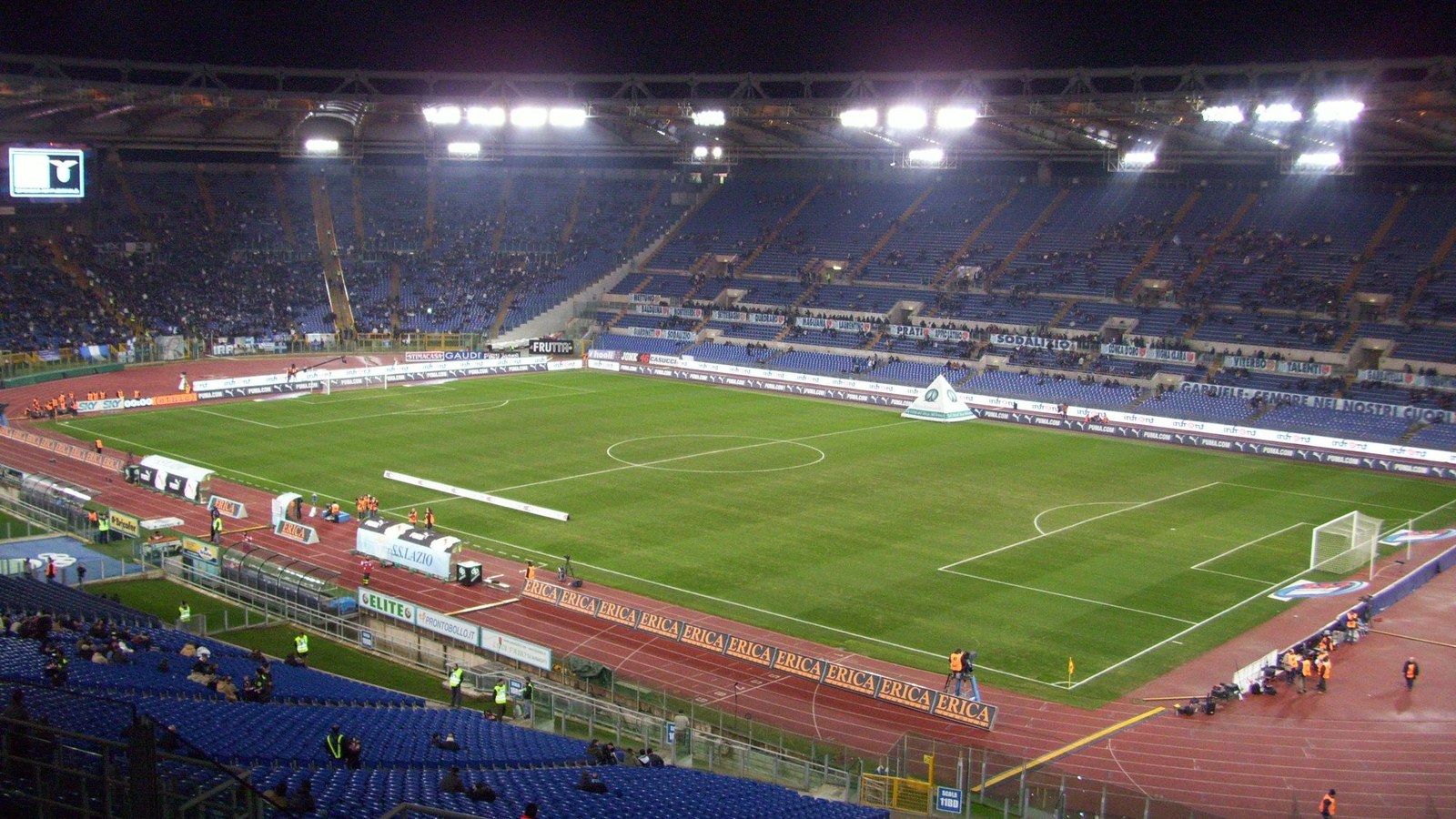
Image: Stadio Olimpico, Rome / Wikimedia Commons. The capital’s Olympic arena, not a competition photograph from the 1960 Games. Cropped to 16:9.
Source consulted: Rome 1960 | International Paralympic Committee; History of the Paralympic Movement | IPC.

0 Comments
No comments on this article yet. Be the first!