
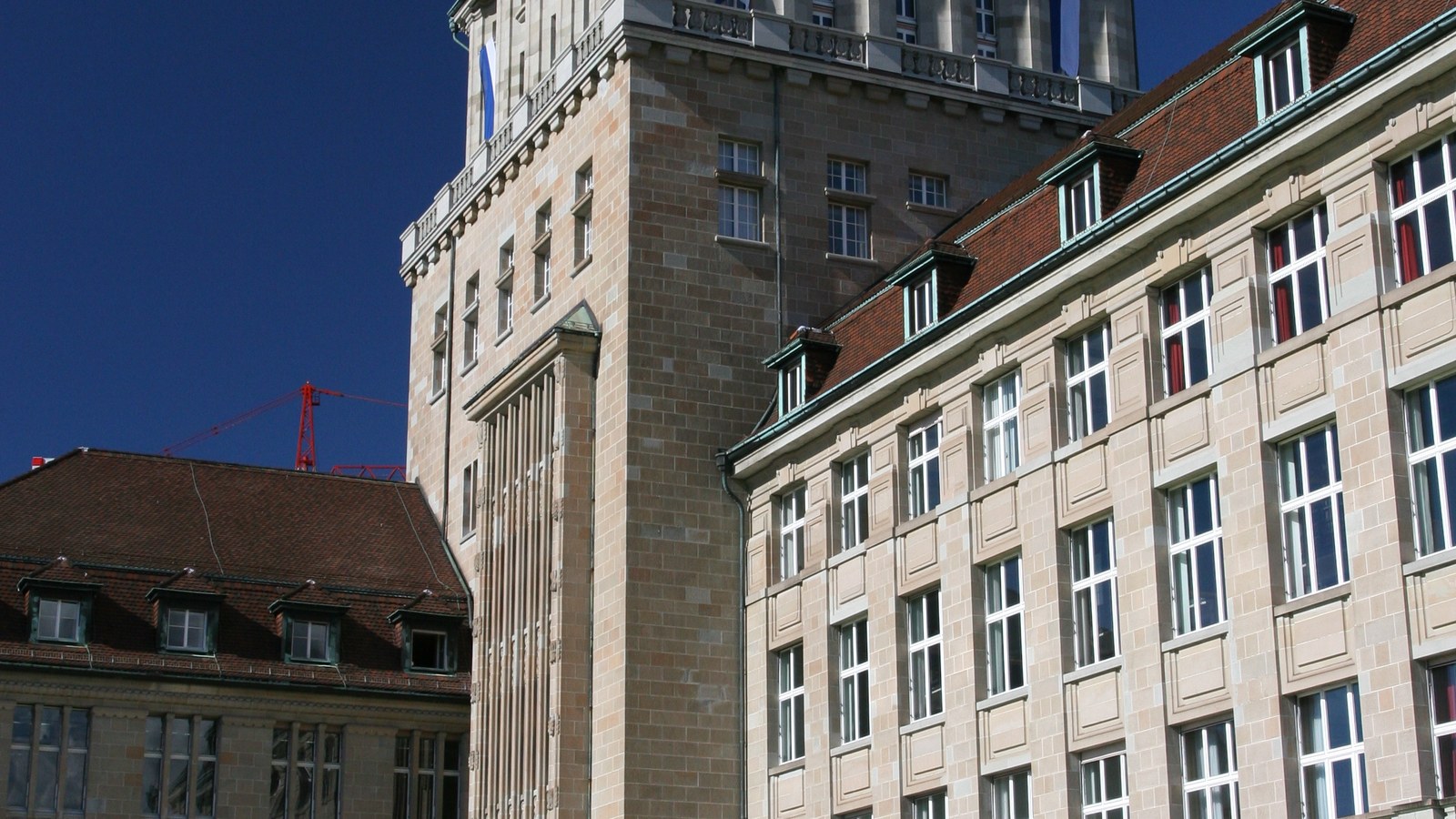
On 19 September 1946, Winston Churchill spoke at the University of Zurich about a Europe leaving war with ruined cities and millions dead or displaced. Continental cooperation, he said, was a way to avoid another conflict.
Franco-German reconciliation stood at the centre. An association of European states had, in his view, to be built around restoring trust between two countries that had fought each other repeatedly.
The phrase “a kind of United States of Europe” has lasted. Churchill did not table a complete institutional plan and did not define the United Kingdom’s exact place in that structure. He asked for a practical first step: a Council of Europe.
An organisation of that name was founded in 1949, with missions of democracy, human rights and the rule of law. It is not the European Union. Economic integration followed another track, including the European Coal and Steel Community of 1951.
The speech did not, by itself, create the post-war institutions. It remains a document of how a leader of the era turned the experience of war into an argument for reconciliation.
Eighty years on, the Zurich text is worth reading without turning it into the EU’s founding act or confusing the Council of Europe with the Community’s Brussels.
Image: University of Zurich / Wikimedia Commons. The host building, not a photograph of Churchill at the 1946 lectern. Cropped to 16:9.
Source consulted: Winston Churchill, speech at the University of Zurich, 19 September 1946 | Council of Europe; Let Europe Arise! | International Churchill Society.






0 Comments
No comments on this article yet. Be the first!