
September 20, 2026 marks 960 years since the Battle of Fulford, the first of three clashes that decided England in the autumn of 1066. English Heritage places it south of York on 20 September, between the River Ouse and marshy ground.
After Edward the Confessor’s death, the crown was contested. Harald Hardrada, king of Norway, landed in the north with Tostig Godwinson, the exiled brother of King Harold II. Earls Edwin of Mercia and Morcar of Northumbria tried to stop them before they entered York.
The Anglo-Saxon Chronicle says the fighting was bloody and that the Norwegians held the field. The exact site is still debated; suggestions such as Germany Beck are not a unanimously designated battlefield. Troop numbers remain medieval estimates, not a census.
Victory opened the way to York. Harold II marched from the south and, on 25 September, surprised them at Stamford Bridge. Hardrada and Tostig were killed. That is not the same battle as Fulford.
The English army then had to move south again to meet William’s Norman landing. On 14 October Harold was defeated at Hastings. The sequence of the three days, not a single clash, changed the kingdom.
Today’s commemoration concerns 20 September alone. Stamford Bridge and Hastings are consequences, with distinct dates and sides.
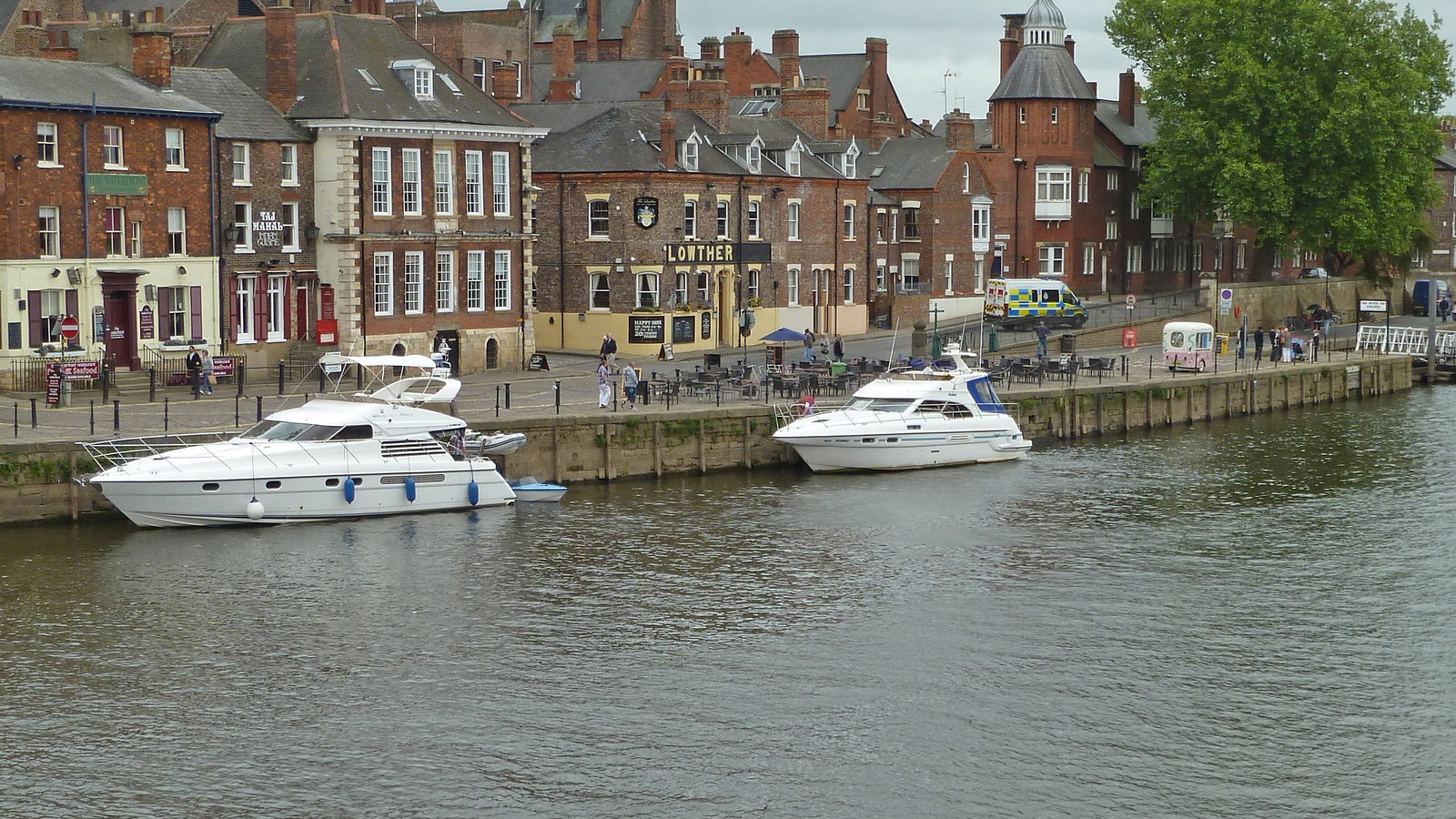
Image: Tim Green, River Ouse at York, 15 May 2011, CC BY 2.0, Wikimedia Commons. Present-day view, not the 1066 Fulford battlefield. Cropped to 16:9.
Source consulted: Fulford and Stamford Bridge: The Northern Battles of 1066 — English Heritage.







0 Comments
No comments on this article yet. Be the first!