
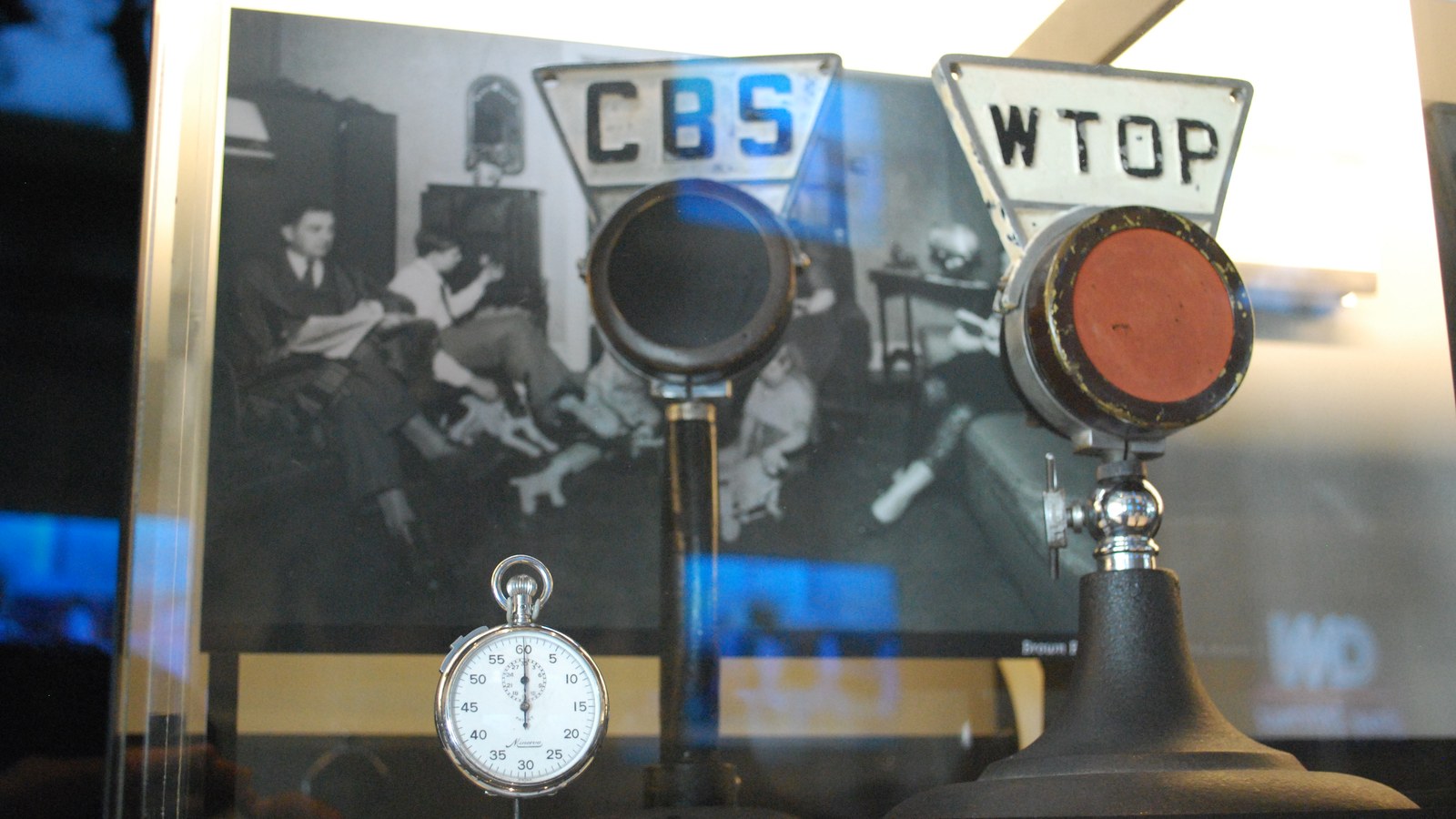
18 September 2026 marks 99 years since the first broadcast of the Columbia Phonographic Broadcasting System, the radio network that would become CBS. The 1927 debut originated at WOR in Newark with an orchestral concert and linked a group of 16 affiliated stations east of the Rockies.
The network did not begin as a media giant. Talent manager Arthur Judson launched United Independent Broadcasters after failing to secure the talent contract he believed he had with NBC. Columbia Phonograph supplied capital and a name; within weeks, AT&T line charges and a shortage of advertisers led the record company to withdraw.
In 1928 William S. Paley, then about 26, took charge. He shortened the name to Columbia Broadcasting System, renegotiated affiliate contracts and shifted programming from “highbrow” music towards a wider audience. The West Coast extension came only in 1929, through a deal with Don Lee. Later corporate entities that used the CBS name — television, cable and streaming — should not be confused with the modest 1927 radio network.
In the 1930s and 1940s CBS built a news service. Correspondents including Edward R. Murrow and his colleagues in Europe showed what radio could do in wartime. After 1945, television gradually moved the centre of gravity from sound to pictures.
Ownership changes in later decades — from Paley to the conglomerates that kept the CBS logo — belong to another stage. The 2026 anniversary marks the evening of 18 September 1927, not the present structure of the media market.
A year before the centenary, the date remains a marker in American radio: a new, financially fragile network that went on air with an orchestra, not a television empire.
Image: Sagie, CBS and WTOP microphones, National Museum of American History. Wikimedia Commons, CC BY-SA 2.0. Not the 1927 studio. Cropped to 16:9. Licence. Original file.
Sources consulted: John F. Schneider / The Radio Historian — The Beginnings of the CBS Radio Network; Encyclopaedia Britannica — CBS Corporation.





0 Comments
No comments on this article yet. Be the first!