


On 26 October 1973, in Strasbourg, the member States of the Council of Europe opened for signature the Agreement on the Transfer of Corpses, ETS No. 80. The English and French texts are equally authentic, in a single copy deposited in the Organisation’s archives; the Secretary General transmits certified copies. The preamble seeks to simplify formalities and notes that transfer does not create a health risk, even if death was due to a communicable disease, provided the coffin is impervious.
Article 1 applies as between the Parties. Transfer means the international transport of human remains from the State of departure to the State of destination, where the corpse is to be buried or cremated; for exhumed remains, the State of departure is that of burial. The Agreement does not apply to the international transport of ashes.
Article 2 sets the maximum requirements for despatch, transit and admission; Parties remain free to grant greater facilities by bilateral agreements or in special cases, especially between frontier regions, with the consent of all States involved. Article 3: a laissez-passer for a corpse, issued by the competent authority of the State of departure, in that State’s official language and in one official language of the Council, following the model in the annex. Article 4: the State of destination and the transit State shall require no documents other than this laissez-passer, apart from those relating to transport in general.
Article 5 requires, before issue, that the medical, health, administrative and legal rules of the State of departure have been met, that the coffin complies with Articles 6 and 7, and that it contains only the remains of the named person and such personal effects as are to be buried or cremated with the corpse. Article 6: the coffin must be impervious and contain absorbent material; if necessary, a device to balance internal and external pressure. It may be an outer wooden coffin at least 20 mm thick with a soldered zinc inner coffin, or a single wooden coffin at least 30 mm thick lined with zinc. If death was from a contagious disease, the body shall be wrapped in a shroud impregnated with an antiseptic solution. For air transport, the pressure device or resistance recognised as adequate. Article 7: if carried as an ordinary consignment, the package shall no longer resemble a coffin and shall be marked to be handled with care.
Article 8: each Party communicates to the Secretary General the competent authority. Article 9: if a transfer involves a third State party to the Berlin Arrangement of 10 February 1937, a Party may require another to take measures so that the former can meet its Berlin obligations. Article 10 opens signature to Council members, with or without reservation as to ratification. Article 11 brings the Agreement into force one month after three members have become Parties; for others, one month after signature without reservation or after deposit of the instrument. That date was 11 November 1975. Article 12 allows accession by non-members, on invitation of the Committee of Ministers.
Article 13 allows territorial application and later extension. Article 14: the Agreement remains in force indefinitely; denunciation takes effect after six months. Article 15 lists the Secretary General’s notifications. The 1937 Berlin Arrangement remains in force for States that have not ratified ETS 80; this Agreement supersedes it only as between Parties to both.
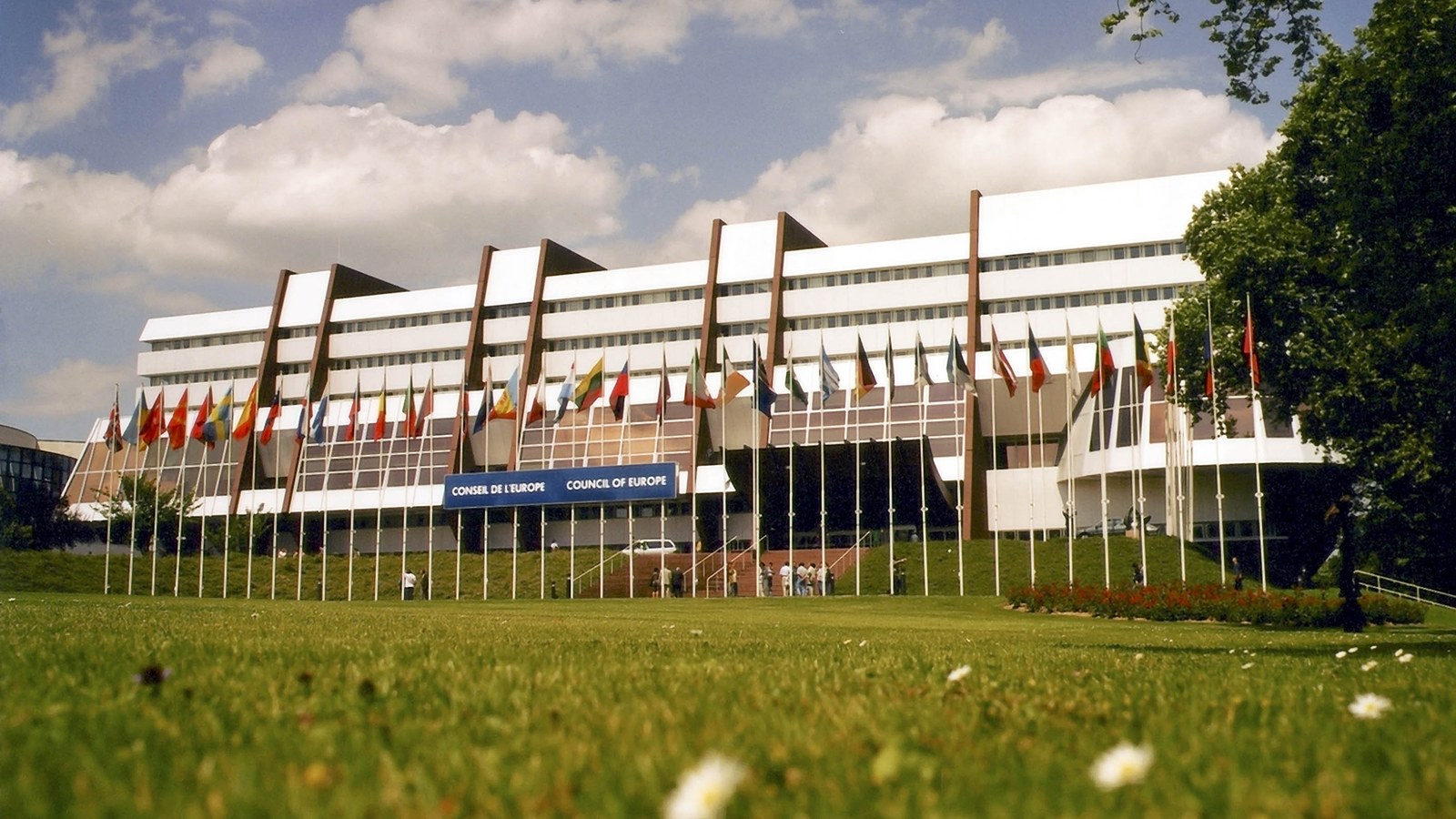
Image: Palais de l'Europe, Strasbourg, seat of the Council of Europe (building opened 1977); Council of Europe; CC BY 3.0, Wikimedia Commons. Cropped to 16:9.
Source consulted: Agreement on the Transfer of Corpses. Treaty text: Agreement on the Transfer of Corpses, Strasbourg, 26 October 1973 (ETS 80).











0 Comments
No comments on this article yet. Be the first!