


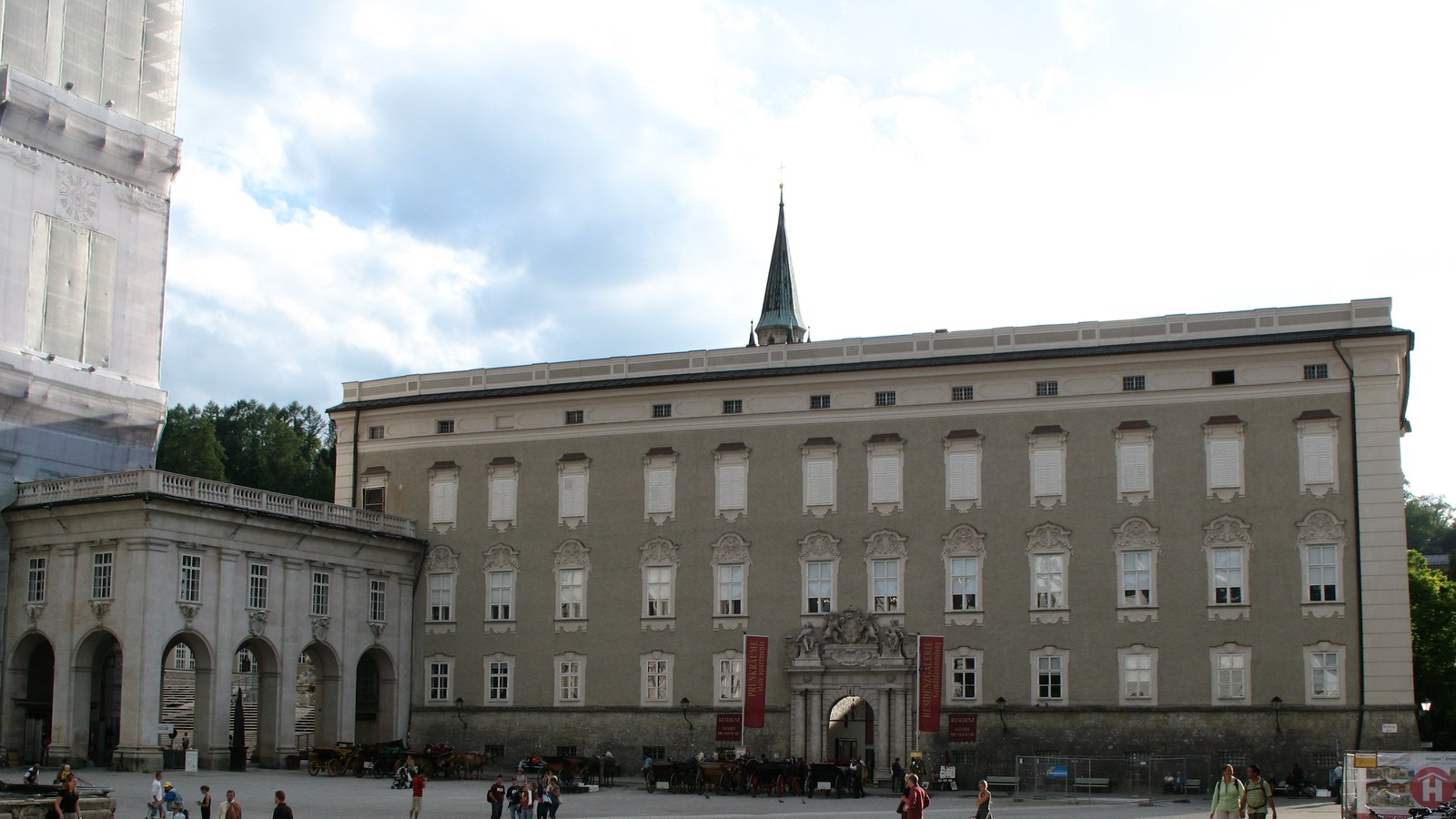
On 7 November 1991, in Salzburg, Germany, France, Italy, Liechtenstein, Austria, Switzerland and the European Economic Community signed the Convention on the Protection of the Alps. One original, in German, French, Italian and Slovene, each text equally authentic, deposited in the Austrian State Archives; the depositary is the Republic of Austria. It is not the 2003 Carpathian Convention and not a treaty of the European Union.
The preamble: the Alps are a continuous natural area in the heart of Europe, a living and economic environment for the indigenous population and also vital for extra-Alpine regions, including as transport routes; human pressures increasingly threaten ecological functions, and the damage is often irreparable. The Parties intend to reconcile economic interests with ecological requirements, following the first Alpine Conference of Environment Ministers in Berchtesgaden, 9–11 October 1989.
Article 1: the Convention covers the Alpine region as described in the Annex; a Party may extend application to additional parts of its national territory by a declaration to the depositary. Article 2: the Parties shall pursue a comprehensive policy of preservation and protection, applying the principles of prevention, polluter pays and cooperation. Twelve areas, from population and culture to waste, including spatial planning, air, soil, water, nature, mountain farming, mountain forests, tourism, transport and energy. Details are to be laid down in Protocols.
Article 3: joint research and systematic monitoring. Article 4: exchange of legal, scientific, economic and technical information; keeping the public informed; national confidentiality law remains. Article 5: the Conference of Contracting Parties (Alpine Conference) normally meets every two years, with a rotating chair; the first meeting at the latest one year after entry into force. Observers: the United Nations, the Council of Europe, European countries, cross-border Alpine associations and, if admitted, non-governmental organisations.
Articles 6–7: the Conference adopts amendments, Protocols, its Rules of Procedure, financial decisions and Working Groups; the rule is unanimity, with a three-quarters majority for some functions. Within its competence the European Economic Community votes with a number of votes equal to its Member States that are Parties, and does not vote where those States vote. Article 8: a Permanent Committee as the executive body. Article 9: the Conference may decide unanimously to set up a permanent secretariat. Article 11: a Protocol enters into force after at least three ratifications.
Article 12: the Convention is open for signature from the date of signature, with the depositary; it enters into force three months after three States have expressed consent to be bound. Article 13: denunciation takes effect after six months. Entry into force: 6 March 1995, after Austria, Liechtenstein and Germany. Slovenia signed on 29 March 1993, Monaco on 20 December 1994. The permanent secretariat in Innsbruck (2003) is a later decision under Article 9, not a 1991 office. The Protocols (spatial planning, tourism, transport and the others) are separate instruments.
Image: Residenz, Salzburg, place of signature; Andrew Bossi, 7 July 2007; CC BY-SA 2.5, Wikimedia Commons. Cropped to 16:9.
Source consulted: Alpine Convention. Treaty text: Convention on the Protection of the Alps (Alpine Convention), Salzburg, 7 November 1991.











0 Comments
No comments on this article yet. Be the first!