


The Carnation Revolution, on 25 April 1974, overthrew the Caetano government. The MPLA, FNLA and UNITA each signed ceasefires with Lisbon, then fought one another for Luanda. Holden Roberto, Agostinho Neto and Jonas Savimbi met in Bukavu, in Zaire, in July, as a single interlocutor. In Mombasa, on 5 January 1975, they stopped fighting one another and fixed a joint position. In Alvor, in the Algarve, they sat from 10 to 15 January. FLEC and the Eastern Revolt were kept off the table.
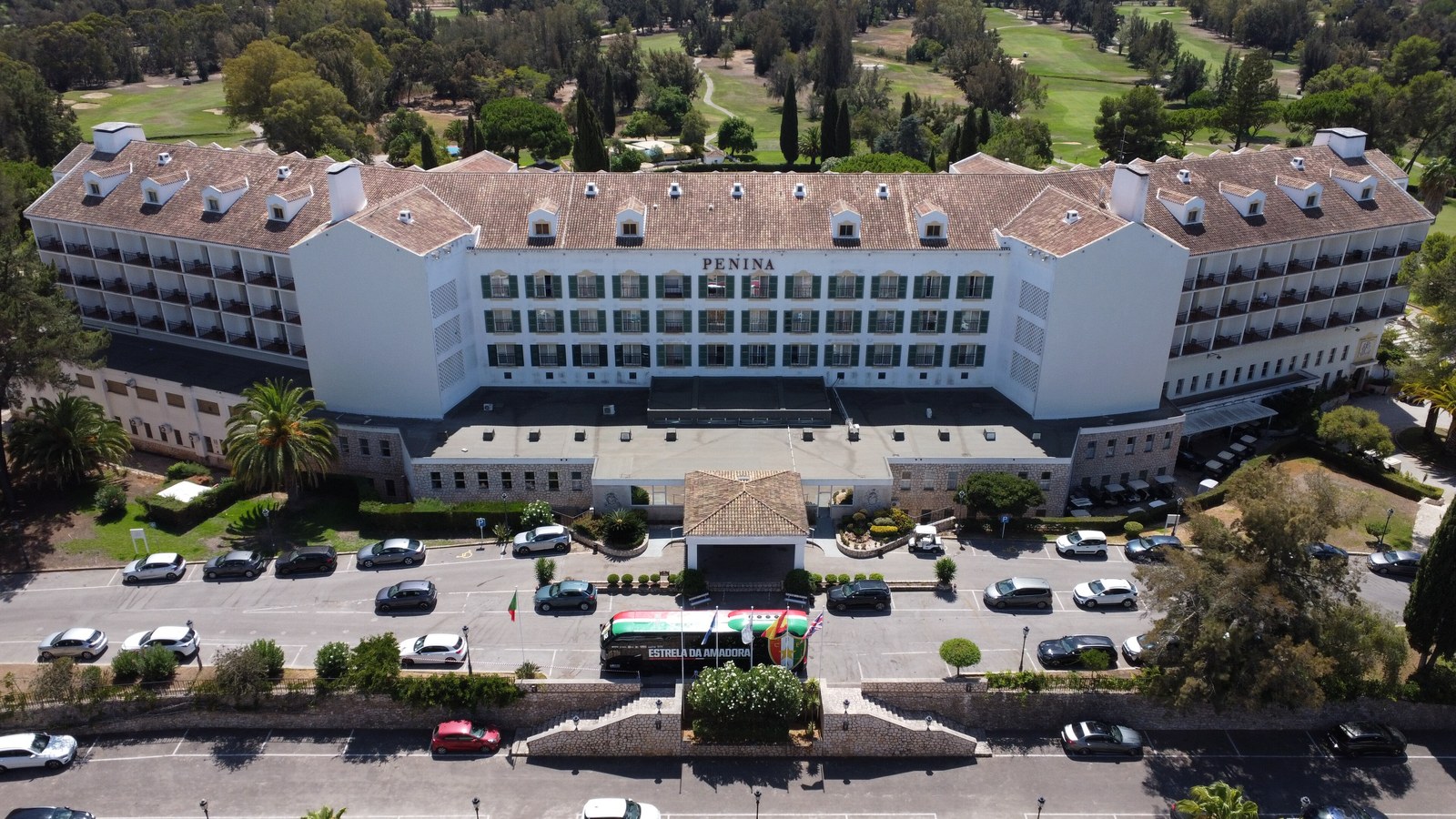
The Agreement between the Portuguese State and FNLA, MPLA and UNITA was signed on 15 January 1975, at 12:45, at the Penina Hotel. For Portugal: Ernesto Melo Antunes, António de Almeida Santos, Mário Soares, António Silva Cardoso and the rest of the delegation; for Angola, Roberto, Neto and Savimbi. President Francisco da Costa Gomes ratified on 28 January, the date from which the text took effect. Independence was set for 11 November. The document, 60 articles, in four official copies, says Angola would be a free and sovereign state. Cabinda is an “integral and inalienable part” of Angola; FLEC did not sign.
From 31 January until independence, a transitional government: the Portuguese High Commissioner (Admiral Rosa Coutinho, then Silva Cardoso, Macedo, Leonel Cardoso) and a Prime Ministerial Council with one representative each from MPLA, FNLA and UNITA, a rotating premiership, decisions by two-thirds. Twelve ministries, three for each party, including Portugal. The Angolan Defense Forces: 48,000 men — 24,000 Black soldiers of the Portuguese Army and 8,000 from each movement, separate barracks, unanimity at headquarters. Elections for the National Assembly in October. Candidates only from the three movements: eastern Bakongo, Cabindans and whites stayed off the lists, so they would have to join parties.
There was no check on numbers. In February Havana warned that the agreement would not hold. In June, at Nakuru, under Jomo Kenyatta, the three restated Alvor, on the 21st. In July the MPLA forced the FNLA out of Luanda; UNITA withdrew to the south. By August the MPLA held 11 of 15 provincial capitals, including Cabinda. South Africa sent, on 23 October, 1,500–2,000 troops from Namibia. The Portuguese left on 10 November. Neto proclaimed, on the 11th, the People’s Republic of Angola; FNLA and UNITA, a government in Huambo.
The photograph of the Penina Hotel, CC BY-SA 4.0, shows the hall on the Algarve coast where the signing took place. Almeida Santos, a minister at the table, told Agência Lusa that as soon as he saw the text he knew it “would not work”.
The agreement closed the thirteen-year war of independence and opened the civil war. The triple-veto transition paralysed the executive before 11 November arrived.
Sources: Alvor Agreement; Ministry of Foreign Affairs of Portugal, official exemplar of the Alvor Agreement.











0 Comments
No comments on this article yet. Be the first!