


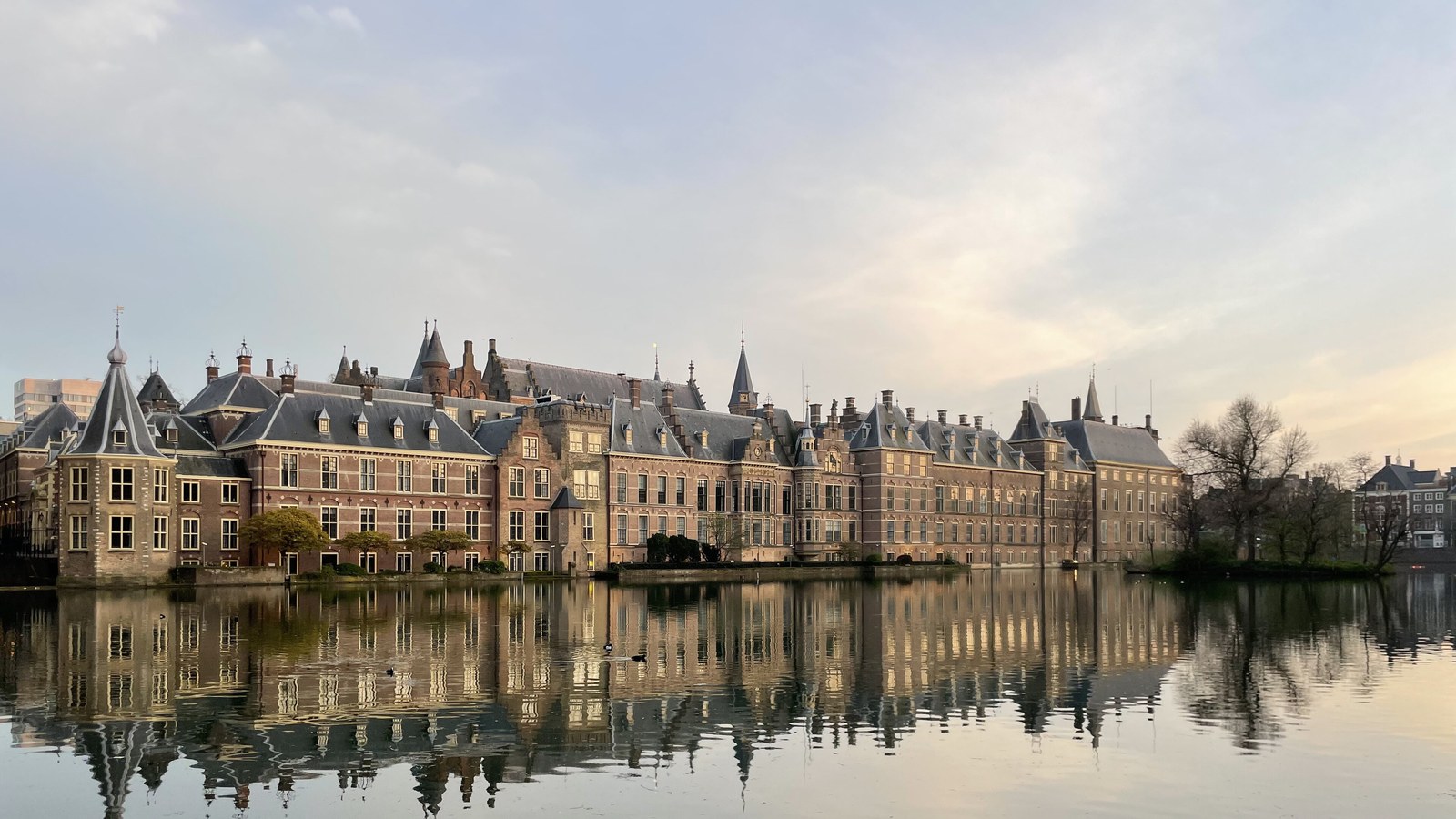
On 6 November 1972, in The Hague, Wim Blokzijl, Head of the Inspection Division of the State Property Directorate of the Ministry of Finance, for the Netherlands, and Lloyd Douglas Thomson, Australian Ambassador, signed the Agreement between Australia and the Netherlands concerning Old Dutch Shipwrecks, together with an arrangement of principles. Two originals in the English language. Article 10: the Agreement enters into force on the date of both signatures. It is not the 2001 UNESCO Underwater Cultural Heritage Convention and not Australia’s Historic Shipwrecks Act 1976.
The preamble: vessels of the Dutch East India Company (VOC) were wrecked on or off the coast of Western Australia; the Netherlands is successor to the VOC by Article 247 of the 1798 Constitution of the Batavian Republic. Article 1: the Netherlands transfers to Australia all its right, title and interest in wrecked VOC vessels lying on or off the coast of Western Australia and in any articles thereof; Australia accepts. Article 2: “articles” means any part of those vessels that has become or been detached or removed, as well as fittings, goods and other property, wherever situated, that were installed or carried on those vessels.
Article 3: Australia shall make no claim on the Netherlands for reimbursement of search or recovery costs. Article 4: the Netherlands has a continuing interest, particularly historical and cultural; Australia shall set up a Committee to determine the disposition and subsequent ownership of recovered articles between the Netherlands, Australia and the State of Western Australia. Article 5: the Committee is set up within 90 days, with two persons nominated by each Party, of appropriate scientific and cultural expertise.
Article 6: disposition follows the principles in the attached Arrangement. Article 7: Committee expenditure is shared one third Netherlands, two thirds Australia; each Party bears its members’ travel, the despatching Party bears communications, and recipients bear transport of distributed articles. Article 8: if the members cannot agree, an independent consultant is appointed; the cost of the report is shared in the same proportions. Article 9: if disagreement persists, the two Governments settle the matter by negotiation.
The Arrangement: the Committee’s responsibility covers all material recovered, including before the Western Australian Museum Act of December 1964, which vested title in respect of Batavia, Vergulde Draeck (Gilt Dragon), Zuytdorp and Zeewijk. Representative collections go to museums in the Netherlands and Australia; the remainder stays at the Western Australian Museum. The archaeological assemblage should remain capable of reassembly; statistical samples should not be unnecessarily split; unique or rare objects should not be split without replicas. The Committee reviews proposals from the Director of the Western Australian Museum.
The Agreement does not list every VOC wreck in the world and does not give private persons a right of salvage. The Historic Shipwrecks Act 1976 later reproduced the text in Schedule 1. The 2010 handover of pieces held in the Netherlands to the Western Australian Museum is a later act, not a 1972 clause.
Image: Binnenhof, The Hague, place of signature; HikaruImai, 22 April 2023; CC BY 4.0, Wikimedia Commons. Cropped to 16:9.
Source consulted: ANCODS. Treaty text: Agreement between Australia and the Netherlands concerning Old Dutch Shipwrecks, The Hague, 6 November 1972 (ATS 1972 No. 18).











0 Comments
No comments on this article yet. Be the first!