


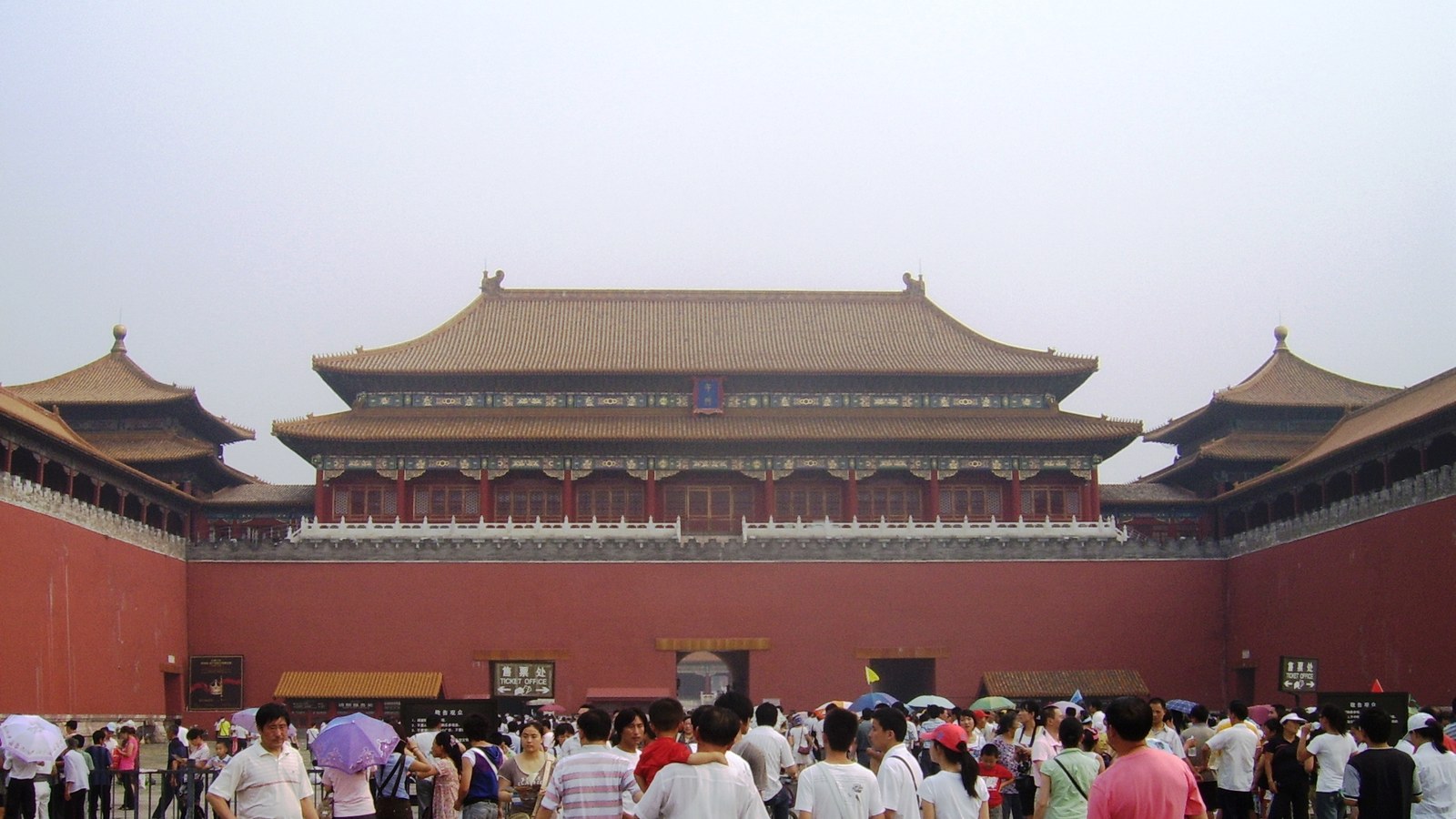
On 27 April 1906, in Peking, Tang Shaoyi and Ernest Mason Satow sign the Convention Between Great Britain and China Respecting Tibet — the Convention of Peking of 1906.
The text follows the 1904 Convention of Lhasa, signed after the British expedition to Tibet, which the Qing refused to ratify as damaging to sovereignty. Calcutta talks in 1905 had failed over the suzerainty-versus-sovereignty dispute.
After the Liberals took office in London (December 1905), Britain accepted a non-interference line. China pays the indemnity owed by Tibet; Britain undertakes not to annex or interfere in Tibetan affairs; China undertakes not to permit any other foreign state to interfere with Tibet’s territory or internal administration.
Ratifiers: the Guangxu Emperor and King Edward VII. British troops withdrew from the Chumbi Valley after indemnity instalments, reduced to one-third of the 1904 amount.
In practice the Qing gained a free hand in Tibet: officers, commerce, finance. Zhang Yintang used the convention to reassert Chinese control and diminish British influence.
The full text is on Wikisource. The convention prepared the ground for Chinese policy in Tibet until the Qing collapse.
The Anglo-Chinese Convention respecting Tibet of 27 April 1906 remains the act that reaffirmed the Chinese presence after Lhasa 1904.
Image: Peking / Tibet; Wikimedia Commons. Cropped to 16:9.
Source consulted: Convention Between Great Britain and China Respecting Tibet. Treaty text: Convention Respecting Tibet (Wikisource).











0 Comments
No comments on this article yet. Be the first!