


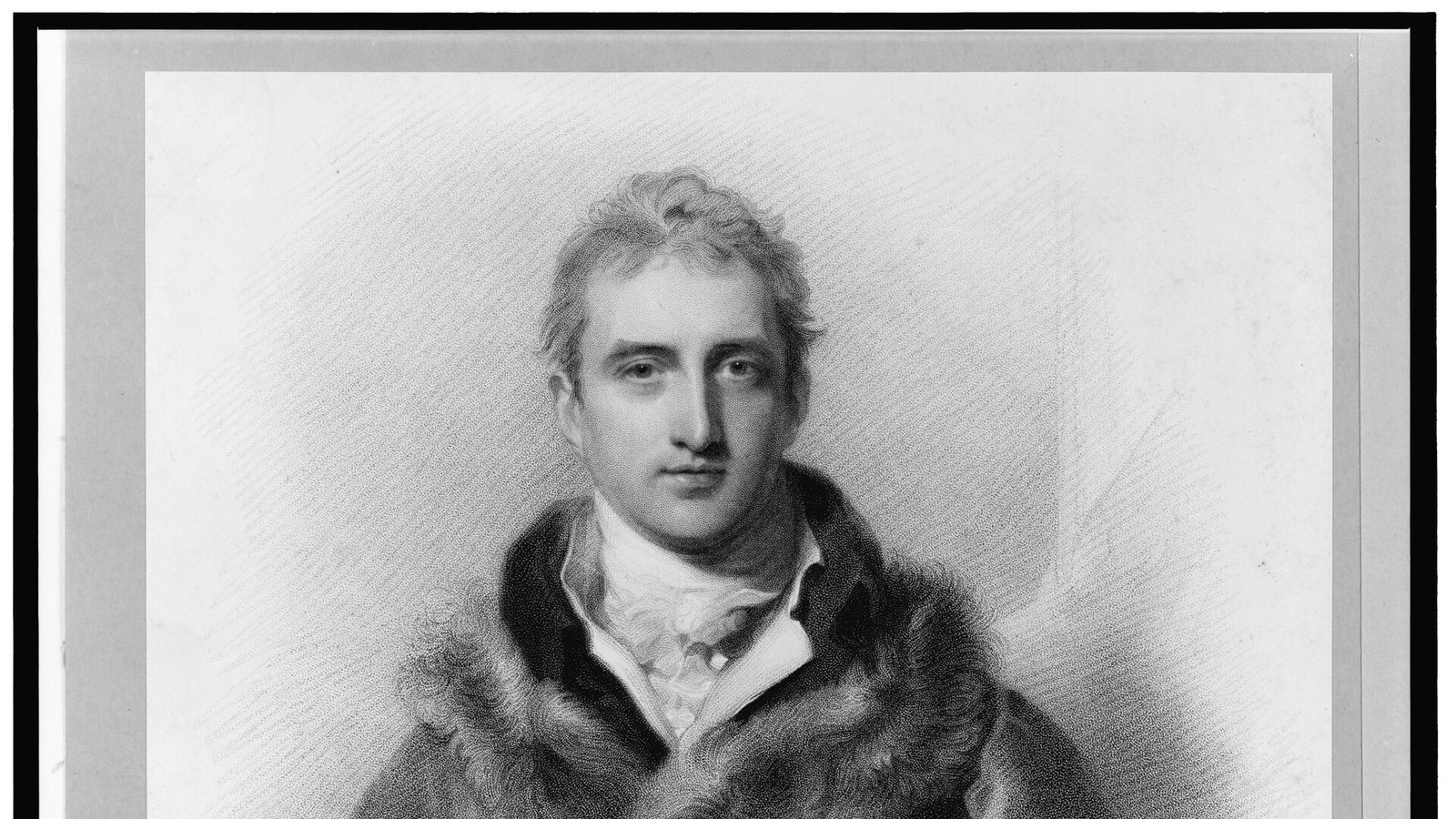
In London, Robert Stewart, Viscount Castlereagh, Secretary of State for Foreign Affairs, and Hendrik Fagel, ambassador extraordinary of the Sovereign Prince of the United Netherlands, sign the convention on the Dutch colonies taken in the Napoleonic war. The instrument is dated 13 August 1814. It is not the Treaty of Paris of 30 May 1814, and it is not the Anglo-Dutch convention of 1824.
The preamble sets the Netherlands, restored under the House of Orange, against the British king’s friendship for that house and for the Dutch nation. The full powers, found in due form, open nine articles plus three additional articles, with the same force as the main text.
Article I restores, within a term still to be fixed, the colonies, factories and establishments Holland possessed on 1 January 1803, in the seas and on the continents of America, Africa and Asia, except the Cape of Good Hope and the settlements of Demerara, Essequibo and Berbice, reserved for a supplementary convention, with reference to Articles 6 and 9 of the peace with France of 30 May. Article II cedes the island of Banca, in the Eastern Seas, in exchange for Cochin and its dependencies on the Malabar coast. Article III hands over the places and forts in the state they are in on the day of signature.
Article IV guarantees to the Sovereign Prince’s subjects, in British India, the facilities of the most favoured nation; in the establishments restored there, the Dutch are not to raise fortifications and may keep only police troops. Article V surrenders the American colonies within three months of ratification, and those beyond the Cape within six months. Article VI buries the dissensions: no one in the countries restored or ceded is to be prosecuted for political opinions or attachment to a government that has ceased, except for debts to individuals or acts after the treaty. Article VII gives inhabitants six years from the exchange of ratifications to sell their property and retire wherever they choose.
Article VIII recalls the Dutch decree of 15 June 1814, which forbids the fitting-out of slave ships in the ports of the Netherlands and at the forts on the Guinea coast, and adds that the Sovereign Prince will prohibit his subjects, by the most solemn laws, from any share in that traffic. Article IX requires ratification in London within three weeks, or sooner if possible.
The first additional article ties the defence of the Belgic provinces, united with Holland, to Article 9 of the Treaty of Paris. Great Britain pays one million pounds sterling to Sweden, advances two million — beside an equal sum from the Sovereign Prince — for the defences of the Low Countries, and bears, equally with Holland, further charges not exceeding three million for the final settlement of the Low Countries under the House of Orange. In return, the Cape, Demerara, Essequibo and Berbice pass in full sovereignty to Britain, with Dutch proprietors free to trade with Europe under a later convention, and with Dutch ships free to refresh at the Cape on the same charges as British subjects.
The second additional article cedes the small district of Bernagore, close to Calcutta, needed for the peace of that city, against an annual payment which commissioners of the two governments will fix from the usual Dutch revenues. The third additional article gives the additional articles the same force as the text signed the same day.
The signatures, with the seals of arms, read “CASTLEREAGH” and “H. FAGEL”. The original is done at London; the ratifications are exchanged there, within the term of Article IX.
Image: Lord Castlereagh, engraving by H. Meyer after Thomas Lawrence, drawn by W. Evans, 1814; public domain, Library of Congress / Wikimedia Commons. Cropped to 16:9.
Source consulted: Anglo-Dutch Treaty of 1814. Treaty text: Convention between Great Britain and the United Netherlands, London, 13 August 1814.











0 Comments
No comments on this article yet. Be the first!