


The truce of July 1921 stopped the Irish War of Independence. De Valera met Lloyd George four times; recognition of the Republic was refused. On 26 August the Dáil raised de Valera to President of the Republic, so that he could accredit plenipotentiaries. London invited them as “chosen spokesmen”, not as diplomats of a sovereign state. De Valera told them to send the cabinet “the full text of the draft treaty about to be signed” and to wait. He did not go to London.
The Articles of Agreement for a Treaty Between Great Britain and Ireland were signed on 6 December 1921, shortly after 2 a.m., in the Cabinet Room at 10 Downing Street. The Irish decision had been taken the day before, at 22 Hans Place, at 11:15. For the British the signatories were Lloyd George, Austen Chamberlain, Birkenhead, Winston Churchill, Laming Worthington-Evans, Hamar Greenwood and Gordon Hewart; for the Irish, Arthur Griffith (Art Ó Griobhtha), Michael Collins (Micheál Ó Coileáin), Robert Barton, Eamonn Duggan and George Gavan Duffy. At the last minute Lloyd George threatened “terrible and immediate war” if they did not sign at once. Barton and Gavan Duffy noted that the alternative was the resumption of war within three hours, without consulting the Dáil.
Article 1 gives Ireland the constitutional status of Canada, Australia, New Zealand and the Union of South Africa, with a Parliament and an Executive responsible to it, styled the Irish Free State. Article 2 aligns the relation with the Crown and the Imperial Parliament to Canadian usage. Article 4 is the oath: true faith and allegiance to the Constitution of the Irish Free State and to be faithful to King George V, “in virtue of the common citizenship”. Article 5 takes a fair share of the United Kingdom’s public debt and war pensions. Articles 6–7 leave sea defence to the Imperial Forces until a conference after five years and reserve, in peacetime, the ports in the Annex — Berehaven, Queenstown, Belfast Lough, Lough Swilly — plus oil fuel storage at Haulbowline and Rathmullen.
Articles 11–12 freeze the Free State’s powers over Northern Ireland for a month from the British Act of ratification; if both Houses in Belfast present an address to the King, the North opts out, and a commission of three (Dublin, Belfast, a British chairman) draws the boundary “in accordance with the wishes of the inhabitants, so far as may be compatible with economic and geographic conditions”. Article 16 forbids the endowment of any religion. Article 17 requires a provisional government from members elected in 1921 for Southern Ireland, who must accept the instrument in writing, for not more than twelve months. Article 18 sends the text to the British Parliament and to a “meeting” of members elected to sit in the House of Commons of Southern Ireland.
The Dublin cabinet recommended the treaty by 4 votes to 3 on 14 December. The Dáil approved it on 7 January 1922, 64 to 57, after nine days of public debate; only nine of 338 transcript pages touched partition. De Valera resigned on 9 January; Griffith replaced him, 60 to 58. On 14 January the “meeting” required by Article 18 voted, without the anti-treaty TDs, and nominated Collins chairman of the provisional government. The constitution became law on 6 December 1922. Belfast exercised the opt-out; the Boundary Commission sat without a Northern Ireland nominee.
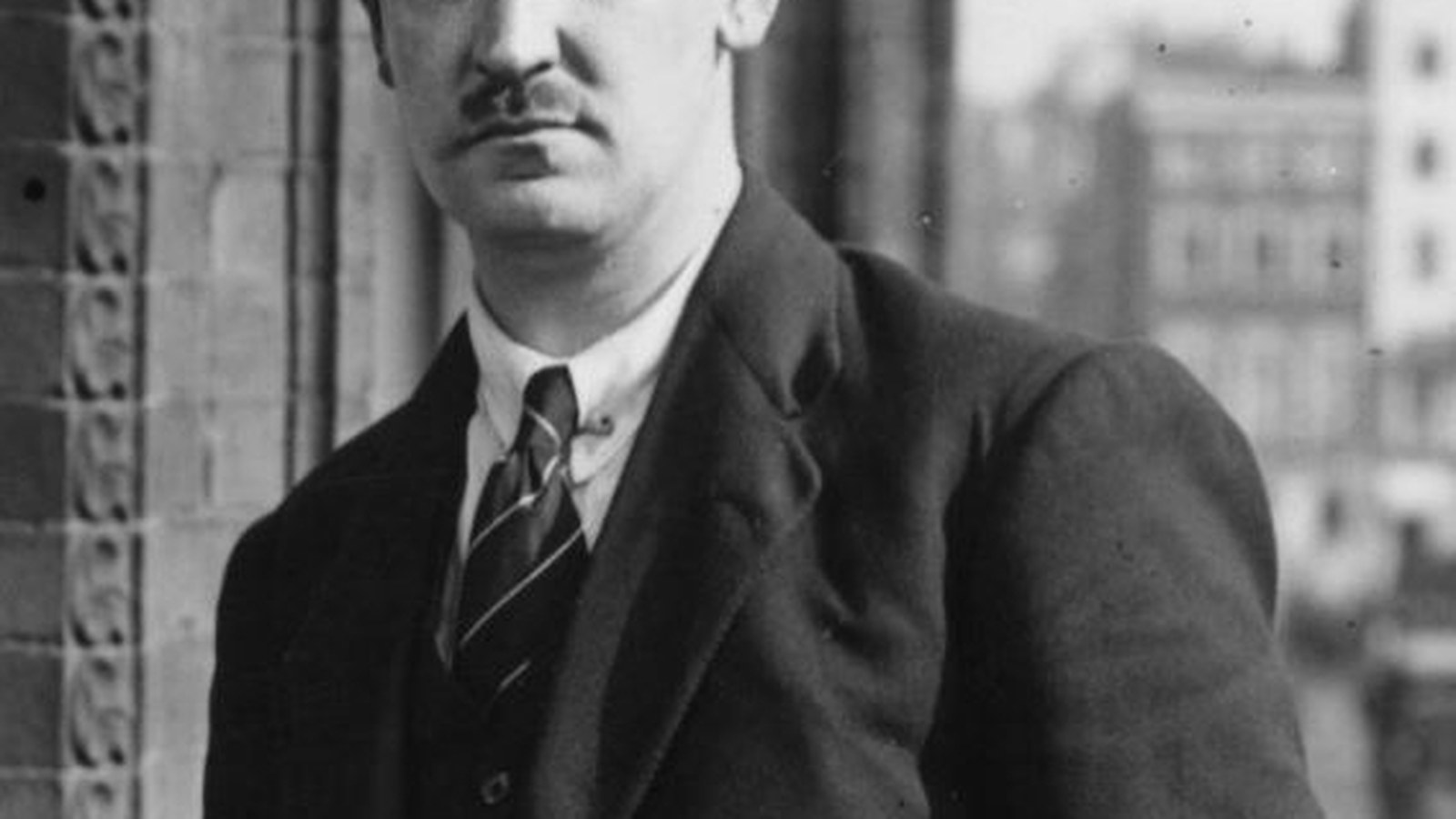
The split over the oath and dominion status, not over a 32-county republic, opened the Irish Civil War, won by the pro-treaty side. Collins, photographed in 1921 by the Meurisse agency, signed an instrument which, he later said, gave the freedom to achieve freedom.
Sources: Anglo-Irish Treaty; Documents on Irish Foreign Policy, Articles of Agreement, 6 December 1921.











0 Comments
No comments on this article yet. Be the first!