


Prince Devawongse Varoprakar, Siamese minister for foreign affairs, and Ralph Paget, British envoy extraordinary and minister plenipotentiary, signed at Bangkok, on 10 March 1909, the Treaty between the United Kingdom and Siam. Two copies, English authentic. Treaty Series No. 19 (1909). Ratifications were exchanged in London on 9 July 1909. Wikipedia also calls it the Bangkok Treaty of 1909. King Chulalongkorn does not sign: the plenipotentiaries do so for the sovereigns.
Article I: the Siamese government transfers to the British government all rights of suzerainty, protection, administration and control over the states of Kelantan, Tringganu (Terengganu), Kedah, Perlis and adjacent islands. The frontiers are those of the annexed Boundary Protocol. Article II: the transfer takes place within thirty days after ratification. This is not a colonial-occupation handbook.
Article III: a mixed Siamese–British commission is appointed within six months after ratification and delimits the new frontier when the season permits. Subjects of the King of Siam in the Article I territories who wish to keep Siamese nationality may do so within six months if they become domiciled in the Siamese dominions; they remain free to retain immovable property. Concessions recognised by Siam as still in force at signature are recognised by the British government.
Article IV: the government of the Federated Malay States assumes the indebtedness of the Article I territories to Siam. Article V: the jurisdiction of the Siamese International Courts, established by Article 8 of the treaty of 3 September 1883, is extended, under the Jurisdiction Protocol, to all British subjects registered at the consulates before this treaty. That system ends after promulgation and entry into force of the Siamese codes (penal, civil and commercial, procedure, organisation of courts); other British subjects fall from the outset under the ordinary Siamese courts. This is not an extraterritoriality handbook.
Article VI: British subjects enjoy throughout Siam the rights of natives, notably property, residence and travel; taxes no higher than those on Siamese subjects; the 20 September 1900 land-tax cap (the Lower Burma comparison) is removed; they are exempt from military service and forced loans. Article VII: other Anglo-Siamese treaties, unmodified, remain in force. Article VIII: ratification within four months of its date. English is the authentic language; FRUS misnumbers the ratification article as IX.
The Boundary Protocol traces, at the level of principle, the main watershed and the Golok thalweg to Kuala Tabar; the Patani and Telubin valleys remain Siamese; Langkawi becomes British, Terutao remains Siamese. This is not a coordinate gazetteer. Notes of the same day give an assurance that Siam will not cede or lease, south of Monthon Rajaburi, territory to a foreign power. The four states became Unfederated Malay States, later part of the Federation of Malaya; in the Second World War they were briefly back under Thai control, then restored.
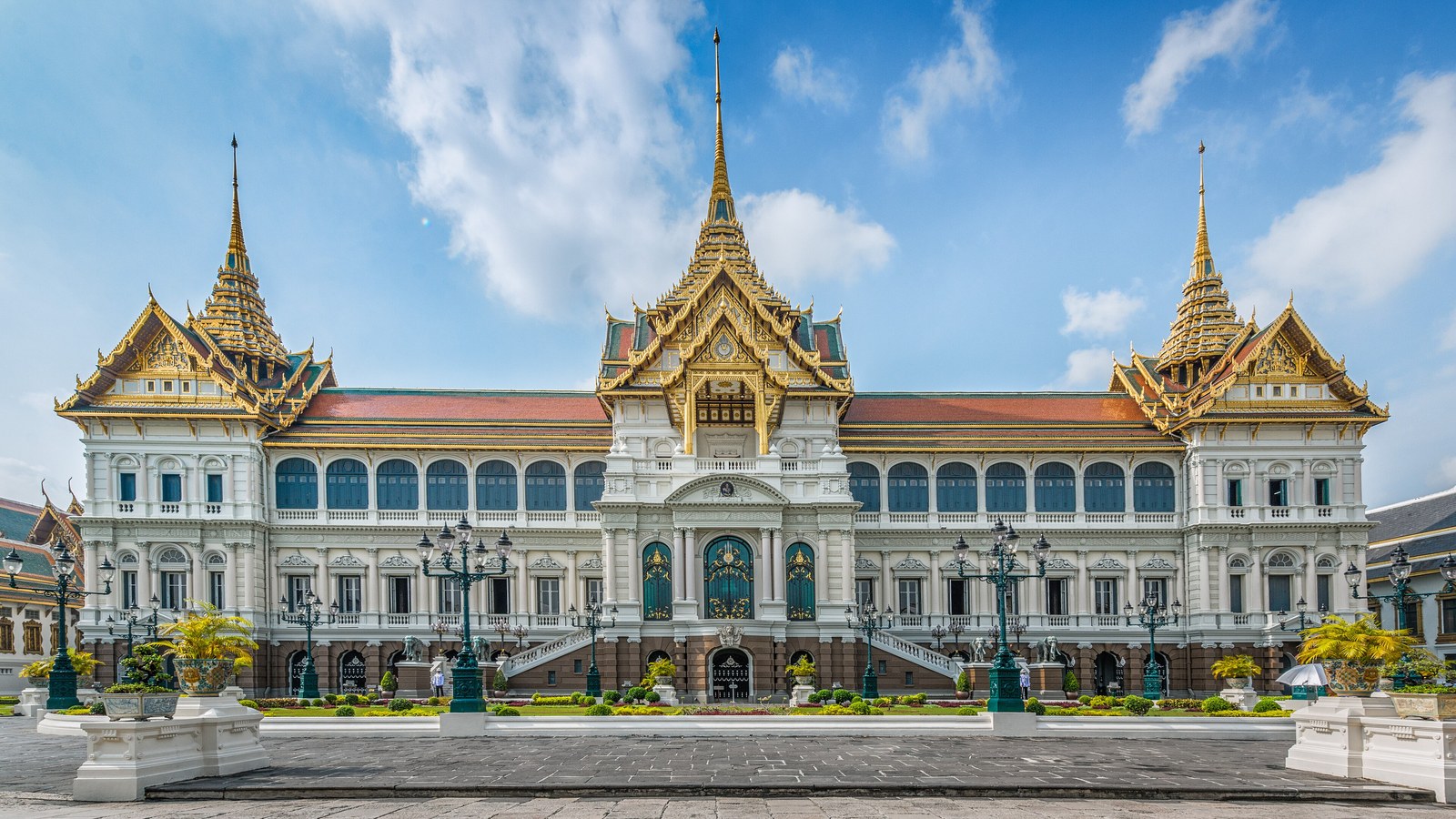
Cover: the Grand Palace in Bangkok, the Siamese royal residence in the capital of signature, not the plenipotentiaries' table. Wikimedia Commons, free licence.
Sources consulted: Anglo-Siamese Treaty of 1909; Treaty between the United Kingdom and Siam.











0 Comments
No comments on this article yet. Be the first!