


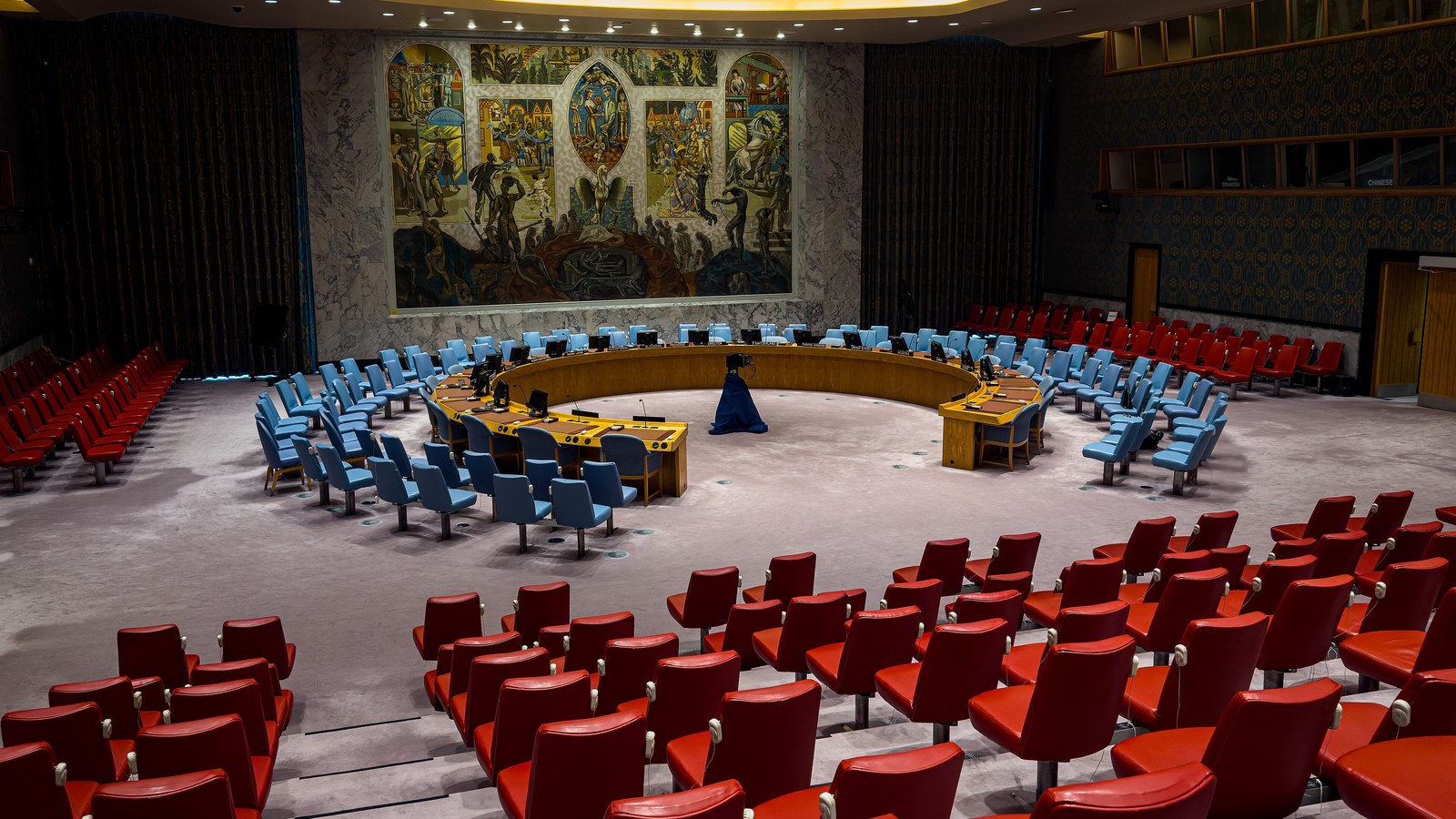
At United Nations Headquarters in New York, on 22 December 1988, the People's Republic of Angola, the Republic of Cuba and the Republic of South Africa sign the Agreement among the three States, known as the Tripartite Accord. The text, signed by foreign ministers Afonso Van Dunem M'Binda, Isidoro Malmierca Peoli and Roelof F. Botha, has eight articles, in triplicate in the Portuguese, Spanish and English languages, each language being equally authentic.
The Parties take into account the Principles for a Peaceful Settlement in Southwestern Africa, approved by them on 20 July 1988, their acceptance of the implementation of Security Council resolution 435 (1978), the conclusion of the bilateral agreement between Angola and Cuba providing for the redeployment toward the North and the staged and total withdrawal of Cuban troops from Angolan territory, and the role of the Security Council. They affirm the sovereignty, sovereign equality and independence of all States of southwestern Africa, the principle of non-interference in internal affairs, abstention from the threat or use of force against the territorial integrity or political independence of States, the right of the peoples of the region to self-determination, independence and equality of rights, and their appreciation for the mediating role of the Government of the United States of America.
Article 1 provides that the Parties shall immediately request the Secretary-General of the United Nations to seek authority from the Security Council to commence implementation of resolution 435 (1978) on 1 April 1989. Article 2 requires that all military forces of the Republic of South Africa shall depart Namibia in accordance with that resolution.
Article 3, consistent with resolution 435 (1978), obliges South Africa and Angola to co-operate with the Secretary-General to ensure the independence of Namibia through free and fair elections and to abstain from any action that could prevent the execution of the resolution. The Parties shall respect the territorial integrity and inviolability of borders of Namibia and shall ensure that their territories are not used by any State, organization or person in connection with acts of war, aggression or violence against the territorial integrity or inviolability of borders of Namibia or any other action which could prevent the execution of the resolution.
Article 4 requires Angola and Cuba to implement the bilateral agreement, signed on the date of signature of this agreement, providing for the redeployment toward the North and the staged and total withdrawal of Cuban troops from the territory of the People's Republic of Angola, and the arrangements made with the Security Council for the on-site verification of that withdrawal.
Article 5, consistent with their obligations under the Charter of the United Nations, requires the Parties to refrain from the threat or use of force and to ensure that their respective territories are not used by any State, organization or person in connection with any acts of war, aggression or violence against the territorial integrity, inviolability of borders or independence of any State of southwestern Africa. Article 6 requires respect for the principle of non-interference in the internal affairs of the States of southwestern Africa.
Article 7 obliges the Parties to comply in good faith with all obligations undertaken in this agreement and to resolve through negotiation and in a spirit of co-operation any disputes with respect to the interpretation or implementation thereof. Article 8 provides that this agreement shall enter into force upon signature. The text is not the Brazzaville Protocol of 13 December 1988 and is not, as a stand-alone instrument, the bilateral Angola-Cuba agreement on the withdrawal of Cuban troops.
Image: Security Council chamber, United Nations Headquarters, New York; Jdforrester, 6 September 2024; CC BY 4.0, Wikimedia Commons. Cropped to 16:9.
Source consulted: Tripartite Accord (1988). Treaty text: Agreement among Angola, Cuba and South Africa, New York, 22 December 1988.











0 Comments
No comments on this article yet. Be the first!