


On 1 December 1959, in Washington, twelve States signed the Antarctic Treaty: Argentina, Australia, Belgium, Chile, the French Republic, Japan, New Zealand, Norway, the Union of South Africa, the Union of Soviet Socialist Republics, the United Kingdom of Great Britain and Northern Ireland, and the United States of America. English, French, Russian and Spanish, equally authentic. Depositary: the Government of the United States of America. Article XIII: it enters into force upon deposit of instruments of ratification by all the signatory States. Entry into force: 23 June 1961. Registration with the United Nations under Article 102 by the United States on 4 August 1961 (UNTS I-5778). It is not the 1991 Madrid Protocol on Environmental Protection.
The preamble: Antarctica shall continue forever to be used exclusively for peaceful purposes and shall not become the scene or object of international discord. Scientific cooperation as applied during the International Geophysical Year. The Charter of the United Nations. Article I: peaceful purposes only; prohibited, inter alia, military bases and fortifications, military manoeuvres, and the testing of any type of weapons. Military personnel or equipment may be used for scientific research or any other peaceful purpose. Article II: freedom of scientific investigation, as during the International Geophysical Year. Article III: exchange of plans, personnel and results; working relations with UN specialized agencies.
Article IV: nothing shall be interpreted as a renunciation of previously asserted rights of or claims to territorial sovereignty, or as prejudicing recognition or non-recognition of any other State’s claim. No acts while the Treaty is in force shall constitute a basis for asserting, supporting or denying a claim, or create rights of sovereignty. No new claim, or enlargement of an existing claim, shall be asserted while the Treaty is in force. Article V: nuclear explosions and the disposal of radioactive waste material are prohibited. Article VI: the area south of 60° South Latitude, including all ice shelves; rights with regard to the high seas within that area are unaffected.
Article VII: designated observers with complete freedom of access, including stations, ships and aircraft at points of discharging or embarking cargoes or personnel, and aerial observation; notice of expeditions, stations and military personnel. Article IX: a first meeting at Canberra within two months of entry into force; recommended measures, including preservation and conservation of living resources, become effective when approved by all the Contracting Parties entitled to participate. Acceding States may join those meetings while they demonstrate interest by substantial scientific research activity, such as a station or an expedition. Article XI: peaceful means, then the International Court of Justice with the consent of all parties to the dispute. Article XII: amendment by unanimous agreement of the consultative parties; after thirty years from entry into force, a review conference at the request of any of them.
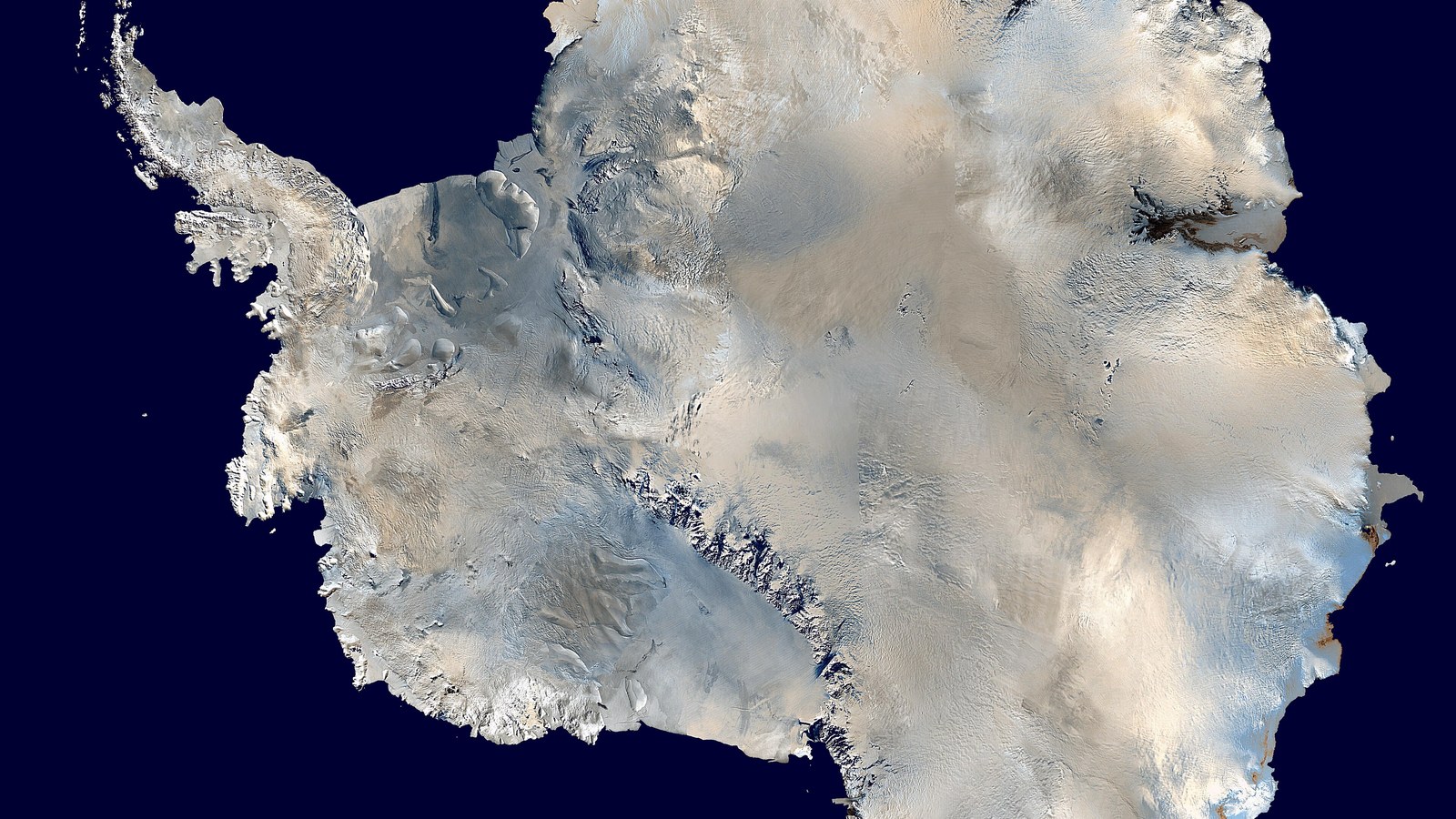
Antarctica, NASA Blue Marble composite. The continent regulated by the Treaty, not the signing hall. Wikimedia Commons, public domain.
For context: Antarctic Treaty System. The text: UNTS, The Antarctic Treaty.











0 Comments
No comments on this article yet. Be the first!