


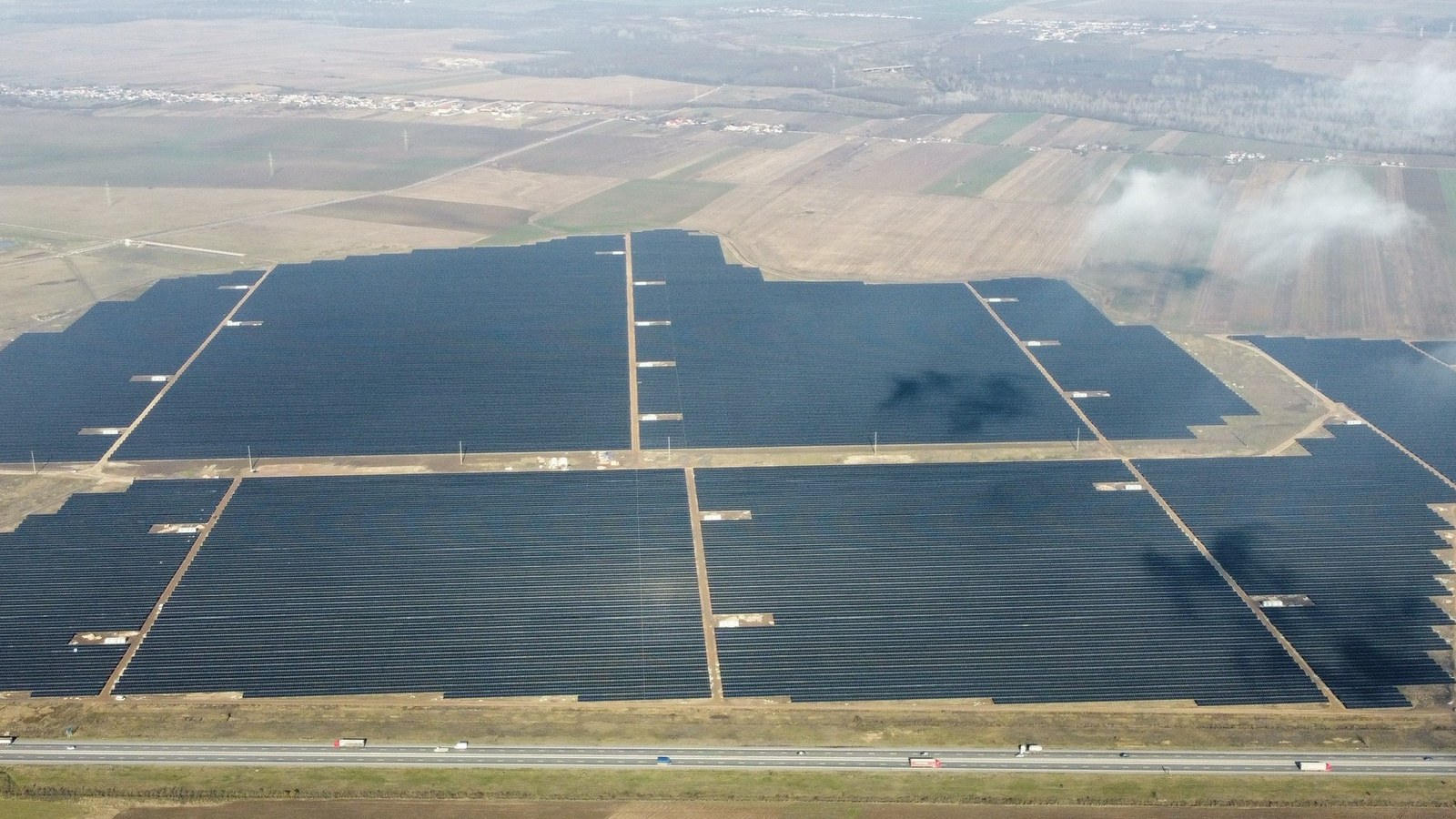
Romania’s Association of Prosumers and Energy Communities (APCE) is advising solar-panel owners to store surplus power in batteries for self-use instead of automatically feeding it into the grid at prices it calls too low. The message comes amid an energy alert and elevated spot prices.
In August, during a drought-driven crunch, storage batteries delivered about 630 MW to the national system in a single evening — close to the 680 MW reactor 2 at Cernavodă produced before it shut down. Much of that came from prosumers who answered a call to send daytime-stored electricity into the grid at evening peak hours.
The strain has not gone away: Cernavodă remains offline into November, and the alert was extended because of low Danube flow. Authorities still warn of supply risk at peak demand. Against that backdrop, APCE says every kWh stored and used at home is a kWh you do not buy back from a supplier with network fees, taxes and margin.
Association president Dan Pîrșan argues suppliers buy heavily on the day-ahead market (about 30–35% of delivered power, citing OPCOM figures) instead of locking in longer contracts, so when the market is turbulent — reactors offline, weak hydro and wind — the bill lands on consumers. Bucharest spot prices recently climbed above €300/MWh, among the highest in the EU.
Even as retail power got dearer, APCE complains buyback offers for prosumer surplus sit in the tens of bani per kWh (examples cited: 11–22 bani) and, previously, long settlement delays. Pîrșan urges storing daytime excess for evening use rather than selling “for almost nothing” and buying back expensive. APCE says more than 200,000 of roughly 400,000 prosumers already have batteries.
SpotMedia sought comment from the Energy Ministry and ANRE; none had arrived by the time the source article ran. APCE’s advice is an association stance, not a new legal duty to install batteries.
Source: Prosumers: injected at peak, now told to keep power in batteries (Spotmedia)






0 Comments
No comments on this article yet. Be the first!