


The Instrument of Surrender of Italy, later styled Additional Conditions of Armistice with Italy, was signed at Malta on 29 September 1943, aboard the British battleship HMS Nelson, by Marshal Pietro Badoglio, Head of the Italian Government, and General Dwight D. Eisenhower, Commander-in-Chief, Allied Forces. The English and Italian texts; English is authentic, and in case of dispute the Control Commission decides. It entered into force at once. It is not the Armistice of Cassibile of 3 September, whose military terms remain valid and which it supplements, nor the peace treaty of 10 February 1947, which replaced it.
The preamble recalls that, besides the military terms of September, Italy had bound itself to comply with political, economic and financial conditions to be transmitted later. Article 1: the land, sea and air forces, wherever located, surrender; Italian participation in the war ceases; there is to be no opposition to United Nations operations; destruction of property is to stop. Articles 2 to 6: information on disposition, law and order, withdrawal from notified areas, demobilisation according to establishments notified. The clauses remain a framework; they are not an occupation itinerary or a fleet-internment regulation.
Articles 7 to 17 cover the assembly of warships in indicated ports, the grounding of aircraft, merchant shipping, a ban on destroying installations, manufacture of war material only as directed by the United Nations, and the right to use territorial waters and air space. Articles 18 to 21: occupation of notified parts of territory, with the rights of an occupying power there, access to airfields and naval ports, and transit facilities in non-occupied territory. Article 29: Mussolini, his principal Fascist associates and persons suspected of war crimes, on lists to be communicated, are to be apprehended and handed over. Article 30: Fascist organisations, including the militia and OVRA, are to be dissolved. Article 31: laws discriminating on grounds of race, faith or political opinion are to be repealed, and persons detained on those grounds released.
Article 33: restitution, deliveries, services or payments by way of reparation and occupation costs, as the United Nations may prescribe. Article 34: such disarmament, demobilisation and demilitarisation as may be prescribed. Article 37: a Control Commission of the United Nations. Article 41: “Italian Territory” includes colonies and dependencies and, without prejudice to sovereignty, Albania, except where already occupied. Article 43: the instrument remains in operation until other arrangements or the peace treaty. Article 44: denunciation by the United Nations, with immediate effect, if the obligations are not fulfilled. A letter from Eisenhower, the same day, recognised that some clauses had already been overtaken by Italian co-operation. A protocol at Brindisi on 9 November changed the title and added the Soviet Government to the preamble.
The text consulted is the Instrument of Surrender of Italy, reproduced by Avalon from Bevans. The long armistice supplements the short one; it is not an operational occupation guide.
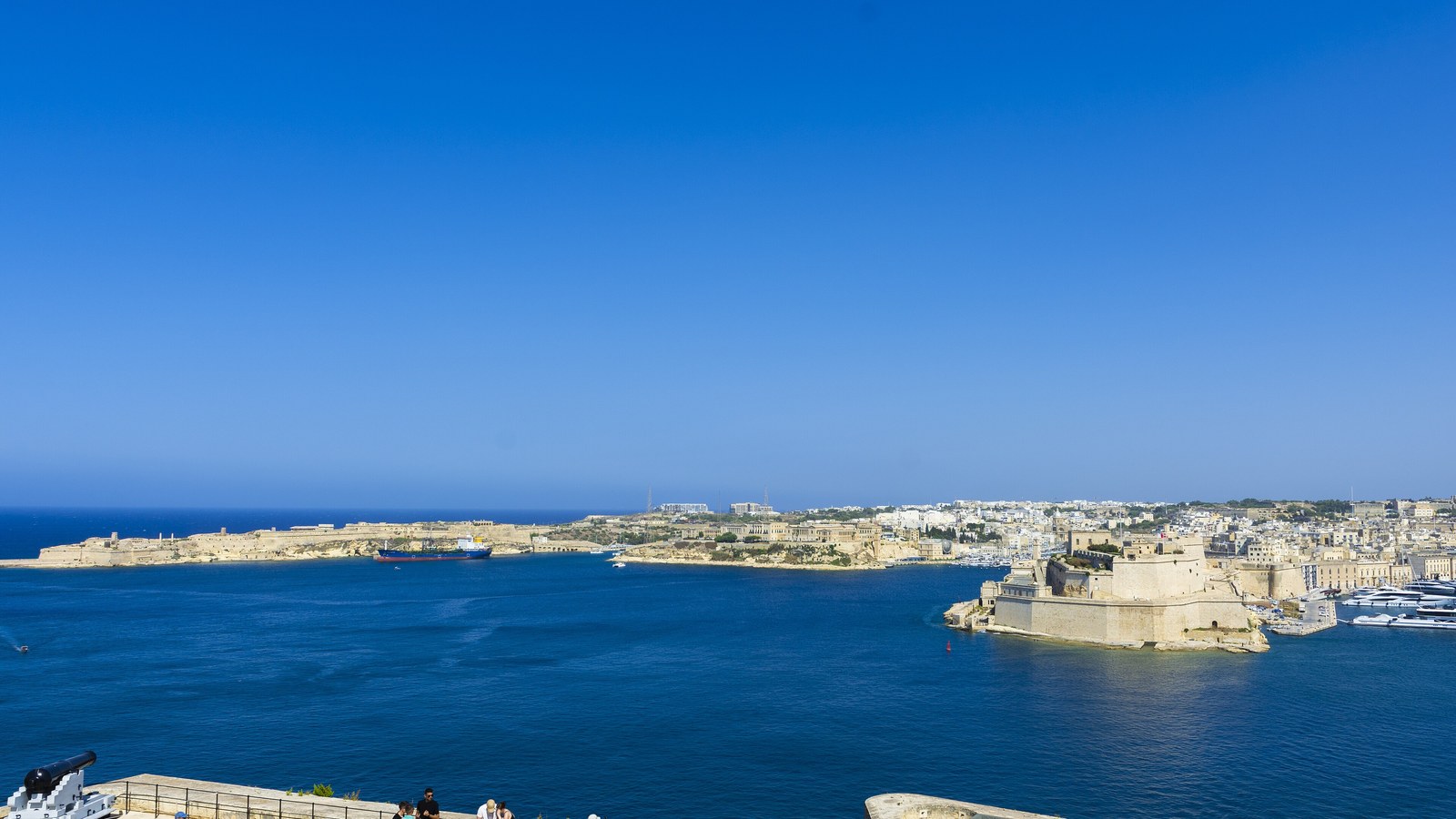
Cover: Grand Harbour, Valletta, the waters in which the instrument was signed aboard HMS Nelson; we do not claim the ship. Wikimedia Commons, free licence.
Sources consulted: Armistice of Malta; Armistice with Italy: Instrument of Surrender (Avalon).











0 Comments
No comments on this article yet. Be the first!