


In the camp before Quebec, the King’s Lieutenant Jean-Baptiste Nicolas Roch de Ramezay, Admiral Charles Saunders and General George Townshend sign the articles of capitulation of the high and low towns. The date of the instrument is 18 September 1759. It is not the battle on the Plains of Abraham, of 13 September, and it is not the capitulation of Montreal, of 8 September 1760.
Wolfe had fallen on the 13th, Montcalm the next day. Ramezay, a knight of the Order of Saint Louis, commands the garrison. Townshend has taken command of the army ashore; Saunders, of the fleet. James Murray posts, the same day, three companies of grenadiers at the gates.
Article 1: Ramezay demands the honours of war and the return of the garrison to the army, with six brass cannon, two mortars or howitzers and twelve rounds for each. The British grant the march with arms, baggage, drums beating, matches lighted, two French cannon and twelve rounds; embarkation for the first port in France, not for Vaudreuil’s army.
Article 2: the inhabitants keep their houses, goods and privileges, upon laying down their arms. Article 3: they are not accountable for having carried arms in defence of the town, as militia. Article 4: the effects of absent officers and citizens are not to be touched. Article 5: no one is obliged to quit his house until the inhabitants’ condition is settled by the two crowns.
Article 6: the free exercise of the Catholic, Apostolic and Roman religion, with safeguards for the clergy, monasteries and the Bishop of Quebec, until the possession of Canada is decided by treaty. Article 7: artillery and warlike stores are given up, with an inventory. Article 8: the sick and wounded, according to the cartel of 6 February 1759. Article 9: soldiers as safeguards on the churches, convents and principal habitations, before the gate is delivered.
Article 10: the King’s Lieutenant may inform the Marquis de Vaudreuil, governor general, and the French ministry. Article 11: the capitulation is executed according to its form and tenor, without non-execution under pretence of reprisals. The duplicates, at the camp before Quebec, bear the names Saunders, Townshend and de Ramsay.
On 20 September the garrison surrenders its arms and embarks. On 28 April 1760, Lévis wins at Sainte-Foy but does not retake the town. The Peace of Paris, of 1763, is not this instrument: the articles of 18 September settle only the fate of the town, until a treaty.
It is not Abraham and it is not Montreal. The signatures in camp are Ramezay’s, Saunders’s and Townshend’s, on eleven articles in which the honours of war are granted, but the road is to France.
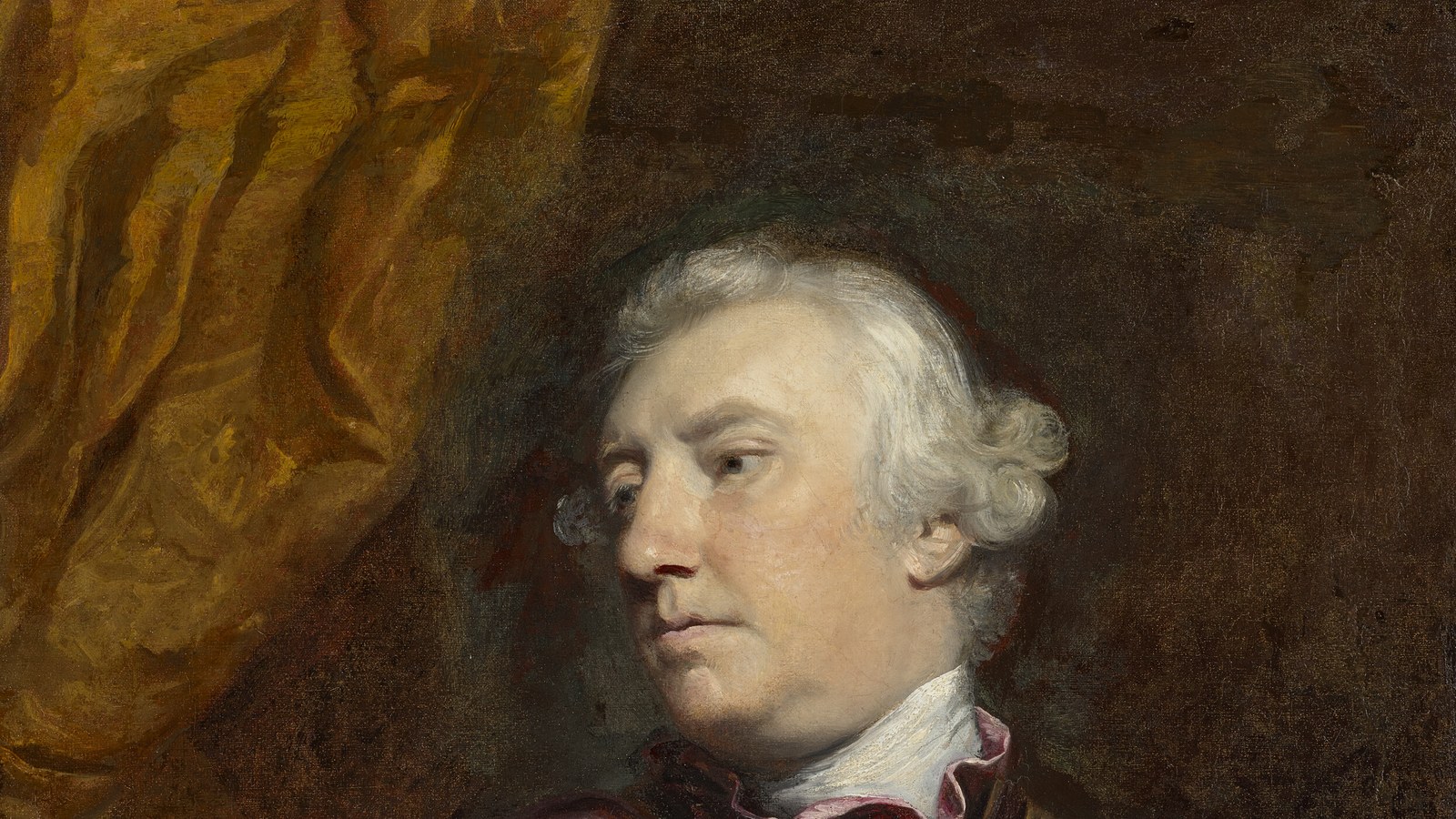
Image: George Townshend, 1st Marquess Townshend; Joshua Reynolds, 1767; public domain, Wikimedia Commons. Cropped to 16:9.
Source consulted: Articles of Capitulation of Quebec. Treaty text: Articles of Capitulation, 18 September 1759 (Desbarats, Quebec, 1824).











0 Comments
No comments on this article yet. Be the first!