


The Agreement on the Conservation of Small Cetaceans of the Baltic and North Seas was opened for signature at United Nations Headquarters in New York, on 17 March 1992. The text had been approved at the third Conference of the Parties to CMS, in Geneva, on 13 September 1991, under Article IV(4) of the Bonn Convention. Four equally authentic languages: English, French, German and Russian. Depositary: the Secretary-General of the United Nations. UNTS No. 30865. It is not a non-binding CMS-style memorandum of understanding.
Article 1: it applies to all small cetaceans in the agreement area — toothed whales, except the sperm whale. The original area is the Baltic and North Seas, with the limits in the text, including the Kattegat, the Sound and the Belts, excluding the waters between Cape Wrath and St Anthony Head. The 2003 amendment, in force from 3 February 2008, extended the area and changed the title; it is not part of the 1992 text. This is not a coordinate gazetteer.
Article 2: the Parties cooperate for a favourable conservation status; they apply the Annex; they designate a Coordinating Authority; a Secretariat and Advisory Committee; an annual report by 31 March; stricter measures remain allowed. The Annex, at the level of principle: prevent harmful substances, reduce by-catches, regulate activities affecting food, prevent acoustic disturbance; research without killing animals; prohibit intentional taking and release those caught alive. This is not a fishing handbook.
Articles 3–5: the national authority, a Secretariat attached to a public institution or international body, an Advisory Committee with one member per Party. Article 6: a Meeting of the Parties within the first year, then at least once every three years; decisions by simple majority, financial and amendment decisions by three-quarters; the EEC votes with the number of its member States that are Parties. Article 7: the budget on the UN scale, a 25 per cent cap per Party; regional integration organisations 2.5 per cent of administrative costs.
Article 8: an agreement within the meaning of CMS Article IV(4); it does not affect other treaties. Open for signature in New York until 31 March 1992, then until entry into force; consent by definitive signature or ratification. It enters into force 90 days after six Range States — 29 March 1994. No general reservations; a species-specific reservation is allowed. Denunciation on one year’s notice. Sweden signed definitively on 31 March 1992; Germany, the Netherlands, Belgium, Denmark and the United Kingdom followed.
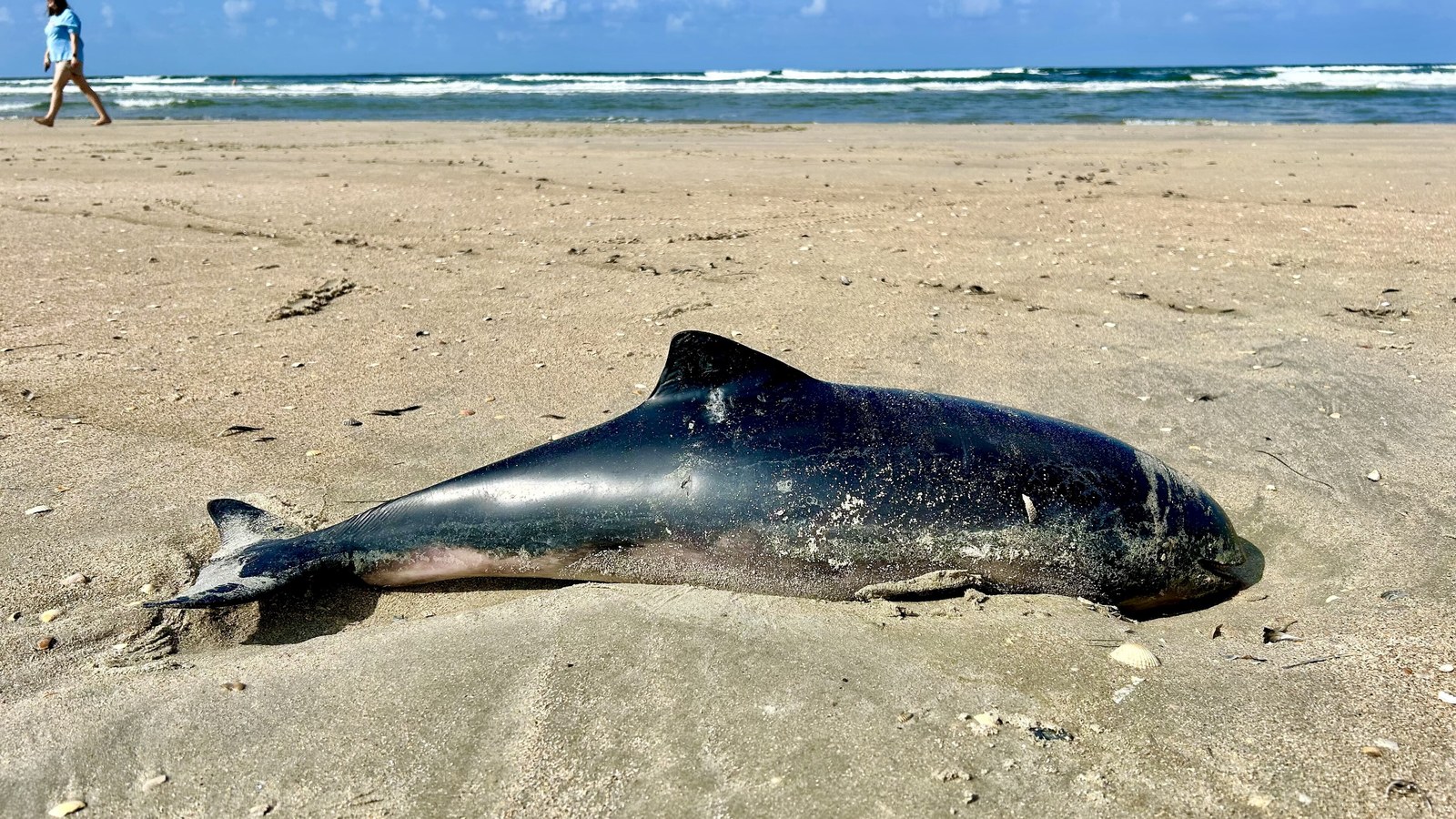
Cover: a harbour porpoise (Phocoena phocoena) at Rømø, Denmark, the agreement’s flagship species, not the UN hall. Wikimedia Commons, free licence.
Sources consulted: Agreement on the Conservation of Small Cetaceans of the Baltic, North East Atlantic, Irish and North Seas; Agreement on the conservation of small cetaceans of the Baltic and North Seas.











0 Comments
No comments on this article yet. Be the first!