


On 2 November 2005, at Beijing, the duly authorized representatives of Bangladesh, China, India, the Lao People’s Democratic Republic, the Republic of Korea and Sri Lanka signed the Amendment to the First Agreement on Trade Negotiations among Developing Member Countries of the Economic and Social Commission for Asia and the Pacific (Bangkok Agreement). Article 40 renames the instrument the Asia-Pacific Trade Agreement. One original copy, in English. Depositary: the Executive Secretary of ESCAP. It is not the original 1975 agreement, not the second amendment of 13 January 2017, and not AFTA, SAFTA or RCEP.
The six governments named in the preamble are the day’s parties. Article 1 keeps as “Original Participating States” Bangladesh, India, Laos, Korea and Sri Lanka; China is a party to the amendment, not on that original list. Mongolia is not a signatory here. The secretariat remains, in practice, ESCAP’s Trade and Investment Division.
Article 2: economic development through a continuous process of trade expansion among ESCAP’s developing members, and mutually beneficial trade-liberalization measures. Article 3: overall reciprocity and mutuality of advantages; transparency, national treatment and most-favoured-nation treatment among Participating States; clear recognition of the special needs of least-developed Participating States and concrete preferential measures. Article 4: arrangements on tariffs, border charges and fees, and non-tariff measures; negotiations product-by-product, across-the-board or sectoral, based on current MFN rates.
Article 23 establishes a Ministerial Council — one minister from the relevant economic ministry of each Participating State — meeting at least once every two years. The Council’s first session is the same day, also in Beijing. Article 22: a Standing Committee, at least once a year. Article 24: consensus is the preferred practice; rules of procedure, if needed, by a two-thirds majority with at least two thirds of the Participating States present.
Article 30: after entry into force, the Agreement is open for accession by any developing member country of ESCAP, on terms consistent with the Agreement. Article 32: withdrawal takes effect six months after written notice through the Executive Secretary. Article 36: non-application between States that have not entered into direct negotiations, if either withholds consent. Article 37: no reservations, save article 36. Article 39: registration under Article 102 of the Charter of the United Nations.
WIPO Lex dates the text 2 November 2005 and entry into force 1 September 2006. ESCAP records that the Third Round tariff concessions entered into force on the same date. This is not the later Fourth Round. The number of tariff lines conceded is not invented here.
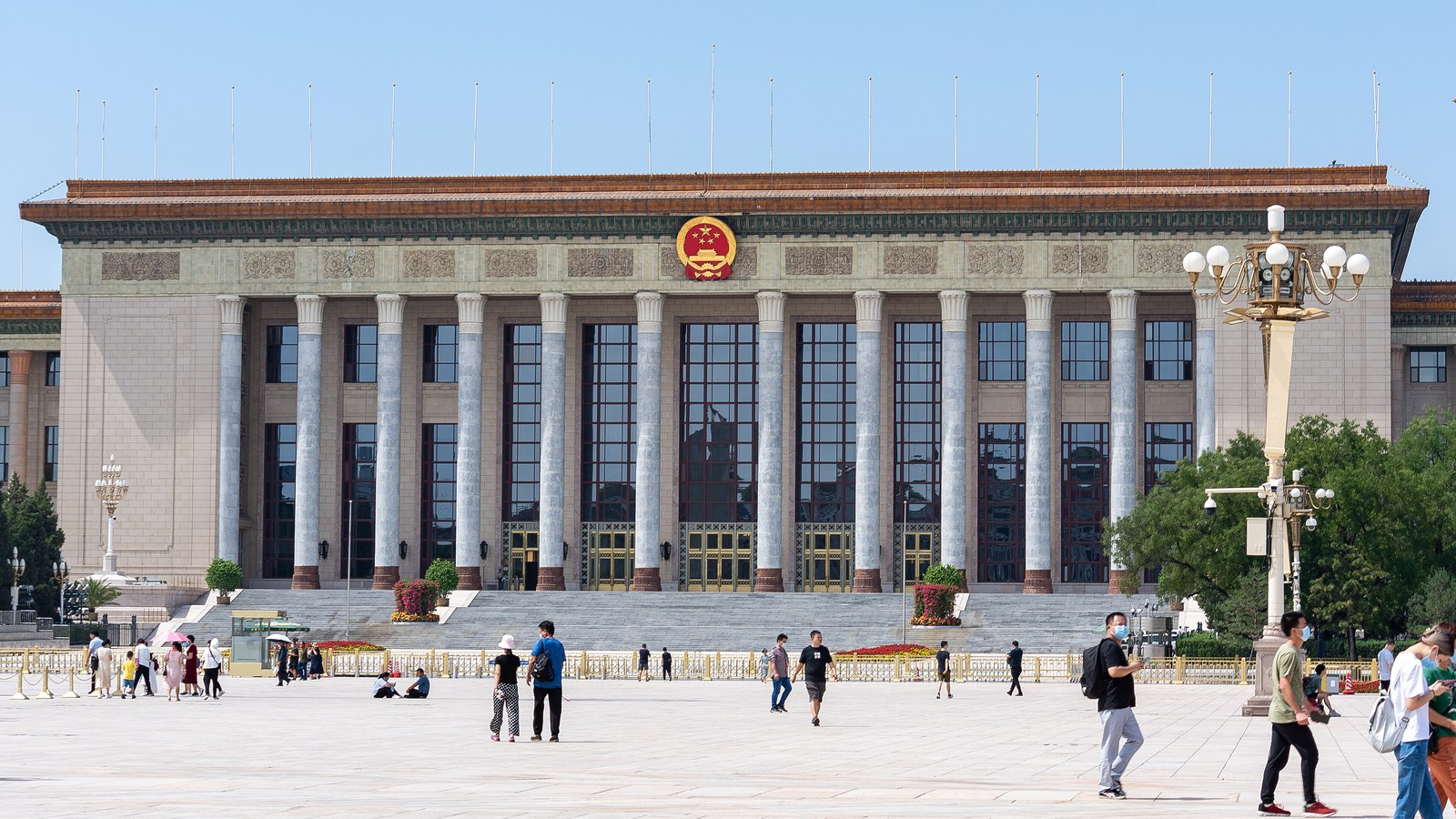
Great Hall of the People, Beijing. A capital protocol landmark, not the confirmed hall of the Ministerial Council. Wikimedia Commons, CC BY-SA 4.0.
For context: Asia-Pacific Trade Agreement. The text: Amendment to the Bangkok Agreement.








0 Comments
No comments on this article yet. Be the first!