


On 15 August 1985, Independence Day, in New Delhi, the Government of India, the Government of Assam, the All Assam Students Union and the All Assam Gana Sangram Parishad signed the Memorandum of Settlement on the foreigners issue, known as the Assam Accord. The signatories were Prafulla Kumar Mahanta, AASU president; Bhrigu Kumar Phukan, AASU general secretary; Biraj Sharma, AAGSP convenor; R. D. Pradhan, Union home secretary; P. P. Trivedi, chief secretary of Assam. Rajiv Gandhi, prime minister, was present. The movement, opened in 1979, had demanded identification and expulsion of illegal immigrants, mainly from Bangladesh. Talks had begun from the AASU memorandum to Indira Gandhi of 2 February 1980; formal rounds resumed in March.
Clause 5.1: the base date for detection and deletion is 1 January 1966. 5.2: all who entered before that date, including those on the 1967 electoral rolls, are regularised. 5.3–5.6: foreigners who entered from 1 January 1966 inclusive to 24 March 1971 are detected under the Foreigners Act 1946 and the Foreigners (Tribunals) Order 1964; their names come off the rolls, they register under the Registration of Foreigners Act 1939, and ten years after detection the names are restored. 5.7: those earlier expelled who have re-entered illegally are expelled again. 5.8: those who entered on or after 25 March 1971 continue to be detected, deleted and expelled, with immediate practical steps. 5.9: the government will consider AASU/AAGSP difficulties with the Illegal Migrants (Determination by Tribunals) Act 1983.
Clause 6: constitutional, legislative and administrative safeguards, as may be appropriate, to protect, preserve and promote the cultural, social and linguistic identity of the Assamese people. Clause 7: all-round economic development, with emphasis on education and science and technology through national institutions. 8.1–8.2: citizenship certificates henceforth only by central authorities; AASU/AAGSP complaints of irregular Indian Citizenship Certificates to be looked into. 9.1–9.2: the international border secured by walls, barbed wire, check posts, land and riverine patrols, a road along the frontier, a strip kept free of habitation where possible. 10–12: eviction of encroachers from government land and tribal belts and blocks; the ban on foreigners acquiring immovable property; birth and death registers.
Clause 13: AASU and AAGSP call off the agitation. Clause 14: withdrawal of disciplinary action against employees; ex gratia for next of kin of those killed in the movement; relaxation of the upper age limit for public employment; review of detentions and criminal charges, except heinous offences; lifting of prohibitory orders. Clause 15: the Ministry of Home Affairs is the nodal ministry. An annex, the same day: fair electoral rolls, with thirty extra days for claims; an oil refinery in Assam; assistance to reopen the Ashok Paper Mill and jute mills; an IIT in Assam.
The Citizenship Act was amended in 1986, inserting section 6A, to put the three date layers into statute. The IM(DT) Act was struck down by the Supreme Court on 12 July 2005. The agitation’s leaders formed Asom Gana Parishad; Mahanta became chief minister. Clause 6, the definition of “Assamese people”, remained open. This is not the Citizenship Amendment Act 2019, not the 2019 NRC update, not the Bodo accords of 1993, 2003 and 2020.
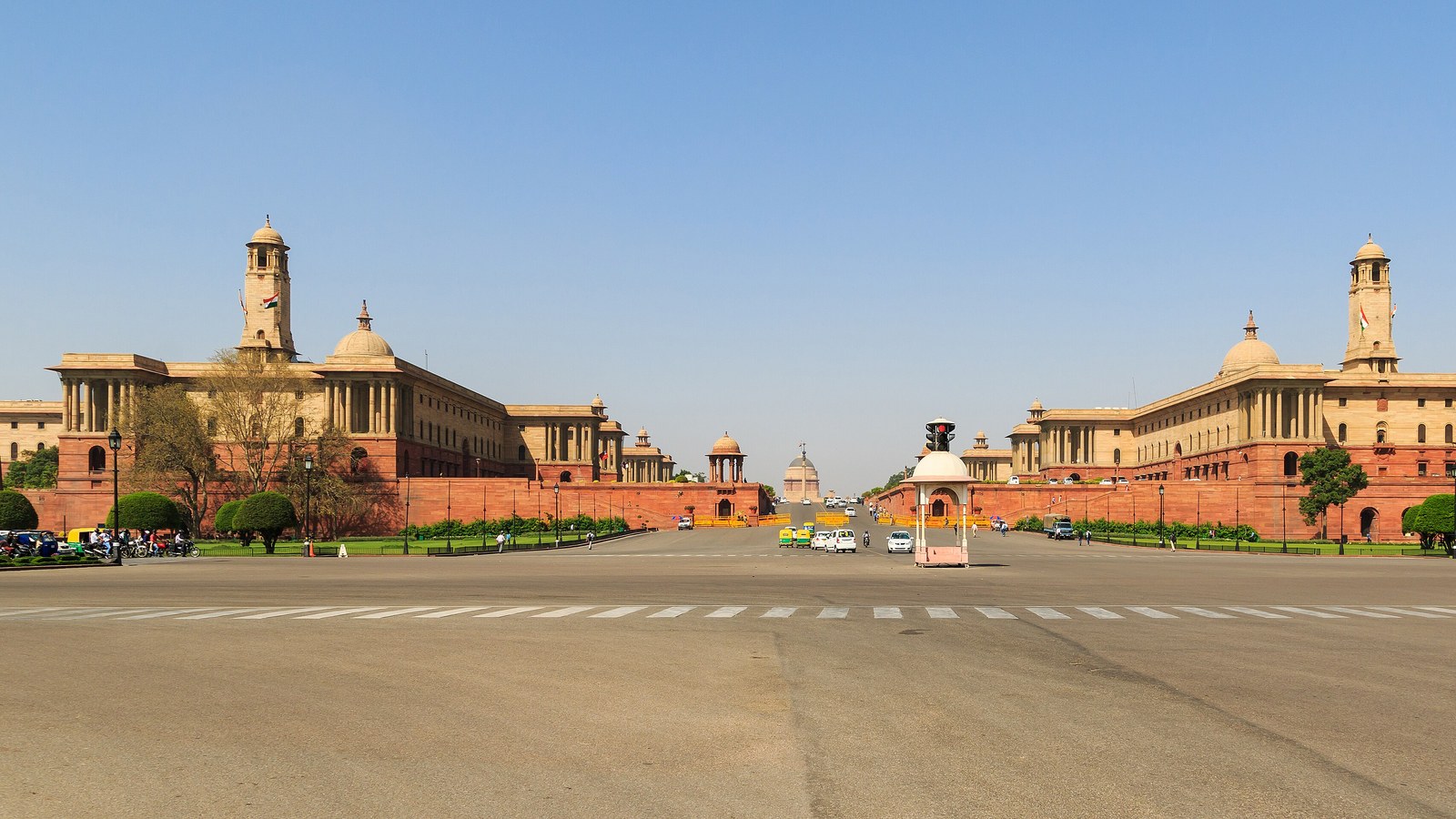
The cover is the central secretariat in New Delhi, where the memorandum was signed. The sources below are the clause text, not later implementation summaries.
Sources: Assam Accord; Accord between AASU, AAGSP and the Central Government (UN Peacemaker).











0 Comments
No comments on this article yet. Be the first!