


For nearly a week, children and parents have stood outside schools in Azerbaijan. Girls in Islamic headscarves have been turned away from class. Other girls, and boys, have come to stand with classmates. Street protests are rare in a country where police usually break them up. Protests involving children are, Deutsche Welle reports, unprecedented. As the videos spread, Instagram and TikTok went dark; internet monitors documented the blocks, and the authorities have not explained them.
The text that started this does not name the hijab. On 7 July the general education law was amended to reinforce secular schooling and to bind pupils and teachers to a dress code. On 21 September the cabinet adopted Resolution No. 309, banning extra clothing that breaks the uniform or clashes with secular education. Each school’s pedagogical council decides how to apply it. Some administrators have read the rule as a stop on headscarves and sent girls home. On 6 October dress rules for teachers followed; reports then came of women being barred from teaching.
Azerbaijan is a Muslim-majority country, but the constitution separates religion from the state and requires state education to be secular. The same articles protect the right to education and freedom of conscience. Supporters say the same uniform should apply to everyone. Critics say shutting girls out of class for religious clothing violates their rights. The quarrel cuts across usual camps: some government opponents back the restrictions, some non-religious Azerbaijanis reject them. Similar limits brought people onto the streets in 2010 as well.
On Monday 12 October the Interior Ministry announced 37 detentions in Baku. According to the ministry, the group had confronted school staff, damaged property and tried to block lessons and traffic. A criminal case was opened for disruption of public order. The ministry did not say who was held, or whether children were among them. Activists cited by Amnesty International speak of more than 200 detentions nationwide. Amnesty called for the release of anyone held solely for peaceful protest. Guilt has not been established by a court.
The BBC also places protests in the southern districts of Masally and Jalilabad. Outside School No. 69 in Balakhany, near Baku, pupils held a banner saying the hijab does not stop anyone getting an education. An MP, Nigar Arpadarai, said children do not choose the scarf themselves but take it from the family. A Baku literature teacher, who asked not to be named, backed the uniform: children, the teacher argued, are too young to decide on religious dress. Some observers tie the timing to fear of Iranian influence; foreign involvement has not been independently shown. Fazil Mustafa, in parliament, spoke of religious groups influenced from abroad. Sheikh Allahshukur Pashazade called for a peaceful solution.
The row has reached Turkey, the closest ally, the country whose leaders speak of “one nation, two states”. On 3 October there were protests at Azerbaijan’s consulate in Istanbul. Oktay Saral, an adviser to President Erdoğan, said it was unacceptable to deny education to students in headscarves. Baku’s ruling party replied that close ties do not justify interference. President Ilham Aliyev warned, without naming Ankara, that nobody should stick their nose into Azerbaijan’s way of life. For the families concerned, the immediate question remains: can the children go into class without taking the scarf off?
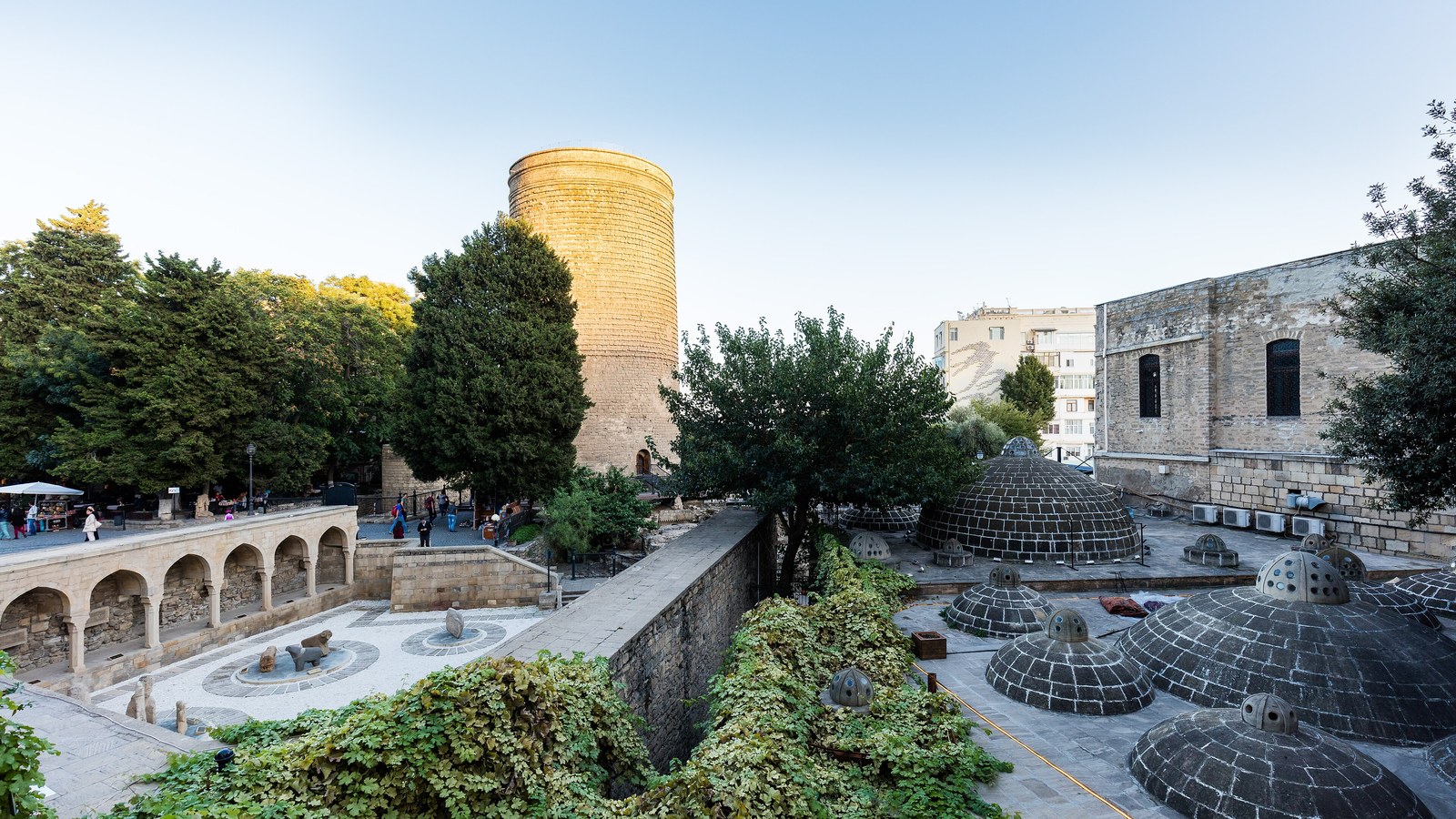
Image: Diego Delso, Baku, 26 September 2016, CC BY-SA 4.0, Wikimedia Commons. The photograph shows the capital, not a school and not a protest.
Sources consulted: Protests against hijab ban in Azerbaijan: Why are children involved? — Deutsche Welle; School headscarf ban sparks rare protests in Azerbaijan and row with Turkey — BBC; Schools In Azerbaijan Turn Away Girls Wearing Hijabs — RFE/RL.











0 Comments
No comments on this article yet. Be the first!