


On 30 January 1991, in Bamako, the Convention on the Ban of the Import into Africa and the Control of Transboundary Movement and Management of Hazardous Wastes within Africa was adopted. Article 21: it shall be open for signature by Member States of the Organization of African Unity in Bamako and Addis Ababa for six months, until 31 July 1991. The African Union list records, among others, Benin, Burkina Faso, Burundi, the Central African Republic, Côte d'Ivoire, Egypt, Guinea, Libya, Mali, Niger and Senegal as signing that day. Authentic languages: Arabic, English, French and Portuguese. Article 28: the depositary is the Secretary-General of the OAU.
The preamble recalls the 1972 Stockholm Conference, the Cairo Guidelines adopted by UNEP Governing Council Decision 14/30 of 17 June 1987, and the Basel Convention of 22 March 1989, which allows regional agreements equal to or stronger than its own provisions. Article 39 of the Lomé IV Convention, on the international movement of hazardous and radioactive wastes, is also cited. Bamako answers, in law, the fact that Basel did not ban import into Africa.
Article 2: hazardous wastes are those in Annex I, those defined as such by domestic law, those possessing the characteristics in the annex, and substances withdrawn from registration for human-health or environmental reasons. Article 2(2) includes radioactive wastes, unlike Basel. The annex categories are not listed here. Article 4(1): Parties shall prohibit the import of all hazardous wastes into Africa, for any reason, from non-Parties; such import shall be deemed illegal and a criminal act. Article 4(2): dumping at sea, incineration at sea and seabed disposal are prohibited — as a legal obligation, not as a procedure.
Article 4(3): generation is to be reduced to a minimum; generators bear unlimited as well as joint and several liability; adequate facilities shall be located, to the extent possible, within each Party’s jurisdiction; the precautionary approach and clean production methods apply; the duty of environmentally sound management may not be transferred to the State of import or transit. Article 5: a competent authority, a focal point and a national body to act as dumpwatch. Article 6: written notification and consent before any transboundary movement between Parties. Article 9: illegal traffic, with criminal penalties. This is not a transport handbook.
Article 22: ratification, acceptance, formal confirmation or approval, with deposit of instruments with the Depositary. Article 23: accession after the Convention is closed for signature, by OAU Member States. Article 25: it enters into force on the ninetieth day after the deposit of the tenth instrument of ratification from signatory Parties; UNTC records 22 April 1998. Article 26: no reservations. Article 29: registration with the United Nations under Article 102 of the Charter. UNTS volume 2101, I-36508, registered by the OAU on 3 March 2000.
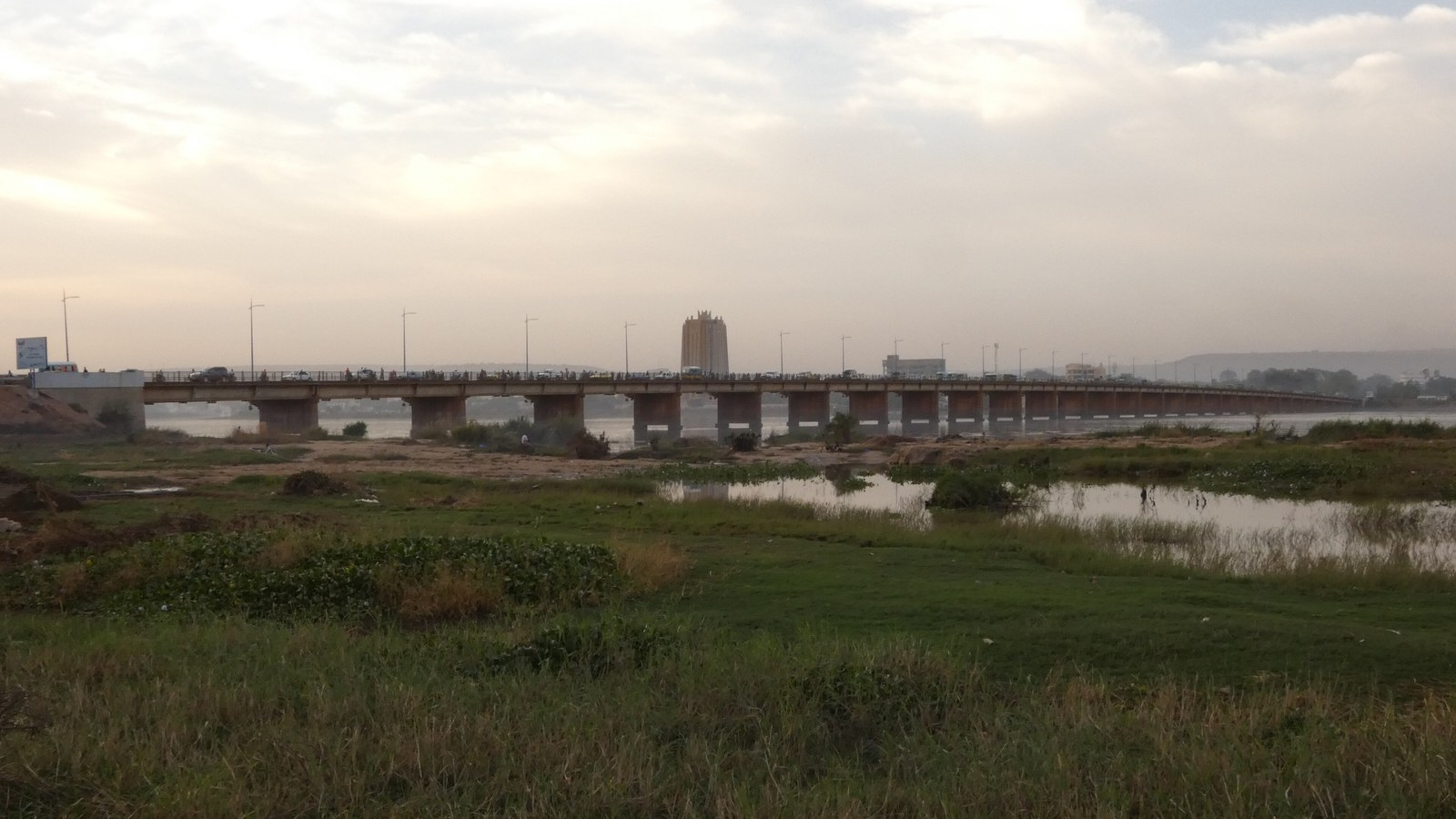
Cover: the Pont des Martyrs over the Niger, in Bamako, the city of adoption — not the signing room. Wikimedia Commons, free licence.
For context: Bamako Convention. The text: Bamako Convention on the Ban of the Import into Africa and the Control of Transboundary Movement and Management of Hazardous Wastes within Africa.











0 Comments
No comments on this article yet. Be the first!