


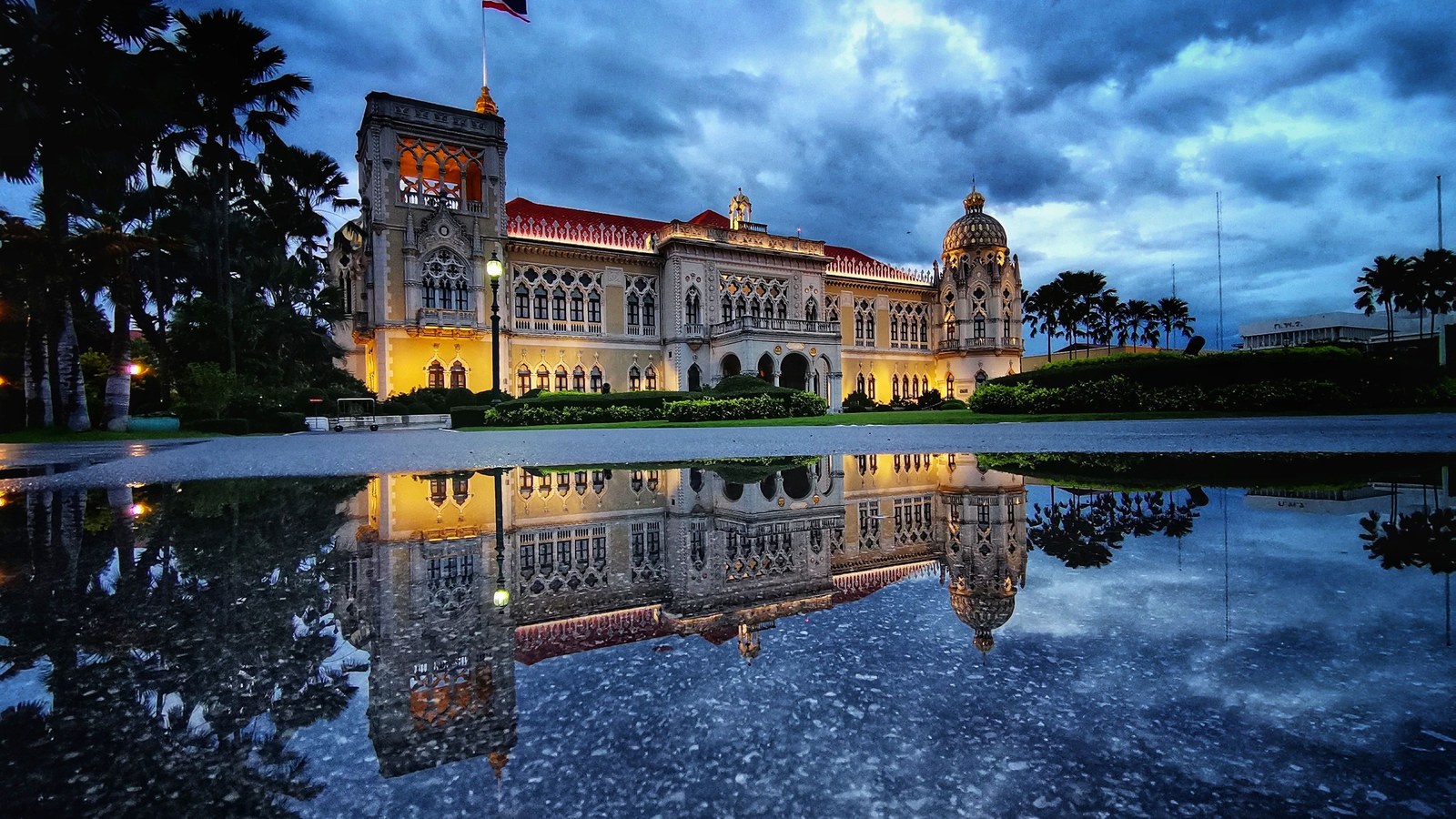
On 15 December 1995, in Bangkok, the ten heads of government of Southeast Asia signed the Treaty on the Southeast Asia Nuclear Weapon-Free Zone. One original, in the English language. Depositary: the Government of the Kingdom of Thailand (Article 15(2)). Registration: UNTS 33873, volume 1981. Signatories: Hassanal Bolkiah, Norodom Ranariddh and Hun Sen, Soeharto, Khamtay Siphandone, Mahathir Mohamad, Than Shwe, Fidel V. Ramos, Goh Chok Tong, Banharn Silpa-archa, Vo Van Kiet. Article 15(1): open for signature by those ten States, not by Timor-Leste.
Article 1(a): the Zone comprises the territories of Brunei Darussalam, Cambodia, Indonesia, Laos, Malaysia, Myanmar, the Philippines, Singapore, Thailand and Vietnam, and their respective continental shelves and exclusive economic zones. Article 1(b): territory means land territory, internal waters, territorial sea, archipelagic waters, the seabed and subsoil and the airspace above them. Article 2(2): nothing prejudices rights under the 1982 United Nations Convention on the Law of the Sea, in particular freedom of the high seas, innocent passage, archipelagic sea lanes passage and transit passage. The preamble ties the Treaty to the ZOPFAN Declaration signed at Kuala Lumpur on 27 November 1971 and to Article VII of the NPT.
Article 3(1): each Party undertakes not to develop, manufacture or otherwise acquire, possess or have control over nuclear weapons, not to station or transport them, and not to test or use them, anywhere inside or outside the Zone. Article 3(2): not to allow any other State, in its territory, to develop, station, or test or use nuclear weapons. Article 3(3): prohibitions on dumping at sea or discharging into the atmosphere any radioactive material or wastes within the Zone. This is a regional non-proliferation framework, not a weapons handbook.
Article 4: the right to use nuclear energy for peaceful purposes is preserved; nuclear material and facilities exclusively for peaceful purposes; a nuclear safety assessment conforming to IAEA guidelines before embarking on a programme; NPT safeguards. Article 5: a full-scope safeguards agreement with the IAEA not later than eighteen months after the Treaty enters into force for that Party. Article 7: each Party, on being notified, may decide for itself whether to allow visits by foreign ships and aircraft, outside the passage rights already recognised.
Article 8: a Commission of the Zone, of foreign ministers, oversees implementation; quorum two-thirds; decisions by consensus or, failing that, a two-thirds majority of those present and voting. Article 9: the Executive Committee. Article 10: the control system — IAEA safeguards, reports, clarification, and fact-finding missions provided for in the Annex, without spelling out the procedure. Article 16: the Treaty enters into force on the date of deposit of the seventh instrument of ratification and/or accession. Entry into force: 27 March 1997 (UNTC; ASEAN). Article 17: no reservations. Article 22: remains in force indefinitely; withdrawal on twelve months’ notice only in the event of a breach by another Party essential to the objectives of the Treaty.
The Protocol, open to China, France, the Russian Federation, the United Kingdom and the United States (Protocol Article 3): respect for the Treaty and an undertaking not to use or threaten to use nuclear weapons against the Parties or within the Zone (Protocol Articles 1–2). None of the five had signed it at the time of the Treaty; it remains a separate instrument, still open.
Thai Khu Fah, Government House, Bangkok, the city of signature, not the signing room. Wikimedia Commons, free licence.
For context: Southeast Asian Nuclear-Weapon-Free Zone Treaty. The text: Treaty on the Southeast Asia Nuclear Weapon-Free Zone.











0 Comments
No comments on this article yet. Be the first!