
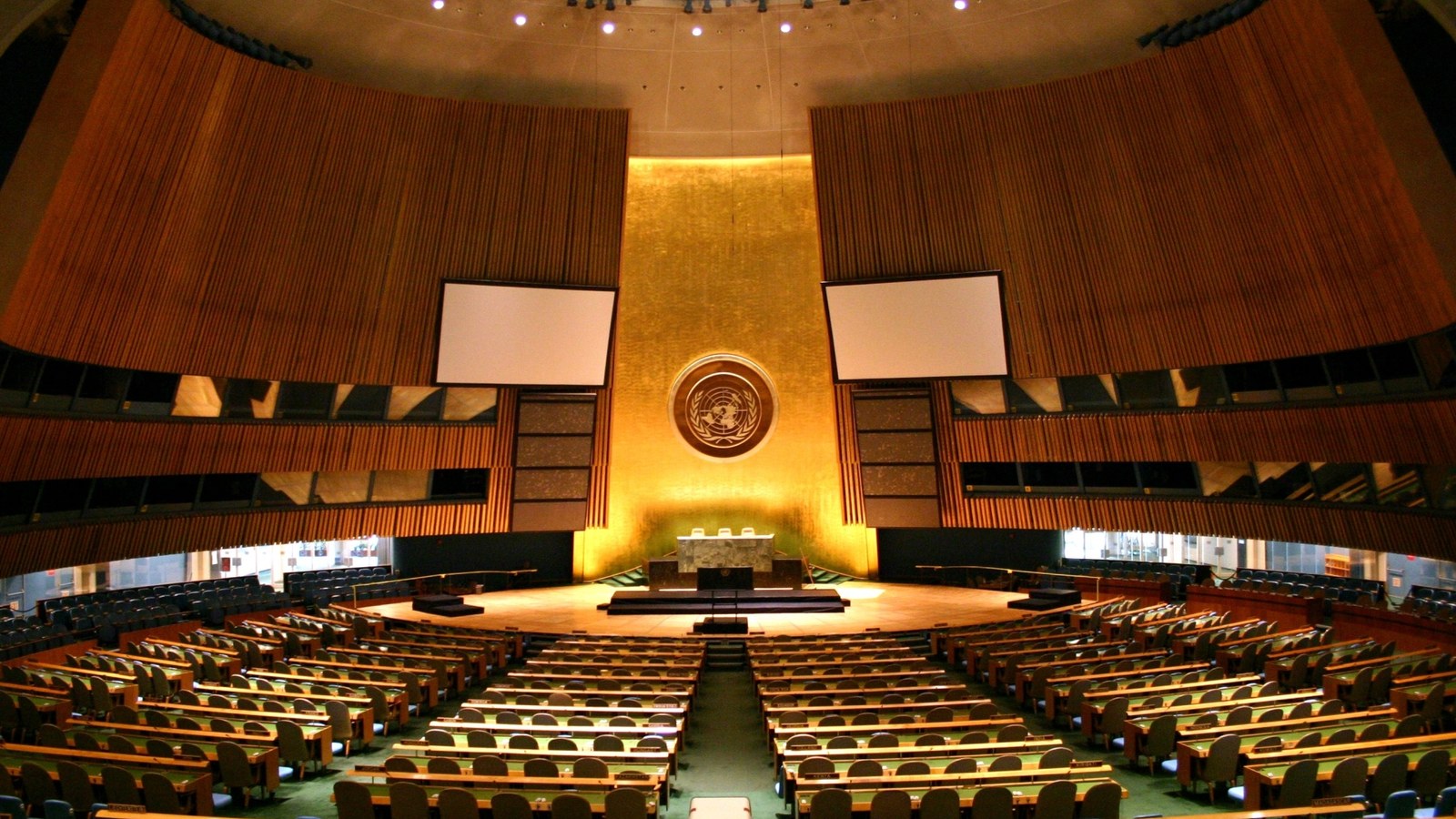
On 17 September 1974 the UN General Assembly admitted three states on the same day: Bangladesh, Grenada and Guinea-Bissau. Resolutions 3203, 3204 and 3205 (XXIX) were adopted at the 2233rd plenary meeting, without a vote, after earlier Security Council recommendations.
The paths to independence differed. Bangladesh had emerged after the 1971 conflict and the separation of East Pakistan. Grenada gained independence from the United Kingdom in February 1974. Guinea-Bissau had declared independence from Portugal in 1973; Portuguese recognition came in 1974, after the Carnation Revolution.
The UN Charter sets the same procedure for all: a Security Council recommendation and a General Assembly decision. The simultaneous admission of the three countries continued the organisation’s expansion during the decades of decolonisation, as membership grew with new states in Africa, Asia and the Caribbean.
This article does not repeat Bangladesh’s diplomatic biography from the 10:30 piece. The subject here is the institutional coincidence: three admissions in one sitting, as a concentrated picture of changing UN membership.
The UN Digital Library and the twenty-ninth session resolutions guide confirm the date of 17 September 1974. The member-state list keeps the same day for all three.
Fifty-two years later, the date shows how independence and decolonisation rapidly changed representation in international organisations, without making the national histories behind those seats the same.
Image: Patrick Gruban, UN General Assembly hall, 17 December 2006 (cropped version 2012). Wikimedia Commons, CC BY-SA 2.0. Not a photograph of the 1974 meeting. Cropped to 16:9.
Source consulted: United Nations Digital Library — General Assembly, 17 September 1974; United Nations — Member States.





0 Comments
No comments on this article yet. Be the first!