


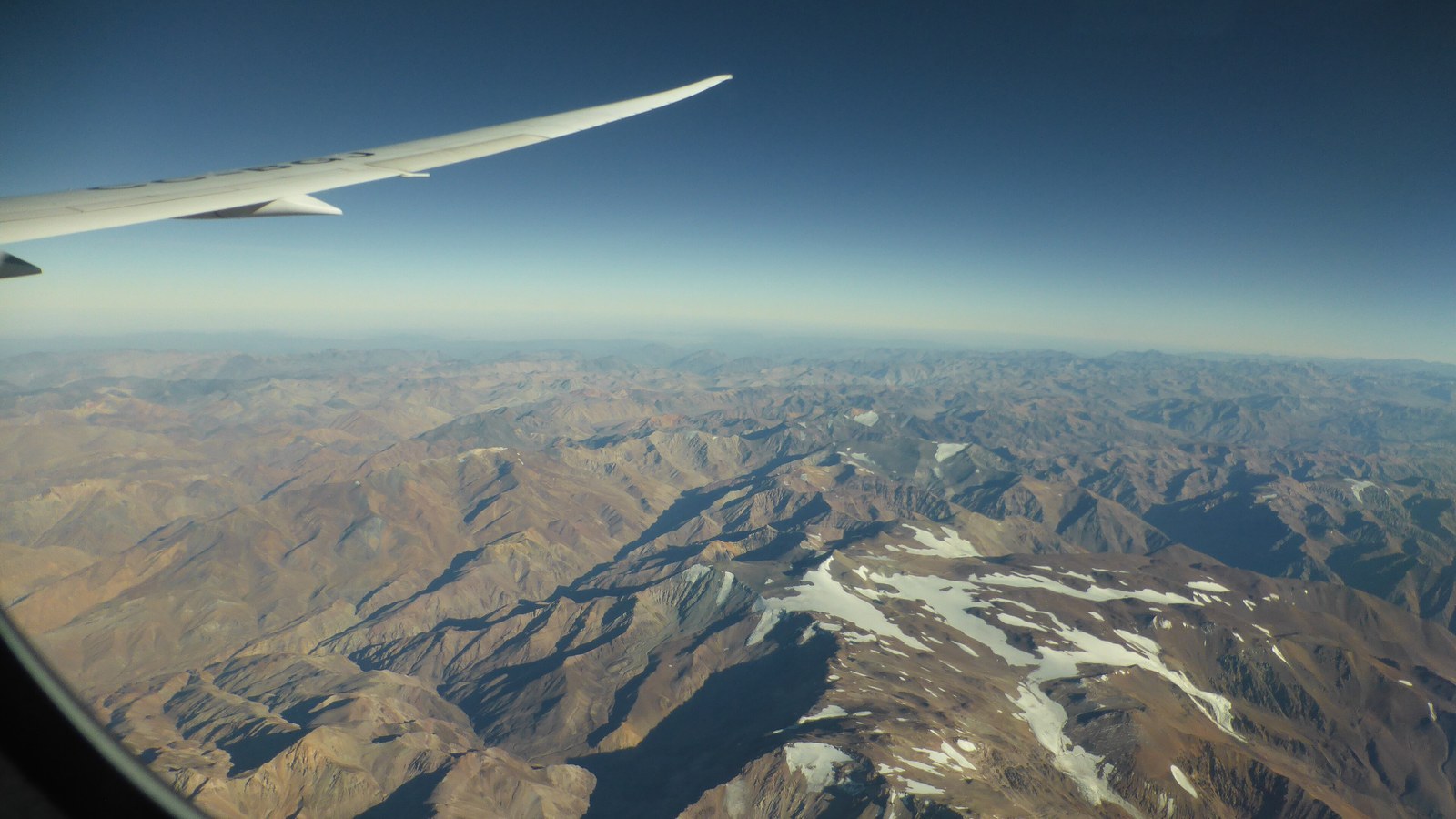
The governments of Argentina and Chile, invoking Article 39 of the Treaty of Peace, Friendship, Commerce and Navigation of April 1856, signed a boundary treaty at Buenos Aires on 23 July 1881. Plenipotentiaries, after exchange of full powers: Dr Bernardo de Irigoyen, Minister Secretary of State for Foreign Affairs, appointed by President Julio A. Roca; Francisco de B. Echeverría, Consul General of Chile, plenipotentiary ad hoc appointed by President Aníbal Pinto through the telegram of Minister Melquiades Valderrama of 18 July. Official text: Argentine Law no. 1116. This is not the 1856 treaty, and not the 1984 Treaty of Peace and Friendship on the Beagle Channel.
Article 1: the boundary, from north to south as far as the 52nd parallel, is the Cordillera of the Andes. The line shall run over the highest summits of the said Cordillera which divide the waters, and shall pass between the sources flowing down to either side. Valleys formed by a bifurcation of the Cordillera, where the water-parting is not clear: two experts, one from each side; failing agreement, a third expert designated by both Governments. A record in duplicate, with full effect from signature, without other formalities. One copy to each Government.
Article 2: in the southern part of the Continent, north of the Strait of Magellan, the line shall start from Punta Dungeness, overland to Monte Dinero; westward along the highest elevations of the chain of hills to Monte Aymond; from there to the intersection of meridian 70 with the 52nd parallel; then west along that parallel to the divortia aquarum of the Andes. Territories north of that line: Argentina; those to the south: Chile, without prejudice to Article 3.
Article 3: in Tierra del Fuego a line shall be drawn from Cape Espíritu Santo, latitude 52°40′, southward along the meridian 68°34′ west of Greenwich until it meets the Beagle Channel. The western part, Chilean; the eastern part, Argentine. As for the islands: to Argentina, Isla de los Estados, the islets immediately adjacent and the other islands in the Atlantic east of Tierra del Fuego and of the eastern coasts of Patagonia; to Chile, all the islands south of the Beagle Channel as far as Cape Horn and those west of Tierra del Fuego. Article 4: the same experts shall mark on the ground the lines of the preceding articles, in the same form.
Article 5: the Strait of Magellan is neutralized in perpetuity; free navigation is assured to the flags of all nations; no fortifications or military defences shall be constructed on the coasts that might be contrary to that purpose. Article 6: each Republic shall exercise full and perpetual dominion over the territories belonging to it under this arrangement; any question, arising from this settlement or from any other cause, shall be submitted to a friendly Power; the limit expressed in this arrangement remains immovable. Article 7: ratifications exchanged within sixty days, or sooner; the exchange in Buenos Aires or Santiago. Signatures, in duplicate: Irigoyen, Echeverría.
The protocol of 22 July recognizes Echeverría’s telegraphic powers and fixes signature for the 23rd. A second protocol, also on the 23rd, thanks the ministers of the United States at Buenos Aires and Santiago (Thomas O. Osborn and Thomas A. Osborn) for their part in the negotiations. The additional protocol of 15 September, signed by the same plenipotentiaries, extends by thirty days the term of Article 7, from 22 September; it is an integral part of the treaty. The Argentine Congress approved the treaty and the protocol by Law 1116, 11 October 1881; Roca promulgated it. Entry into force, on the Foreign Ministry register: 22 October 1881. This is not the 1893 protocol on the water-parting, not Edward VII’s award of 1902, and not the Puna de Atacama of 1899. The cover is the Andes Cordillera, the line of Article 1.
Sources: Boundary Treaty of 1881 between Chile and Argentina; Ley n.º 1116, Tratado de límites Argentina–Chile.











0 Comments
No comments on this article yet. Be the first!