


The Buenos Aires Convention on Literary and Artistic Copyright was signed in Buenos Aires on 11 August 1910, at the Fourth International American Conference. Sixteen articles, in Spanish, English, Portuguese and French, deposited with the Ministry of Foreign Affairs of the Argentine Republic. It is not the Mexico City Convention of 1902, nor that of Rio de Janeiro of 1906, nor the Havana revision of 1928, nor the Inter-American Convention signed in Washington in 1946, which supersedes it as between its parties.
Article 1 acknowledges and protects the rights of literary and artistic property. Article 2 defines the works: books, writings, dramatic and musical works, drawings, paintings, sculpture, engravings, photographic works, globes, plans and any production that can be published by impression or reproduction. Article 3: acknowledgement of a copyright obtained in one State produces its effects of full right in the others, without any other formality, provided the work bears a statement reserving the property right — the historic “all rights reserved” notice, not a registration handbook.
Article 4: the author or assigns have the exclusive power of disposing of, publishing, assigning, translating and reproducing the work, wholly or in part. Article 5: the person whose name or well-known nom-de-plume appears on the work is presumed the author. Articles 6–7: the term shall not exceed that granted in the country of origin; the country of origin is that of first publication in America, and, in the case of simultaneous publication, that which fixes the shortest term. Article 8: a work not originally copyrighted is not entitled to copyright in later editions. Article 9: authorised translations are protected as original works.
Articles 10–12: addresses delivered before deliberative assemblies, courts or public meetings may be printed in the daily press, subject to domestic law; literary, scientific or artistic writings in newspapers or magazines shall not be reproduced without the author’s consent; news published merely for general information is not protected; extracts for instruction or chrestomathy may be freely made. Article 13 treats as illicit reproduction the indirect appropriation of unauthorised parts having no original character, and the reproduction of an entire work or the greater part thereof under the pretext of criticism.
Article 14: every publication infringing a copyright may be confiscated in the signatory countries, without prejudice to indemnities or penalties under the law of the country where the fraud was committed — a framework, not an enforcement handbook. Article 15 reserves to each Government the right to permit, inspect or prohibit circulation, representation or exhibition. Article 16: the Convention becomes operative between the ratifying States three months after they communicate their ratification to the Argentine Government, and remains in force until a year after denunciation, which affects only the denouncing country.
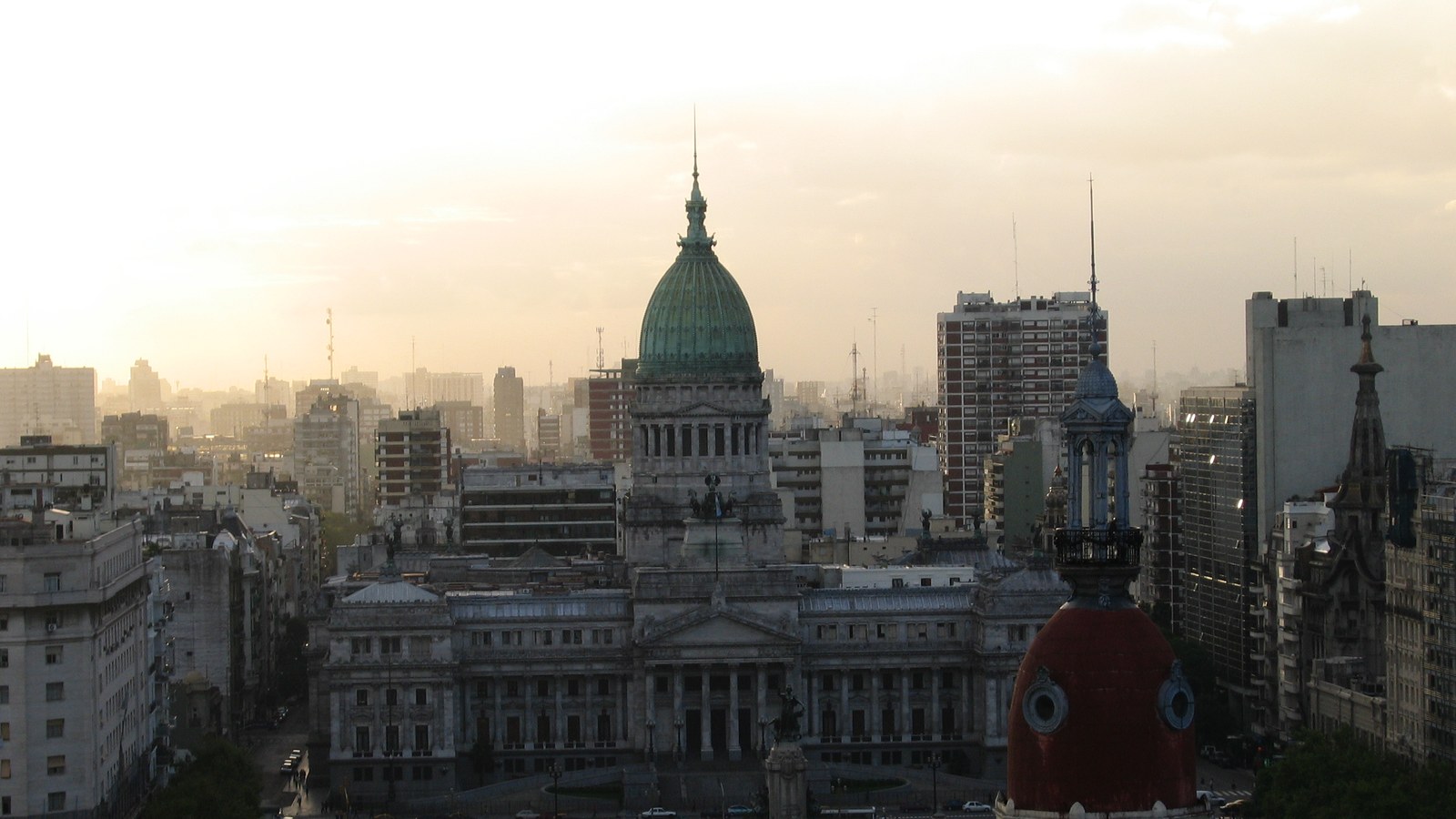
Cover: the Palace of the National Congress in Buenos Aires, a public building of the capital in the years of the conference; we do not claim the signing room. Wikimedia Commons, free licence.
Sources consulted: Buenos Aires Convention; Buenos Aires Convention on Literary and Artistic Copyright (WIPO Lex).











0 Comments
No comments on this article yet. Be the first!