


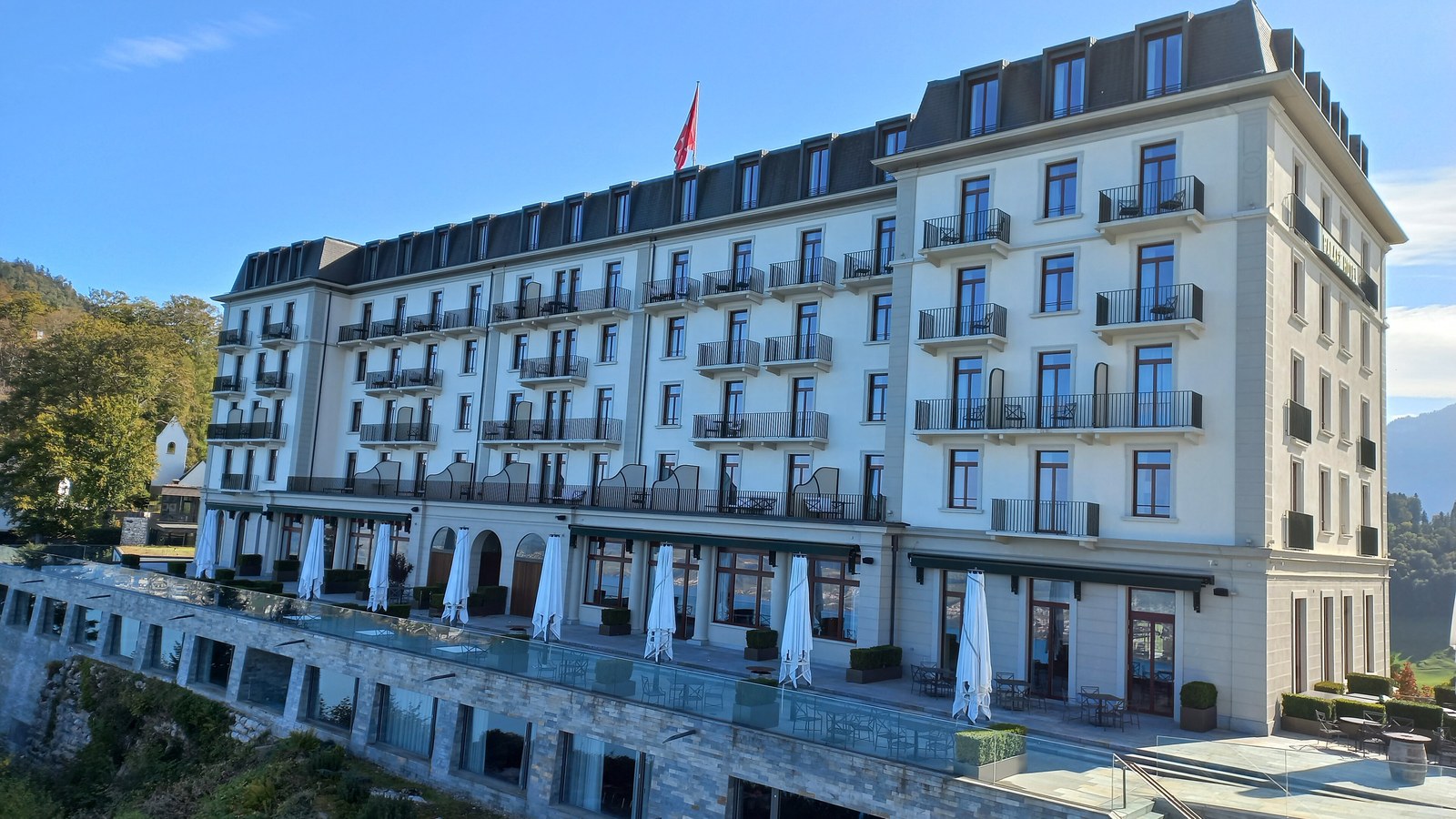
At Bürgenstock, in the canton of Nidwalden of the Swiss Confederation, the Government of the Republic of Sudan and the Sudan People's Liberation Movement/Nuba (SPLM/Nuba) conclude on 19 January 2002 the Nuba Mountains Cease-Fire Agreement. For the Government, Dr Mutrif Siddig Ali signs; for SPLM/Nuba, Cdr Abdul Aziz Adam El Hilu. The witnesses are Ambassador Josef Bucher, for the Swiss Confederation, and Col. Cecil Dennis Giddens, for the United States of America. The parties meet at the invitation of the Swiss and United States governments. The instrument is done at Bürgenstock.
Article I establishes an internationally monitored cease-fire among all their forces in the Nuba Mountains for a renewable period of six months, with the broader object of a just, peaceful and comprehensive settlement of the conflict. Article II requires cessation of hostilities in the Nuba Mountains within 72 hours of signature and guarantees free movement of civilians and goods, including humanitarian assistance. The cessation covers hostilities and military movements, including reconnaissance and reinforcements; attacks by air or land, sabotage and the laying of mines; occupation of new ground and movement of troops and resources other than food, clothing and medical support; acts of violence against the civilian population; supply of ammunition and weaponry to the field; and hostile propaganda. For these purposes the Nuba Mountains means the whole of Southern Kordofan and the province of Lagawa in Western Kordofan. The parties exercise control over armed groups other than their own forces in their zones and communicate the cessation through command channels and the press.
Article III requires immediate disengagement of combatants where they are in direct contact and redeployment of all combatants in the Nuba Mountains to defensive positions, according to the calendar in Annex A and the schedule in Annex B, which may be amended by unanimous decision of the Joint Military Commission. The parties ensure that armed groups operating alongside their troops comply, prohibit the laying of mines, mark danger areas, facilitate the repair of roads and the removal of mines, and open humanitarian corridors. They allow the International Committee of the Red Cross unhindered access to identify persons detained as a result of the conflict. The Agreement may be amended by the parties with the concurrence of the Commission, and renewed for a further six months if both agree, with notice to the Central Joint Military Commission not later than 30 days before expiry.
Article IV requires an announcement of cessation of hostilities, to be effective within 72 hours after signature. Until international observers are deployed, the cessation is regulated by the parties through the Joint Military Commission; once deployed, the International Monitoring Unit reports to it. Once the cease-fire has become effective, neither party engages in movement conferring a tactical or strategic advantage. Article V limits immediate disengagement to the effective range of direct-fire weapons; further withdrawal is conducted under the guidance of the Commission. Artillery and indirect-fire systems within and influencing the Nuba Mountains are rendered safe in a way designated by the Commission. Article VI requires redeployment to defensive positions in accordance with Annex B, reporting of troop strength and armaments, verification by the Commission, and restriction of combatants to declared locations; movements require the Commission’s authorization.
Article VII establishes the Joint Military Commission to assist in disengagement, redeployment and maintaining the cease-fire. Its functions include determining the location of combatants, verifying disengagement, monitoring redeployment and the storage of arms, supervising the mapping and clearance of mines, inspecting supplies, approving flights destined to the Nuba Mountains, coordinating military movements, resolving disputes and liaison between the parties. The Commission is composed of three representatives from each party and a neutral Chairman with two Vice-Chairmen, appointed by the participating countries in consultation with the parties. Decisions are reached by consensus to the greatest extent possible; in a deadlock the Chairman has the deciding vote. The parties accord it the facilities, privileges and immunities appropriate to its mission. The initial logistical base is at Kadugli; a neutral location for central headquarters is designated thereafter.
Article VIII establishes the International Monitoring Unit, working in collaboration with the Joint Military Commission: to observe the cessation of hostilities, monitor disengagement and redeployment, verify military data, assist in a favourable operational environment, liaise with humanitarian organizations and, on request, investigate alleged violations. The initial contingent is between 10 and 15 military and civilian personnel provided by countries acceptable to the parties. The Unit has access and freedom of movement within the Nuba Mountains. The instrument is done at Bürgenstock (NW), Swiss Confederation.
Annex A sets the calendar from the day of signature: announcement of the cease-fire the next day, cessation of hostilities and disengagement from the third day, establishment of the Commission within 30 days, the International Monitoring Unit within 60 days, and evaluation of extension at 150 days. Annex B requires consolidation of forces at designated positions, verification by the Central Commission, restriction of forces in the Moro and Atoro Valley, a demilitarized zone in the Miri Hill region, and five sector commissions. Annex C organizes the Central Commission at Kadugli, the international unit, five sector commissions co-chaired by officers of the parties, and local commissions with joint observer teams. The text is not a comprehensive peace agreement for the whole of Sudan.
Image: Hotel Palace, Bürgenstock, canton of Nidwalden, Switzerland; Asurnipal, 7 October 2023, CC BY-SA 4.0, Wikimedia Commons. Cropped to 16:9.
Source consulted: Bürgenstock Agreement. Treaty text: Nuba Mountains Cease-Fire Agreement, UN Peacemaker.











0 Comments
No comments on this article yet. Be the first!