


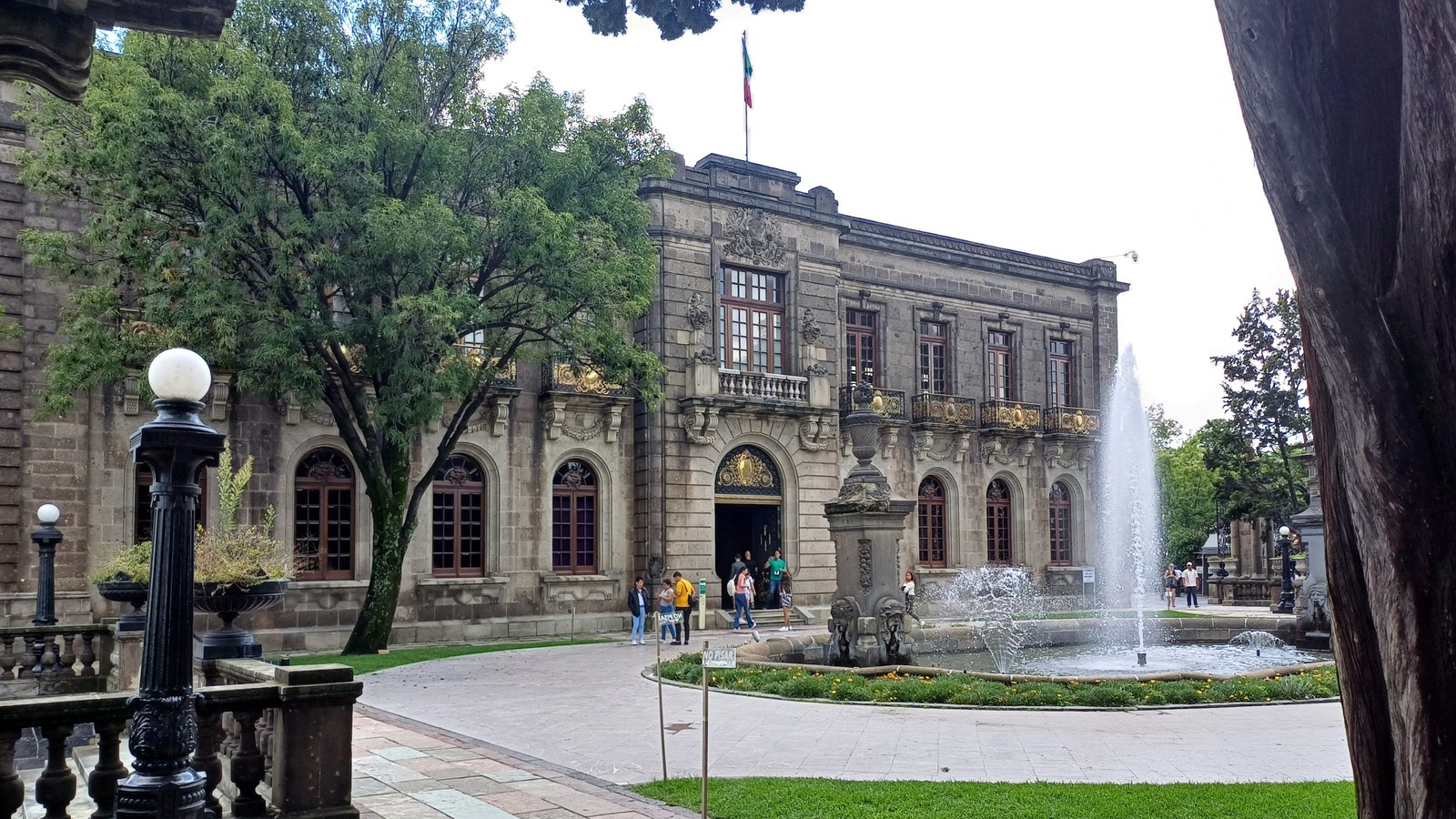
On 16 January 1992, at Chapultepec Castle in Mexico City, the Government of El Salvador and the Farabundo Martí National Liberation Front (FMLN) sign the Peace Agreement. The text, in Spanish, is filed with the United Nations as S/23501. It forms a whole with Geneva (4 April 1990), Caracas (21 May 1990), San José (26 July 1990), Mexico (27 April 1991) and New York (25 September 1991). Mediator: Álvaro de Soto, the Secretary-General’s representative. The civil war, from October 1979, left between 70,000 and 80,000 dead.
Chapter I reforms the Armed Forces. Doctrine: defence of sovereignty and territorial integrity; a permanent institution, obedient, professional, apolitical and non-deliberative. The National Guard and the Treasury Police are abolished as public security forces and their members incorporated into the army. The rapid-deployment infantry battalions are disbanded. Military intelligence services go; a civilian agency appears. Forced recruitment is suspended. Civil-defence patrols are dissolved. An ad hoc commission purges officers implicated in human-rights violations.
Chapter II creates the National Civil Police, the only armed police body with national jurisdiction, independent of the army, under civilian authority. The force is new: organisation, officers, doctrine, training. The National Public Security Academy trains the agents. In the transition, the Director-General is appointed by the President from a list of three proposed by the National Commission for the Consolidation of Peace (COPAZ). The old security forces remain until they are replaced department by department.
Chapter III takes up the Mexico Agreements: an independent National Council of the Judiciary, a Judicial Training School, the National Counsel for the Defence of Human Rights. Chapter IV: the Supreme Electoral Tribunal. Chapter VI: the FMLN receives full civil rights, the release of political prisoners, the return of exiles, media licences, legalisation as a party. Chapter V: land above 245 hectares and state farmland that is not a forest reserve, to peasants and demobilised combatants; an economic and social forum of government, labour and business.
Chapter VII: the cessation of the armed conflict (CAC) begins on 1 February, D-Day, and is completed on 31 October. Four elements: the cease-fire, the separation of forces, the end of the FMLN’s military structure and the reintegration of its members, United Nations verification (ONUSAL). Between signature and D-Day, an informal cease-fire. The official fire is not resumed. The calendar slips: the closing ceremony is on 15 December.
On 23 January the Legislative Assembly passes the National Reconciliation Law. Land, the police academy and FMLN legalisation run late; COPAZ resets the timetable on 12 June. The FMLN contests the 1994 elections. Boutros Boutros-Ghali closes the UN process in 1997, with a degree of compliance he calls acceptable, not complete.
Image: José Luiz Bernardes Ribeiro, southwest facade of Chapultepec Castle, 18 August 2024, CC BY-SA 4.0, Wikimedia Commons. Cropped to 16:9.
Source consulted: Chapultepec Peace Accords. Treaty text: Peace Agreement, Mexico City, 16 January 1992 (UN S/23501).











0 Comments
No comments on this article yet. Be the first!