


On 26 September, in the O’Higgins region, Capacidad 1 was born. El País: an identical copy of the polo mare Capacidad, after a pregnancy of nearly a year. The University of Concepción, on 30 September: a filly from cells of the same mare, in San Fernando, at the Los Abedules Equine Reproduction Center. The name, on the university site: Capacidad 01. A lab name and a newspaper name. The same animal.
Fidel Ovidio Castro, 65, and Lleretny Rodríguez, 50, Cubans, School of Veterinary Sciences at the University of Concepción, founders of Vi-Embryos. Twenty-two years in Chile. In 2008, the cow Victoria, the first cloned animal born in the country. She died at three months, pulmonary and digestive complications. They continued, cattle and goats. In Cuba, rabbits, without success, after Dolly. Castro asks to be called Fidel Ovidio, to avoid confusion with the other one. El País cites La Tercera, 2012: the Cuban leader would have offered to be his godfather. That is a memory, not a protocol.
El País: five embryos, one mare, one carried to term. UdeC: five pregnancies at the first transfer, one through to birth. The surrogate, Pauly. The veterinarian at Los Abedules, Carolina Urquidi: preparing the recipients, fetal heart rate. The cells, Castro. The embryos, the Vi-Embryos lab, then thawed and taken to San Fernando. Rodríguez: equine oocytes are nothing like ruminant oocytes. Standardization took time. Castro: it is not easier just because the animal is small and prolific.
Asked about humans, Rodríguez says human oocytes are easy to work with in vitro. “From a biological and technical standpoint, I would say cloning humans would not be complicated. The entire limitation is ethical.” It is not a plan. El País: the researchers do not endorse applying this to humans. Castro recalls Tetra, a rhesus macaque, Oregon, 1999. Rodríguez: Chile is a very Catholic country, yet assisted reproduction is allowed. Films sell copies made to kill. She asks not to be seen as making monsters. Malformations also occur in natural birth, the embryologist says. That is an opinion. It is not a law.
Capacidad, a mare brought from Argentina, polo Triple Crown, in 2018 at La Dolfina Polo Ranch. Cloning, Rodríguez says, is the only technology that reproduces 100% of the genome. In Argentina the industry is mature: Adolfo Cambiaso and the replicas of La Cuartetera. Costs there, $35,000–$40,000; Europe or the United States, around $85,000. Castro sees a Chilean market: Fina Sangre, a native breed, export of stallions, semen, cell lines. His warning: clones are like identical twins. The genome does not guarantee the same record. “It is most likely to be so, provided it is trained the same way as the mother.”
UdeC: Vi-Embryos, 2019. The owners want to train the filly for polo. The researchers project 10–12 clones next year. A projection, not a ledger. Until then, a mare, a filly, a laboratory and a sentence about ethics that fills a headline more easily than an equine oocyte.
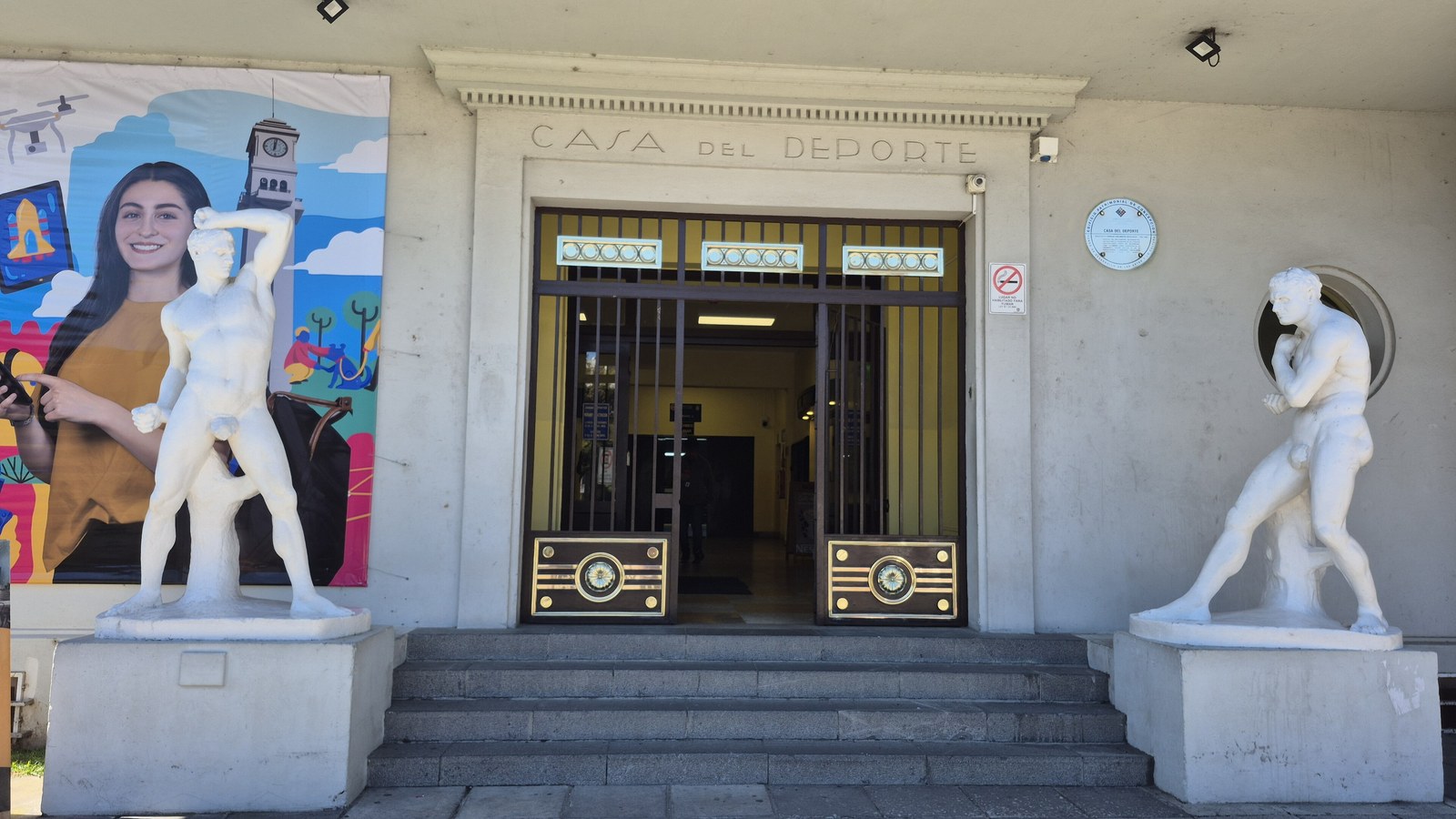
Image: AfricaToro, Casa del Deporte, University of Concepción, 26 March 2026, CC BY-SA 4.0, Wikimedia Commons. The photograph is of the campus, not the filly Capacidad 1.
Sources consulted: The researchers who achieved Chile’s first cloned horse — El País; Chile’s first cloned horse born with University of Concepción technology — UdeC.











0 Comments
No comments on this article yet. Be the first!