


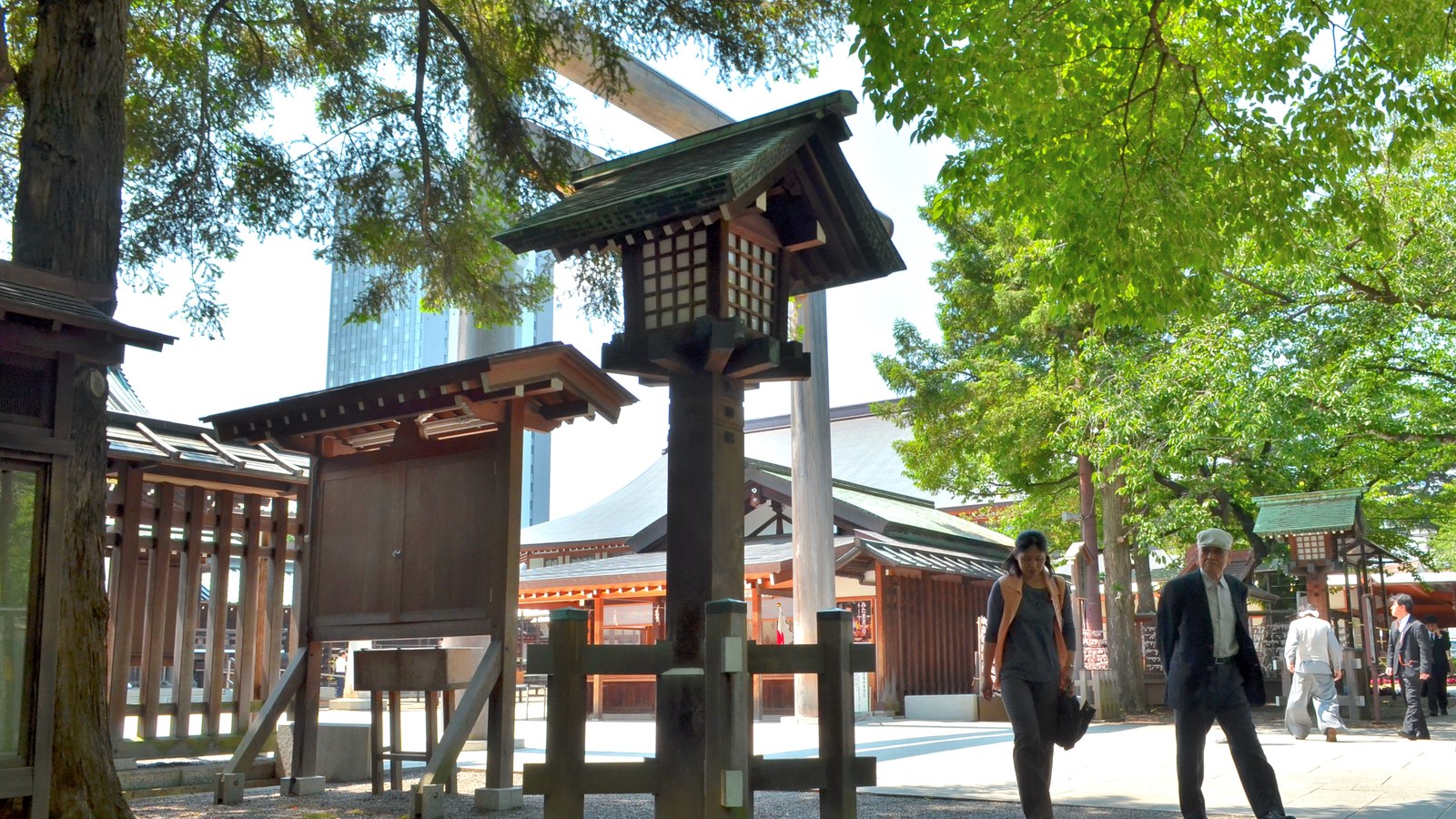
On Saturday, 17 October 2026, a spokesperson for China's embassy in Japan condemned offerings and visits at Yasukuni Shrine during the autumn festival. Prime Minister Sanae Takaichi sent a masakaki, a ritual potted-plant offering, in her capacity as prime minister. She did not go to the shrine in person. Some cabinet members and lawmakers did.
The embassy said Yasukuni enshrines 14 Class-A war criminals convicted after the Second World War and is a symbol of Japanese militarism. Offerings, the spokesperson added, cannot hide an intent to rehabilitate war criminals, cover wartime crimes and pave the way for remilitarisation. That wording is Beijing's; it is not a new international verdict.
This year marks 80 years since the Tokyo Trials opened. China ties Japan's attitude to history to its return to the international community after the war and to ties with its neighbours. It urged Tokyo to break with militarism through deeds, not explanations.
Xinhua, citing Kyodo, noted that Takaichi used to visit the shrine regularly before she became prime minister in October 2025 and has since refrained. Saturday's offering is therefore a middle step: not a visit, but not a full distance either.
Yasukuni, in Tokyo's Chiyoda ward, has for years been a point of friction with China and South Korea. This article reports the Chinese protest and the Japanese gesture. It does not rewrite the history of the war or assign criminal guilt to the ministers who went to the shrine.
For neighbours, the signal is political. For a European reader, the useful distinction is this: Takaichi sent a plant, she did not walk into the precinct. The embassy's condemnation still treats both acts as the same line.
Image: Dakiny, Yasukuni Shrine, Tokyo, June 2012, CC BY 2.0, Wikimedia Commons; archive precinct, not the offering of 17 October 2026.
Sources consulted: Chinese embassy spokesperson on Yasukuni - Chinese Embassy in Japan; Chinese embassy condemns Japanese leaders' Yasukuni Shrine moves - Xinhua.











0 Comments
No comments on this article yet. Be the first!