


The Concordat between the Holy See and the Republic of Poland was signed in Warsaw on 28 July 1993, in duplicate, the Polish and Italian texts equally authentic. Plenipotentiaries: Józef Kowalczyk, titular archbishop of Herakleion and apostolic nuncio in Warsaw, and Krzysztof Skubiszewski, minister for foreign affairs. Article 29: subject to ratification; it enters into force one month after the exchange of instruments — exchanged at the Vatican on 25 March 1998, in force from 25 April 1998. It is not the 1925 Polish–Vatican concordat, denounced by the communist government, nor the 1933 Reichskonkordat, nor the 1940 Portuguese concordat.
The preamble notes the Catholic majority, the Church’s role in Polish history and the pontificate of John Paul II, the recovery of independence, international-law principles on religious freedom, and the bull Totus Tuus Poloniae populus. Article 1: the State and the Catholic Church are, each in its own order, independent and autonomous, with mutual respect and cooperation for the common good. Article 2: a nuncio in Warsaw and an ambassador in Rome. Articles 3–5: freedom of communication with the Holy See; legal personality of the Church and of canonical institutions duly notified; public exercise of the mission, without distinction of rite.
Article 6 reserves to ecclesiastical authority the creation of its own structures (dioceses, military ordinariate, parishes), with the limit that no part of Polish territory shall belong to a diocese seated outside the frontier, and vice versa. Article 7: ecclesiastical offices are filled by the competent Church authority; appointment and removal of bishops belong exclusively to the Holy See, from among clergy who are Polish citizens — a framework, not an appointments handbook. Article 8: freedom of worship; inviolability of places set aside for worship and burial, subject to Polish-law exceptions. Article 9: Sundays and a listed set of feast days are free from work, with possible extension by agreement.
Articles 10–11 recognise, as a matter of principle, the civil effects of canonical marriage under the conditions of Polish law and the separate competences of ecclesiastical and state courts — not a transcription handbook. Articles 12–15: parents’ right to the religious education of their children; Catholic religion teaching in public schools at the request of those concerned; the Church’s right to establish schools and higher-education institutions, including state support for the Pontifical Academy of Theology in Kraków and the Catholic University of Lublin, under civil law.
Articles 19–24 recognise the right of association, of publication and of own means of communication, charitable and missionary activity, and the acquisition of property and construction of sacred buildings, under Polish legislation. Article 27: new matters by later agreements or arrangements with the Polish Bishops’ Conference, authorised by the Holy See. Article 28: differences of interpretation through diplomatic channels. UNTS No. 56632 (registration 2021); the English deposit translation carries a DONE formula that does not match the authentic Vatican and Dziennik Ustaw texts.
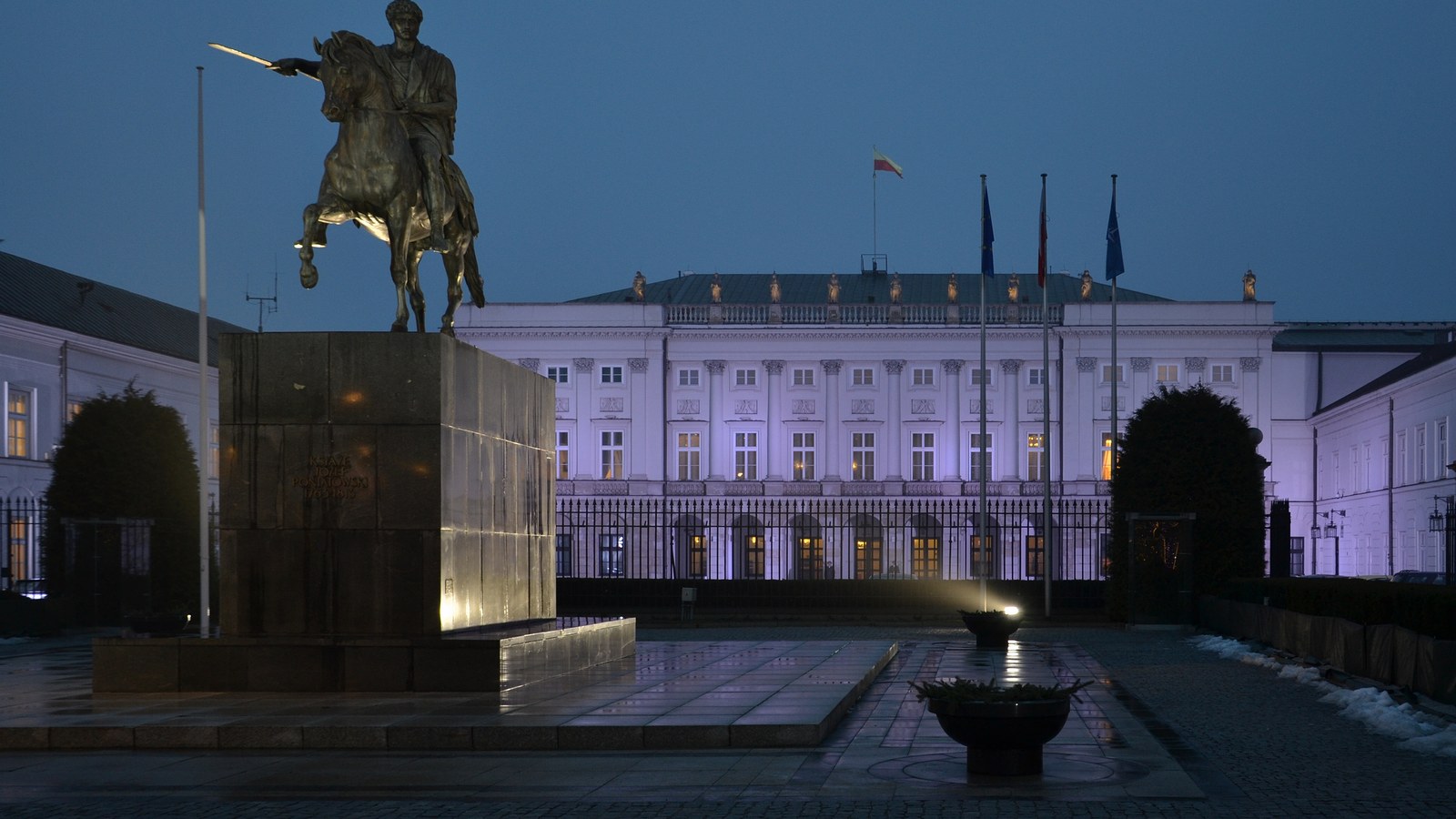
Cover: the Presidential Palace in Warsaw, the capital where the concordat was signed; we do not claim the signing room. Wikimedia Commons, free licence.
Sources consulted: Concordat of 1993; Concordato tra la Santa Sede e la Repubblica di Polonia.











0 Comments
No comments on this article yet. Be the first!