


The Concordat between the Holy See and the Portuguese Republic was signed in Vatican City on 7 May 1940 by Cardinal Luigi Maglione, Secretary of State of Pope Pius XII, and by Portugal's plenipotentiaries General Eduardo Augusto Marques, president of the Corporative Chamber, the jurist Mário de Figueiredo, and minister plenipotentiary Vasco Francisco Caetano de Quevedo. It is not the Concordat of 1857, nor that of 1886, whose provisions remain in force only insofar as later agreements have not displaced them. The authentic texts are Portuguese and Italian, in duplicate. It was published in Acta Apostolicae Sedis, volume 32.
The preamble states that the pontiff and the President of the Portuguese Republic intend to settle the legal position of the Catholic Church in Portugal, to recognise the Church's freedom and to safeguard the nation's interests, including as regards Catholic missions and the Padroado of the East. This article does not transcribe a colonial or missionary handbook. A separate Missionary Agreement, signed the same day, develops Articles XXVI to XXVIII; the present piece stays with the principal concordat.
Article I recognises the legal personality of the Catholic Church. Friendly relations with the Holy See are to be maintained, in the traditional historical form, through an Apostolic Nuncio in Lisbon and a Portuguese ambassador to the Holy See. Article II guarantees the free exercise of ecclesiastical authority in its own sphere: the Holy See may publish provisions for the government of the Church and correspond with prelates, clergy and Catholics in Portugal, without prior State approval for bulls and instructions.
Articles III to VIII recognise the Church's right to organise under canon law, to constitute associations with legal personality by simple notice from the bishop, to acquire and administer property, and to take collections. The State recognises Church ownership of certain still-held places of worship — churches, episcopal and parish residences, seminaries — except those applied to public services or classified as national monuments; the latter remain State property, permanently assigned to ecclesiastical use. No cadastral inventory is transcribed.
Residential archbishops and bishops, coadjutors with right of succession, parish priests and seminary rectors must be Portuguese citizens. Before appointing a residential archbishop or bishop, or a coadjutor with right of succession, the Holy See communicates the chosen name to the Portuguese Government to learn whether there are objections of a general political character; silence for thirty days means there are none, and the steps remain secret. The Padroado regime is reserved, without being set out as an appointments playbook.
The State recognises civil effects for marriages celebrated in accordance with canon law, once the record is transcribed in the civil registers. In keeping with the essential properties of Catholic marriage, by the very fact of a canonical celebration the spouses are understood to waive the civil faculty of petitioning for divorce, which civil courts may not apply to those marriages. Causes of nullity and of dispensation of a ratified and non-consummated marriage remain with the ecclesiastical courts; final sentences, verified by the Apostolic Signatura, are transmitted diplomatically to the competent Court of Appeal. No divorce or annulment procedure is transcribed.
The Concordat is to be ratified and enters into force on the exchange of instruments of ratification, except for the part that depends on complementary internal legislation of the Portuguese Republic, which must follow within two months of ratification. Portugal's letter of confirmation and ratification, together with the Missionary Agreement, was published in the Diário da República. An additional protocol of 1975, after the Carnation Revolution, amended the civil-divorce clause; the 1940 instrument remained the basis until a new concordat, signed in 2004 by the government of José Manuel Barroso.
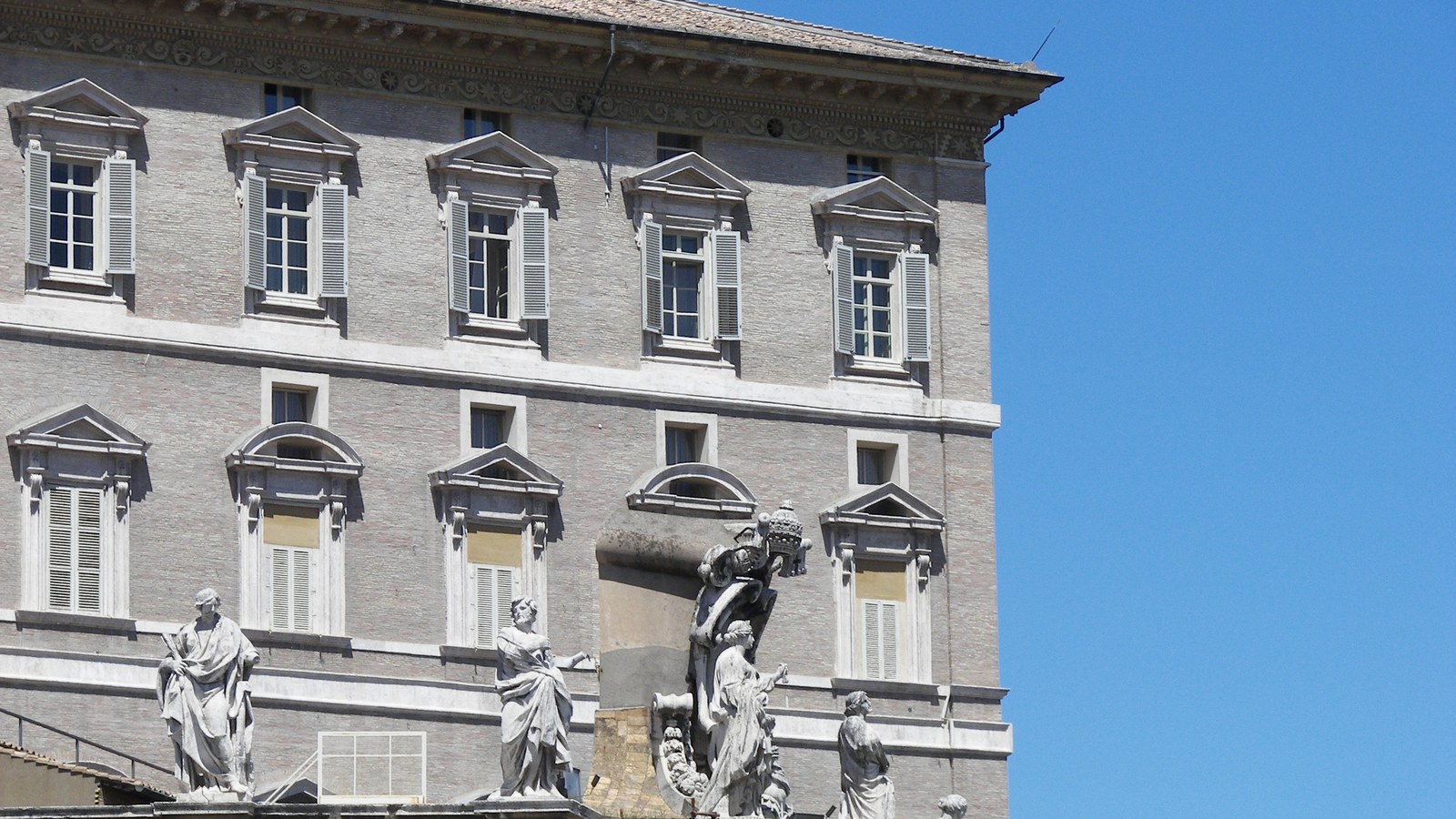
Cover: the Apostolic Palace in Vatican City, seat of the Secretariat of State of the Holy See; we do not claim the signing room. Wikimedia Commons, free licence.
Sources consulted: Concordat of 1940; Concordata entre a Santa Sé e a República Portuguesa de 1940.











0 Comments
No comments on this article yet. Be the first!