



At Strasbourg, the member States of the Council of Europe, other States and the European Community sign on 24 January 2001 the European Convention on the Legal Protection of Services based on, or consisting of, Conditional Access (ETS No. 178). The instrument is done at Strasbourg, in English and in French, both texts being equally authentic, in a single copy deposited in the archives of the Council of Europe. The Secretary General transmits certified copies to each member State, to the other States party to the European Cultural Convention, to the European Community and to any State invited to accede.
Article 1 fixes the object: broadcasting and information society services offered against payment and based on, or consisting of, conditional access. The purpose is to make illegal on the territory of the Parties a number of activities which give unauthorised access to protected services, and to approximate the Parties' legislation. Article 2 defines a protected service (television, radio broadcasting, information society services, or the provision of conditional access as a service in its own right), conditional access, a conditional access device and an illicit device (one giving intelligible access without the service provider's authorisation). Article 3 applies the Convention to any legal or natural person offering a protected service, regardless of nationality and whether or not under the jurisdiction of a Party.
Article 4 makes it unlawful on the territory of a Party, for commercial purposes, to manufacture or produce, import, distribute, sell or rent, possess, install, maintain or replace illicit devices, and to commercially promote, market or advertise them. Any Party may, by a declaration to the Secretary General, declare other activities unlawful as well. Article 5 requires measures making those activities punishable by criminal, administrative or other sanctions that are effective, dissuasive and proportionate. Article 6 requires measures to seize and confiscate illicit devices or promotional material, and to forfeit profits. Article 7 ensures that providers of protected services have access to civil remedies, including damages, injunctions and, where appropriate, elimination of illicit devices from commercial channels.
Article 8 commits the Parties to mutual assistance in implementing the Convention, under relevant international instruments on criminal or administrative co-operation and under domestic law. Article 9 provides for multilateral consultations within the Council of Europe to examine application and the advisability of extending or revising provisions, in particular the definitions; each Party has one vote, and on questions within its competence the European Community casts a number of votes equal to its member States that are Parties. Article 10 regulates proposed amendments, examined in consultations, approved by the Committee of Ministers and accepted by the Parties.
Article 11 leaves rights under multilateral conventions on special matters unaffected, allows bilateral or multilateral agreements to supplement the Convention, and provides that in their mutual relations Parties which are members of the European Community apply Community rules and do not apply the Convention's rules except where there is no Community rule on the subject. Article 12 opens signature to the member States of the Council, the other States party to the European Cultural Convention and the European Community, with or without reservation as to ratification; instruments are deposited with the Secretary General. The Convention enters into force according to the periods in the article after three States have expressed their consent to be bound.
Article 13 allows accession by non-member States, on invitation by the Committee of Ministers after consulting the Parties. Article 14 regulates territorial application by declarations. Article 15 prohibits reservations. Article 16 requires a friendly settlement of disputes on interpretation or application, including submission to binding arbitration. Article 17 regulates denunciation. Article 18 sets out the notifications which the Secretary General addresses to the States and the Community.
The text is not the European Convention on Transfrontier Television and is not a European Union directive. The depositary remains the Council of Europe.
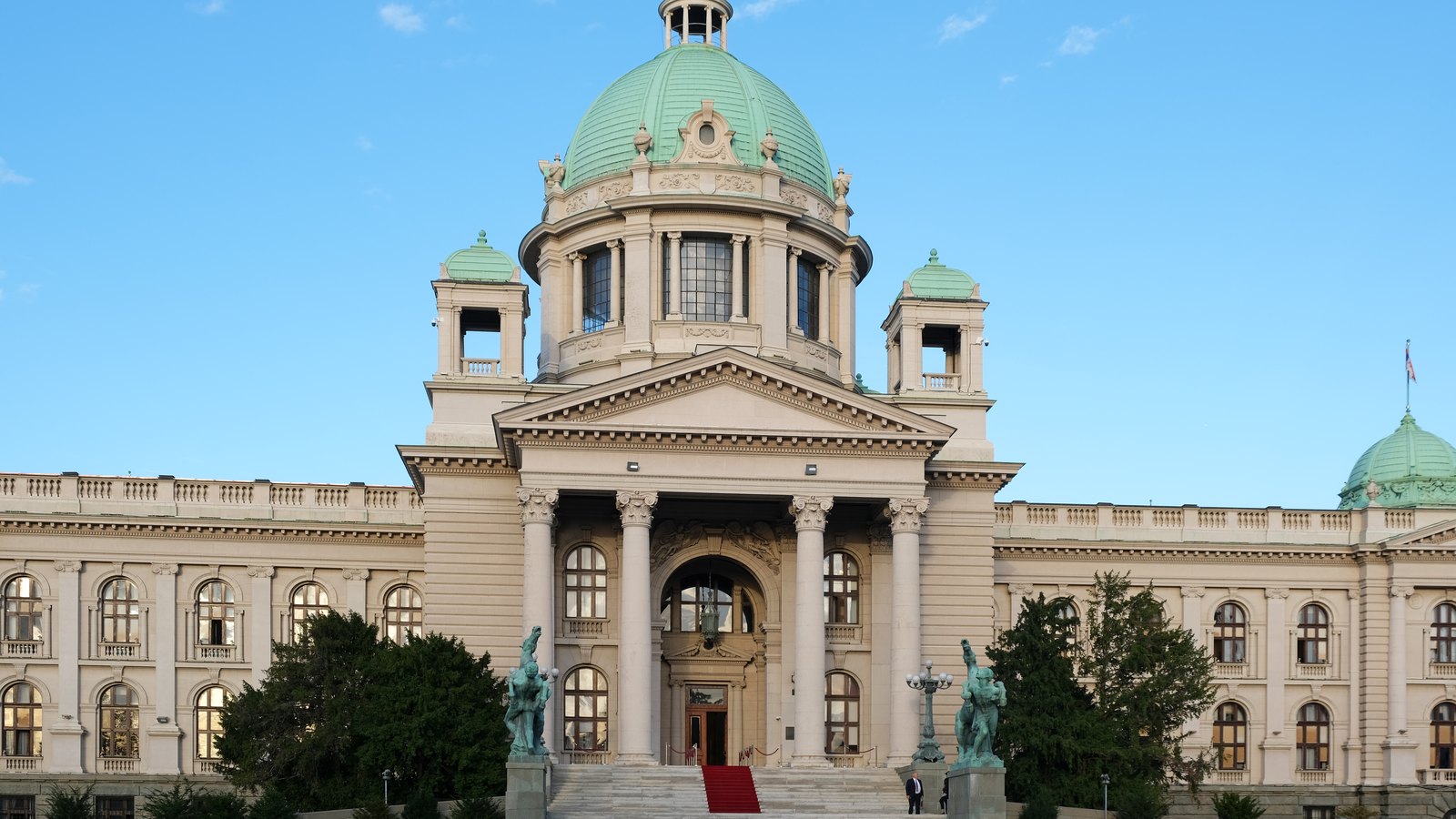
Image: Palais de l Europe, Strasbourg; Council of Europe, CC BY 3.0, Wikimedia Commons. Cropped to 16:9.
Source consulted: Conditional Access Convention. Treaty text: European Convention on the Legal Protection of Services based on, or consisting of, Conditional Access, ETS No. 178.








0 Comments
No comments on this article yet. Be the first!