


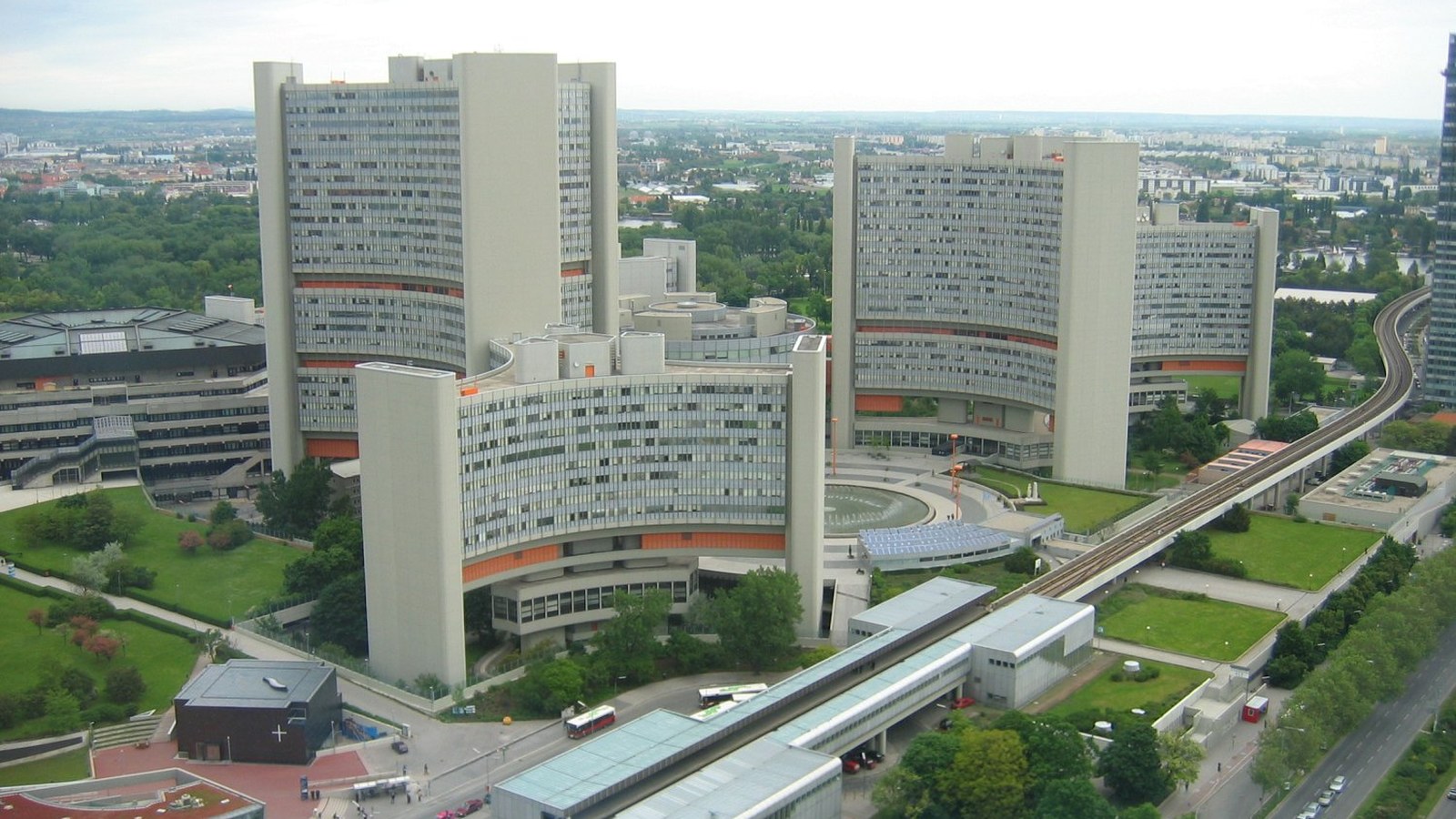
The Convention on Assistance in the Case of a Nuclear Accident or Radiological Emergency was adopted by the General Conference of the International Atomic Energy Agency, meeting in special session in Vienna on 26 September 1986, and opened for signature the same day at IAEA headquarters, then from 6 October at United Nations Headquarters in New York. The Arabic, Chinese, English, French, Russian and Spanish texts are equally authentic. Depositary: the Director General of the IAEA. It is not the Convention on Early Notification of a Nuclear Accident, adopted at the same session. The preamble recalls existing safety measures and the need for an international framework for prompt assistance, after the Chernobyl accident in April.
Article 1: the Parties co-operate among themselves and with the IAEA to facilitate prompt assistance, to minimise consequences and to protect life, property and the environment; they may conclude bilateral or multilateral arrangements. Article 2: a State may call for assistance from any other Party, directly or through the Agency, whether or not the accident originated in its territory; it specifies, where practicable, the scope and type of help; the addressee promptly decides whether it can assist and on what terms. Parties notify the Agency, within the limits of their capabilities, of experts, equipment and materials that could be made available, and of the terms, especially financial. The Agency transmits the request, makes allocated resources available and, if asked, co-ordinates internationally. The article is not a response protocol.
Article 3: overall direction, control and supervision of assistance on the requesting State’s territory remain with that State unless otherwise agreed; ownership of equipment is unaffected. Article 4: competent authorities and points of contact, available continuously. Article 5 asks the Agency to collect and disseminate information on resources and methods and to assist with plans and training, without a monitoring handbook. Article 6: confidentiality of information obtained in connection with the assistance; public statements, so far as possible, co-ordinated with the requesting State.
Article 7: assistance may be offered without cost, taking into account the nature of the event, its place of origin, the needs of developing countries and of countries without nuclear facilities; otherwise prompt reimbursement, with waiver or postponement possible. Articles 8 and 9: privileges and immunities for assistance personnel, plus transit; a State may declare, on signature, that it does not consider itself bound by part of those clauses. Article 11: either side may request termination of assistance after consultations. Article 13: consultation, then, on request, arbitration or the ICJ, with a permitted reservation.
Article 14: entry into force thirty days after three States have expressed consent to be bound — 26 February 1987. Regional integration organizations may accede, without an extra vote. Article 15: provisional application. Article 17: denunciation effective after one year. The Early Notification Convention, opened the same day, is a separate instrument.
The text consulted is INFCIRC/336. The Convention is a framework for co-operation and requests for help, not an operational emergency guide.
Cover: the Vienna International Centre, the IAEA’s headquarters when signature opened; we do not claim the hall. Wikimedia Commons, free licence.
Sources consulted: Convention on Assistance in the Case of a Nuclear Accident or Radiological Emergency; INFCIRC/336 Convention on Assistance in the Case of a Nuclear Accident or Radiological Emergency.











0 Comments
No comments on this article yet. Be the first!