


Britain resumed war with France in May 1803, thirteen months after Amiens. The attempt to declare the Electorate of Hanover — Brunswick-Lüneburg, held in personal union by George III — neutral was ignored. Édouard Mortier’s troops entered from the Batavian Republic at Emlichheim on 26 May. Field Marshal Johann Ludwig von Wallmoden-Gimborn, commanding the electoral troops, offered no battle. At Sulingen (Suhlingen), on 3 June, civil and military deputies of the Hanoverian regency initialled with Mortier the army’s withdrawal, for the duration of the war, to the east bank of the Elbe, in the Duchy of Saxe-Lauenburg. The First Consul refused ratification. On 5 June the French took Hameln and the capital Hanover; Mortier lodged in the Hardenberg house.
The Convention of Artlenburg, also called the Elbkonvention or Lauenburg Convention, was signed at Artlenburg on the Elbe on 5 July 1803. Wallmoden signed. Mortier dictated. It is not the Convention of Sulingen, and not Kloster Zeven of 1757.
Meyers sums the three conditions: the Hanoverian army is disarmed and dissolved; ammunition and horses go to the victor; the whole land remains in French sequester. The 1803 army list put the force at some 16–17,000 men: eleven cavalry regiments, thirteen of infantry, artillery, engineers; by the dissolution officers, men and horses were already short. Arms, troop horses and the entire artillery passed to the French.
The men were to give their parole not to fight France or her allies until exchanged head for head with French soldiers. The French treated them as prisoners of war in their own country. They might go home; they were not to leave the Continent. The convention said nothing of money compensation. The parole was not in fact taken; the text was not read to the troops; many learned of it from the newspapers. Officers and men simply went home. A discharge certificate from the canton of Lauenburg, 9 July, cites the Elbe convention of 5 July by name.
George III, as King of Great Britain, refused to identify himself with the Elector of Hanover. Talleyrand had asked for Hanover as a pledge for the evacuation of Malta and for exchanging the Hanoverian army against French prisoners. Hawkesbury answered that the King would appeal to the Empire. The Empire did not answer. Masters of the Elbe, the French stopped English goods; Britain blockaded the mouths of the Elbe and the Weser.
In December 1803 the King’s German Legion was raised from men discharged under the Lauenburg convention. Schwertfeger prints the list of electoral officers at the dissolution: Wallmoden, commanding general; Prince Adolph, Duke of Cambridge, inspector of cavalry and infantry. Occupation lasted, with breaks, until 1813; in 1806 Paris “gave” the electorate to Prussia, then Jena took it back. This is not the Paris treaty of 15 February 1806.
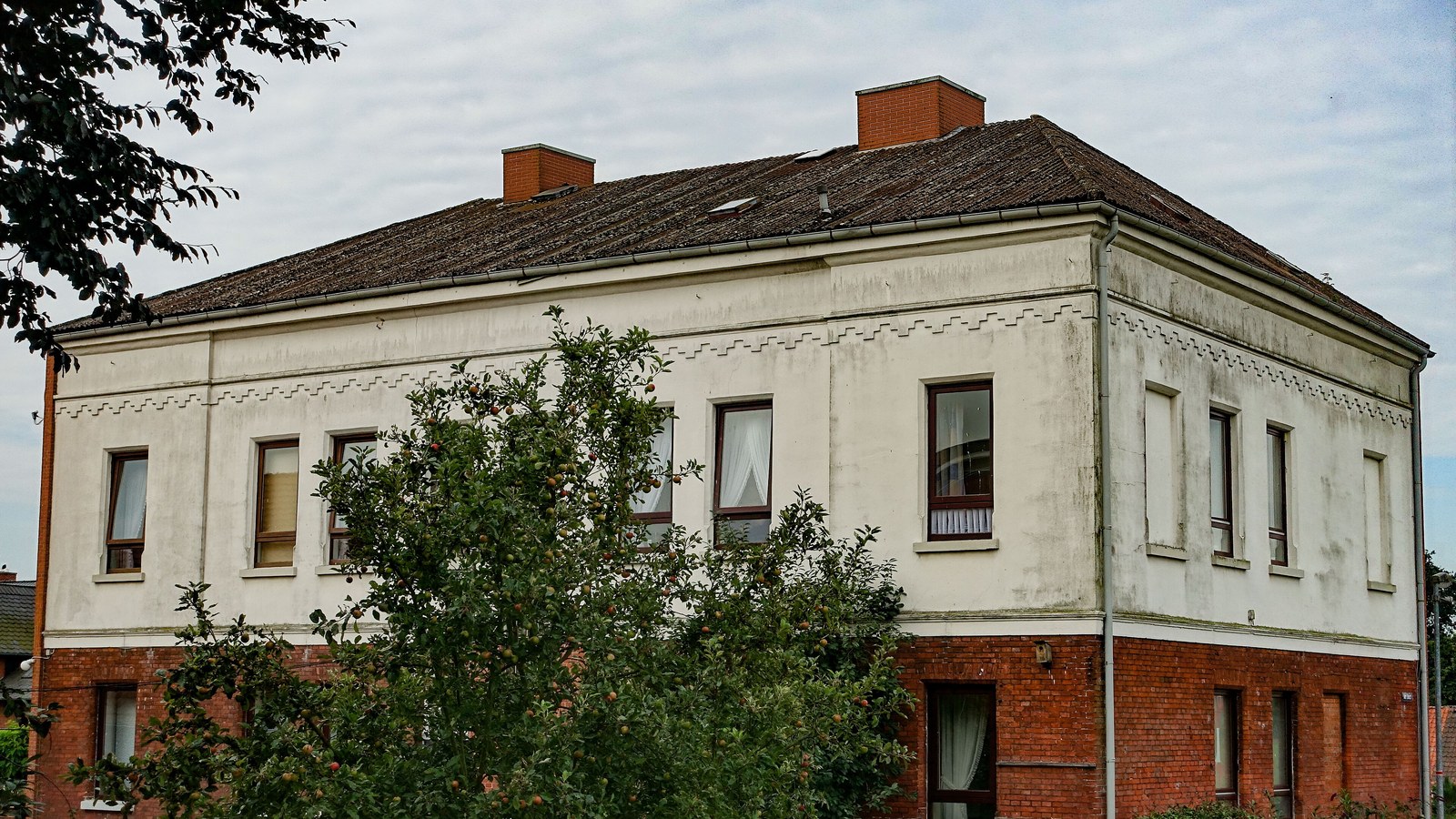
The cover is the former Amtshaus at Artlenburg on the Elbe.
Sources: Convention of Artlenburg; Schwertfeger, Geschichte der königlich Deutschen Legion 1803–1816.











0 Comments
No comments on this article yet. Be the first!