


In Lisbon, Lieutenant-Colonel George Murray, British quarter-master-general, and General of Division François Kellermann sign the definitive convention for the evacuation of the French army from Portugal. The instrument is dated 30 August 1808. The Duke of Abrantès, Jean-Andoche Junot, ratifies it the same day. It is not the armistice of 22 August, and it is not the battle of Vimeiro.
On 21 August Sir Arthur Wellesley beats Junot’s troops at Vimeiro. Sir Harry Burrard arrives, then, the next day, Sir Hew Dalrymple, who takes command. Wellesley wanted the heights of Torres Vedras, to cut the retreat; he is ordered to stand. Kellermann comes with a flag of truce. On 22 August Wellesley and Kellermann stop the fighting: the French are not prisoners of war; they leave with arms, baggage and private property; artillery of French calibre and the cavalry horses go to France; the Russian fleet in the Tagus remains, for the moment, neutral — an article Admiral Sir Charles Cotton later rejects.
The convention of 30 August rests on that armistice, but is subject to ratification by the land commanders and by the admiral at the mouth of the Tagus. The places and forts occupied by the French are delivered to the British army in the state they are in at signature. The troops evacuate Portugal with their arms and baggage, are not prisoners and, once in France, may serve again. The English government furnishes the ships: disembarkation between Rochefort and Lorient, inclusive.
Artillery of French calibre leaves with its horses and with sixty rounds a gun; the rest of the arms, ammunition and arsenals remains to the British. The military chest, the carriages of the field commissariat and of the field hospitals go with the army, or are sold on its account. The cavalry and the officers wish to embark their horses, but the means are few: at most six hundred horses for the troops and two hundred for the staff.
Embarkation, in three divisions, begins within seven days of ratification. The garrisons of Elvas, Peniche and Palmela embark at Lisbon; that of Almeida, at Oporto. The forts of São Julião, Bugio and Cascais pass to the British on ratification; Lisbon and its citadel, with the second division. Doubts of meaning are explained in favour of the French army.
Arrears of contributions from the occupation of December 1807 are cancelled. Frenchmen and their allies settled in Portugal keep their property for a year. Portuguese who served the French administration are not answerable for political conduct. The Spanish troops held on ships in the port of Lisbon are given up to the British, who ask in return for Frenchmen detained in Spain after 29 May. An exchange of prisoners; hostages of field-officer rank. Junot may send an officer to Bordeaux or Rochefort, in a British ship.
The additional articles, still of 30 August, leave subsistence on the French magazines until embarkation. About 20,900 men leave; Junot reaches Rochefort on 11 October. In England the news from Vimeiro turns to public anger. The inquiry at the Royal Hospital Chelsea, from 14 November to 27 December, clears all three; Burrard and Dalrymple never again receive an active command. Wellesley returns to Portugal.
It is not the Treaty of Fontainebleau of 1807, and it is not the convention of 3 September between Cotton and Vice-Admiral Seniavin for the Russian fleet in the Tagus. The signatures of 30 August are Murray’s and Kellermann’s; the ratification, the Duke of Abrantès’s. Dalrymple writes from Cintra.
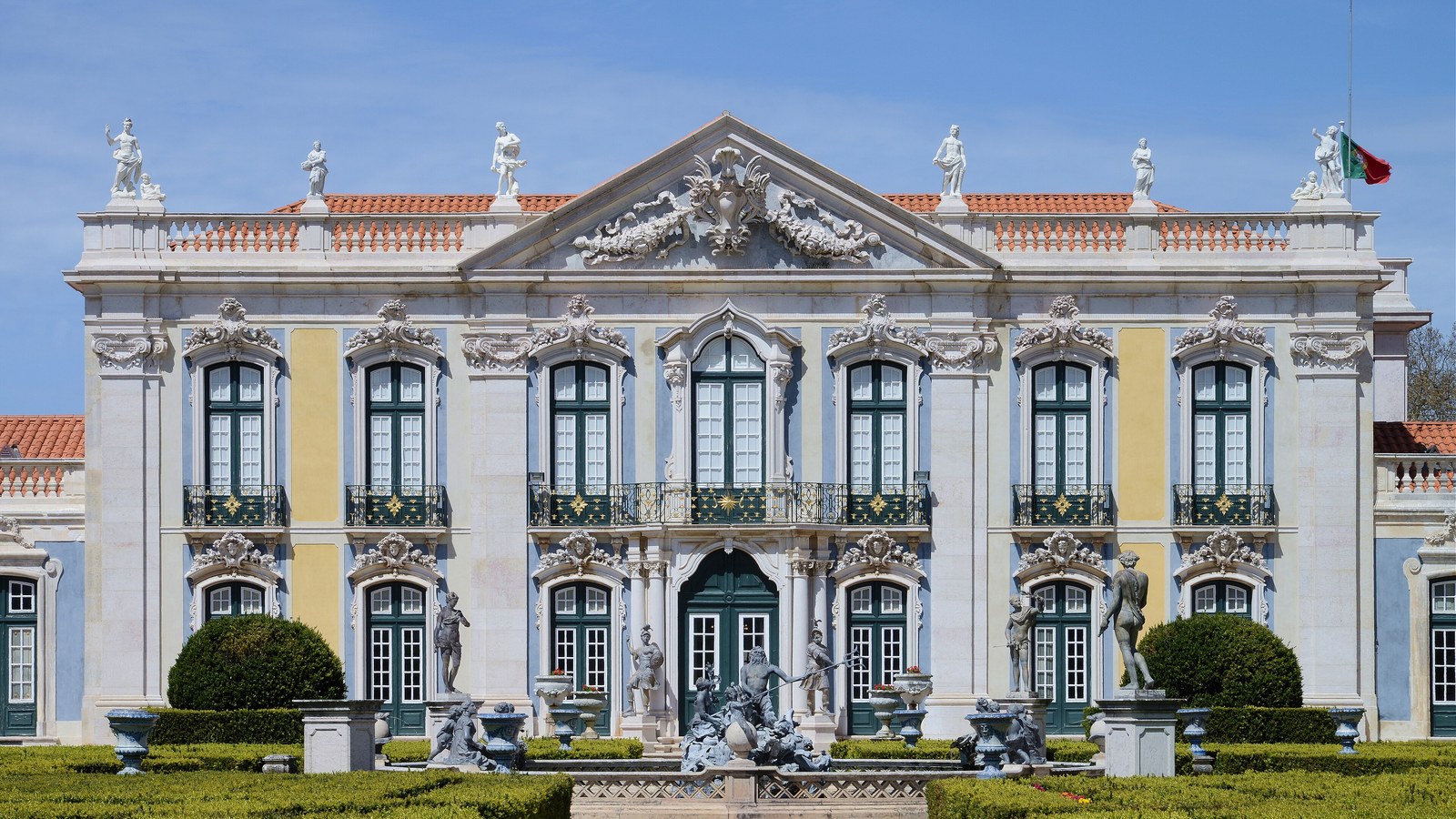
Image: National Palace of Queluz; Alvesgaspar, 2018; CC BY-SA 4.0, Wikimedia Commons. Cropped to 16:9.
Source consulted: Convention of Cintra. Treaty text: Definitive Convention for the Evacuation of Portugal, 30 August 1808 (text).











0 Comments
No comments on this article yet. Be the first!