


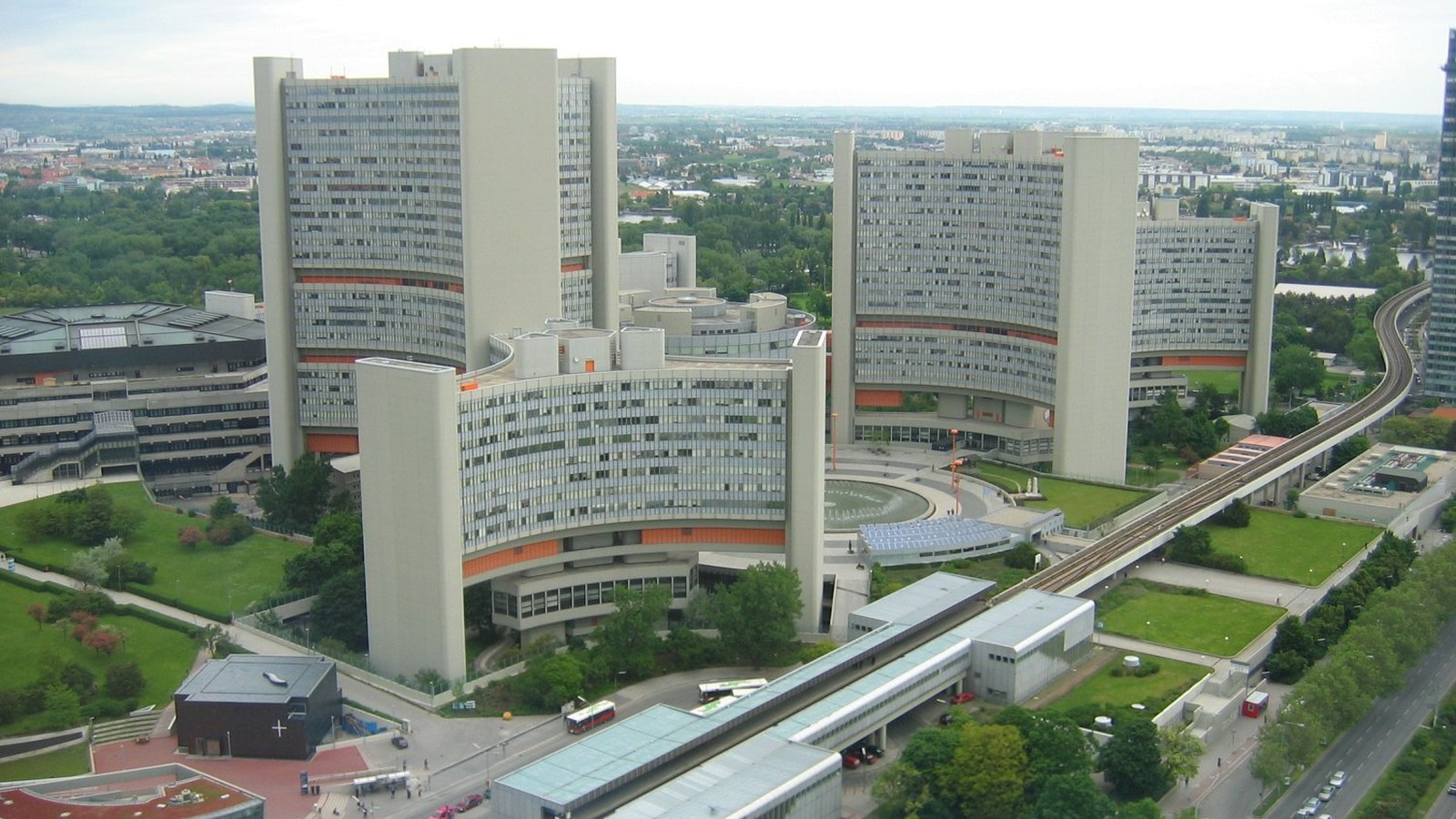
The Convention on Nuclear Safety was opened for signature at the headquarters of the International Atomic Energy Agency in Vienna on 20 September 1994, during the thirty-eighth regular session of the General Conference, remaining open until entry into force. It had been adopted on 17 June at a diplomatic conference held at the same place. The Arabic, Chinese, English, French, Russian and Spanish texts are equally authentic. Depositary: the Director General of the IAEA. It is not the 1986 Early Notification Convention, nor the 1986 Assistance Convention, which the preamble only recalls.
Article 1, objectives: a high level of nuclear safety through national measures and co-operation; effective defences against radiological hazards; the prevention of accidents with radiological consequences and the mitigation of those consequences if they occur. Article 2 confines a “nuclear installation” to land-based civil nuclear power plants, plus on-site related facilities; a plant ceases to be an installation once fuel has been permanently removed and a decommissioning programme has been agreed. Article 3: the Convention applies to the safety of those installations. The preamble states that the commitment is to fundamental safety principles, not detailed standards.
Articles 4 to 6: domestic legislative measures; a report before each review meeting; a review of existing installations and, where necessary, reasonably practicable upgrades or shutdown, taking the energy context and social impact into account. Articles 7 to 9: a legislative framework of licensing, inspection and enforcement; a regulatory body separate from the promotion of nuclear energy; prime responsibility on the licence holder. Articles 10 to 15, still at high level: priority to safety, resources, human factors, quality assurance, assessment and verification, and ALARA radiation protection, without an operating handbook.
Article 16 requires on-site and off-site emergency plans, tested, and information for the public and neighbouring States, at high level, without a response protocol. Articles 17 to 19 require procedures for siting, design with defence in depth, and licensed operation, still as principles, not a design guide. Articles 20 to 28: peer-review meetings, the first no later than thirty months after entry into force, then at intervals of at most three years; IAEA secretariat; confidentiality of the review debates.
Article 29: disagreements are consulted in a meeting of the Parties. Article 30: ratification, then accession; regional integration organizations, without an extra vote. Article 31: entry into force on the ninetieth day after the twenty-second instrument, including seventeen from States each having at least one installation that has achieved criticality in a reactor core — 24 October 1996. Article 33: denunciation effective after one year. The 1997 Joint Convention on spent fuel is a later instrument, already flagged as needed in the preamble.
The text consulted is INFCIRC/449. The Convention is an “incentive” instrument: the main mechanism is peer review of national reports, not a single technical standard.
Cover: the Vienna International Centre, the IAEA’s headquarters when signature opened; we do not claim the hall. Wikimedia Commons, free licence.
Sources consulted: Convention on Nuclear Safety; INFCIRC/449 Convention on Nuclear Safety.











0 Comments
No comments on this article yet. Be the first!