


On 9 December 1923, in Geneva, the Convention and Statute on the International Regime of Maritime Ports was signed, together with a protocol of signature. They were adopted by the Second General Conference on Communications and Transit, which opened on 15 November. Authentic texts: French and English, in a single copy deposited with the Secretariat of the League of Nations. It is not the 1921 Barcelona Convention on Freedom of Transit and not the same-day Convention on the International Regime of Railways.
The preamble invokes Article 23(e) of the Covenant of the League of Nations, the resolution of the Genoa Conference of 10 April 1922 and Article 379 of the Treaty of Versailles, which provided for a general convention on ports. By Article 1 of the Convention the Contracting States accept the annexed Statute as an integral part. Article 2: the Convention does not affect rights and obligations arising from the Treaty of Versailles and the corresponding peace treaties.
Article 3: open for signature until 31 October 1924 by States represented at the Conference, Members of the League and States to which the Council has communicated a copy. Articles 4-5: ratification with the Secretary-General; accession from 1 November 1924. Article 6: the Convention will not come into force until it has been ratified in the name of five States; the date is the ninetieth day after receipt of the fifth ratification, hence 26 July 1926; thereafter, for each Party, ninety days; registration under Article 18 of the Covenant. Article 8: denunciation after five years from the date it came into force for that Party, taking effect one year later. Article 9: declarations excluding colonies. Article 10: revision may be demanded by one-third of the Contracting States.
Statute Article 1: maritime ports are those normally frequented by sea-going vessels and used for foreign trade. Article 2: subject to reciprocity and to Article 8 paragraph 1, each State undertakes to grant the vessels of every other Contracting State equality of treatment with its own vessels or those of any other State, as regards access, use of the port, and navigation and commercial operations, including berths, loading, unloading, dues and charges. Article 3: port authorities remain free to take measures for the proper conduct of the port, provided they comply with equality of treatment. Article 4: dues, by-laws and regulations shall be published before coming into force and kept open for inspection in the port.
Article 5: in assessing Customs and analogous duties the flag of the vessel must not be taken into account. Article 6: so that equality is not rendered ineffective, Articles 4, 20, 21 and 22 of the Statute on the International Regime of Railways, signed the same day, apply so far as they concern traffic to or from a maritime port. Article 7: Customs duties in a maritime port may not, in principle, exceed those levied at the other Customs frontiers. Article 8: after diplomatic notice, a State may suspend equality of treatment from vessels of a State which does not effectively apply the Statute; both may apply to the Permanent Court of International Justice under summary procedure.
Article 9: the Statute does not apply to the maritime coasting trade. Articles 10-11: towage and pilotage remain as each State thinks fit, subject to Articles 2 and 4; exemption from compulsory pilotage for nationals with the necessary qualifications. Article 12: a reservation on the transport of emigrants in specially authorised vessels. Article 13: applies to publicly or privately owned vessels, not to warships, police vessels or vessels of the armed forces. Article 14: does not apply to fishing vessels or their catches. Article 16: temporary deviation from Articles 2-7 in an emergency affecting the safety of the State. Article 18: does not prescribe the rights and duties of belligerents and neutrals in time of war, but continues in force so far as those rights and duties permit.
Articles 21-22: disputes are settled amicably, then by an advisory opinion of the League communications and transit organisation, then by arbitration or the Permanent Court. The Protocol of Signature, an integral part, includes ports of refuge, a British reservation on the Pilotage Act 1913, French ship-broker obligations, and the point that reciprocity does not exclude States which have no maritime ports. It is not the United Nations Convention on the Law of the Sea.
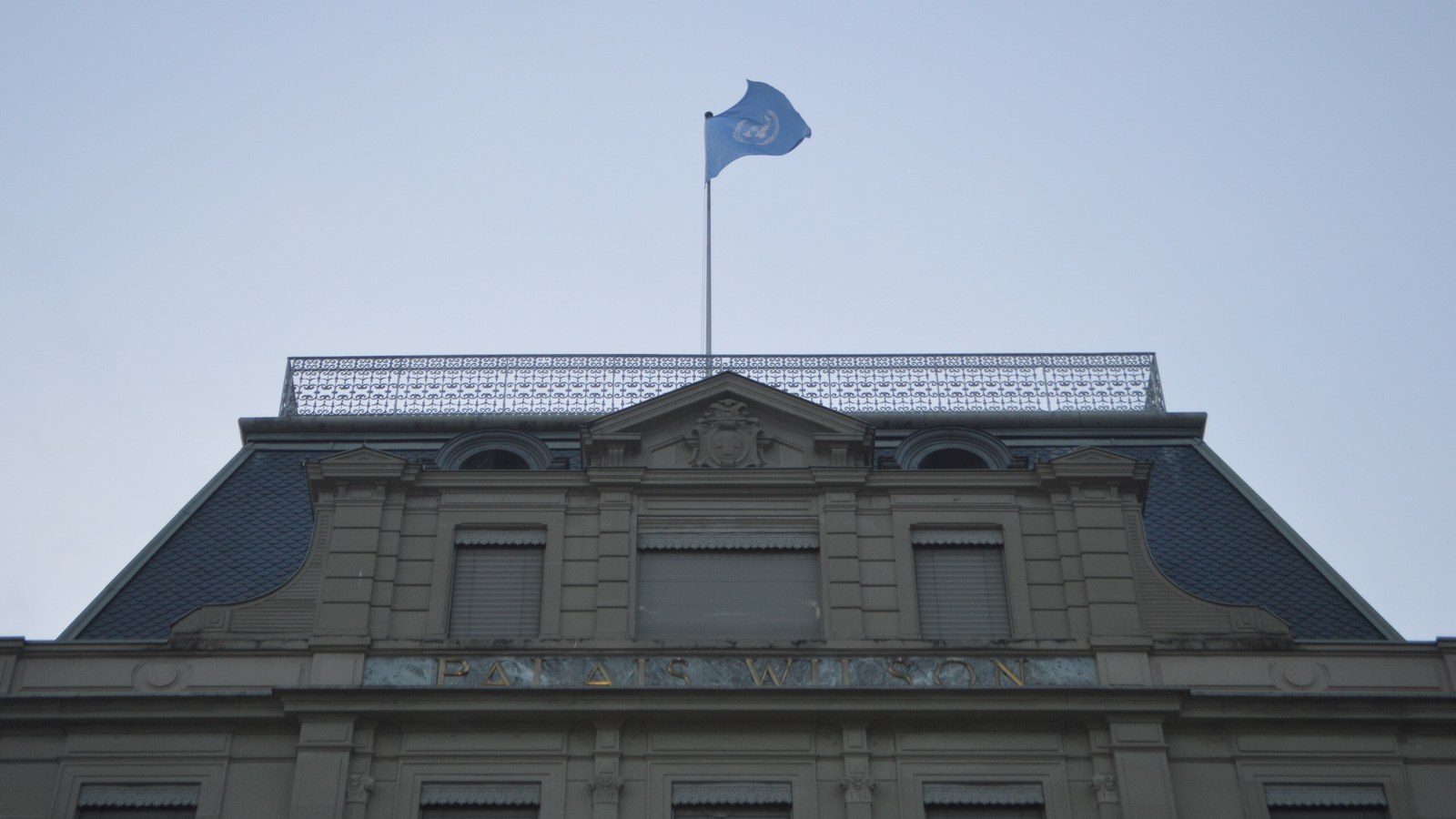
Image: Palais Wilson, Geneva; RomanDeckert, 15 November 2020; CC BY-SA 4.0, Wikimedia Commons. Cropped to 16:9.
Source consulted: Convention and Statute on the International Regime of Maritime Ports. Treaty text: Convention and Statute on the International Regime of Maritime Ports, Geneva, 9 December 1923.











0 Comments
No comments on this article yet. Be the first!