


The Convention on the Regulation of Antarctic Mineral Resource Activities, known as CRAMRA, was done at Wellington on 2 June 1988, at the final session of the Fourth Special Antarctic Treaty Consultative Meeting, the Chinese, English, French, Russian and Spanish texts being equally authentic. Depositary: the Government of New Zealand. It is not the Antarctic Treaty of 1 December 1959, which it complements, and not the 1991 Madrid Protocol on Environmental Protection, which superseded it. Article 60: open for signature at Wellington from 25 November 1988 to 25 November 1989, for States which participated in the final session. No State ratified it; it is not in force.
Article 2: the Convention is an integral part of the Antarctic Treaty system, whose prime purpose is that Antarctica shall continue forever to be used exclusively for peaceful purposes. It provides a means of assessing impact, determining whether mineral resource activities are acceptable, governing such activities as may be found acceptable, and ensuring strict conformity with the text. Article 3: no Antarctic mineral resource activities except in accordance with the Convention and, for exploration or development, a Management Scheme. A prospecting, drilling or concession protocol is not transcribed.
Chapter II, at framework level, creates an Antarctic Mineral Resources Commission, a Scientific, Technical and Environmental Advisory Committee and area Regulatory Committees. Article 36: the working languages of the institutions are the four languages of the Antarctic Treaty, with Chinese among the authentic originals. Article 62: it would have entered into force on the thirtieth day after sixteen instruments of Consultative Parties which participated in the final session, including five developing and eleven developed countries, so that all institutions could be established for every area of Antarctica. That condition was never met.
Article 61: ratification, acceptance or approval; after the close of signature, accession by any Contracting Party to the Antarctic Treaty. Article 63: reservations are not permitted. Article 65: withdrawal effective after two years. Article 67: deposit at Wellington and registration with the United Nations. After France and Australia declined to proceed, consultations moved toward the Madrid Protocol, whose Article 7 prohibits any activity relating to mineral resources other than scientific research.
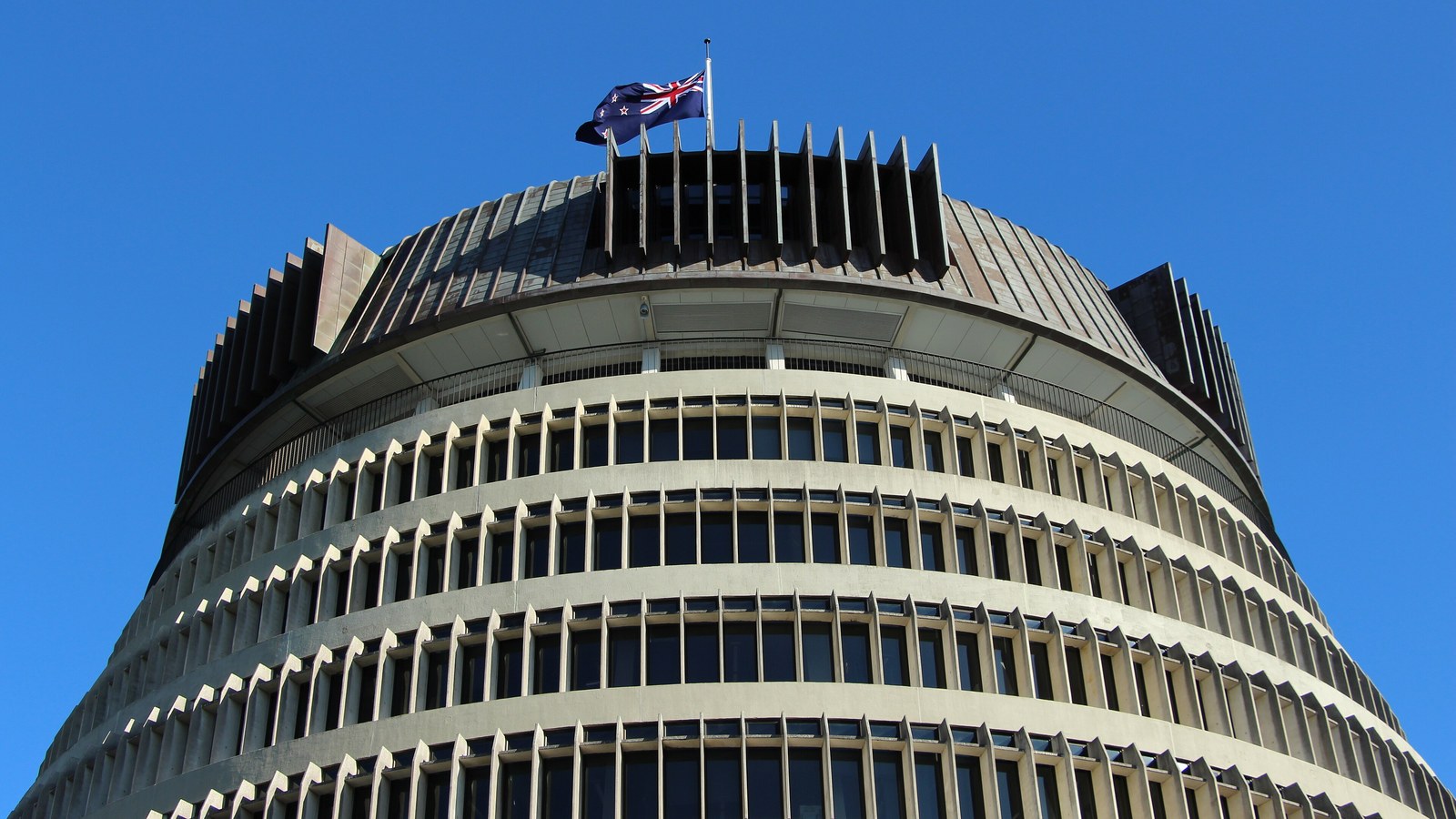
Cover: Parliament in Wellington, place of the conference; we do not claim the hall. Wikimedia Commons, free licence.
Sources consulted: Convention on the Regulation of Antarctic Mineral Resource Activities; Convention on the Regulation of Antarctic Mineral Resource Activities (Antarctic Treaty Secretariat).











0 Comments
No comments on this article yet. Be the first!