


On 9 December 2011, in Brussels, the 27 Member States of the European Union and the Republic of Croatia signed the Treaty concerning the accession of the Republic of Croatia to the European Union. The preamble: Article 49 TEU; Croatia has applied to become a member; the Council, after obtaining the opinion of the Commission and the consent of the European Parliament, has declared itself in favour of admission. For Croatia, the plenipotentiaries named in the text are Ivo Josipović and Jadranka Kosor. Done at Brussels, in a single original in 24 equally authentic languages, including Croatian, Irish and Romanian; deposited in the archives of the Government of the Italian Republic, which shall transmit a certified copy (Article 4). OJ L 112, 24 April 2012, pp. 10–110; Croatian version, L 300, 9 November 2013.
Article 1(1): the Republic of Croatia hereby becomes a member of the European Union and of the European Atomic Energy Community. Article 1(2): it becomes a Party to the TEU, the TFEU and the Euratom Treaty as amended or supplemented. Article 1(3): the conditions of admission and the adjustments are set out in the Act annexed to this Treaty; the provisions of that Act form an integral part of this Treaty. Article 2: the provisions concerning the rights and obligations of the Member States and the powers and jurisdiction of the institutions, as set out in the Treaties to which Croatia becomes a Party, shall apply in respect of this Treaty.
Article 3(1): ratification by the High Contracting Parties in accordance with their respective constitutional requirements; instruments deposited with the Government of the Italian Republic by 30 June 2013. Article 3(2): by ratifying this Treaty, Croatia is also deemed to have ratified or approved any amendments to the Treaties referred to in Article 1(2) open under Article 48 TEU at the moment of Croatia’s ratification, as well as acts of the institutions which enter into force only after approval by the Member States. Article 3(3): this Treaty shall enter into force on 1 July 2013 provided that all the instruments of ratification have been deposited before that date. Article 3(5): Article 36 of the Act applies upon signature of this Treaty.
The Act, Article 2: from the date of accession, the original Treaties and the acts adopted by the institutions before accession shall be binding on Croatia. Article 4 of the Act: the Schengen acquis listed in Annex II shall be binding on and applicable in Croatia from the date of accession; the remaining Schengen provisions shall be binding from accession but shall apply only pursuant to a Council decision after evaluation. Article 5 of the Act: from the date of accession Croatia shall participate in Economic and Monetary Union as a Member State with a derogation within the meaning of Article 139 TFEU. Accession does not mean automatic euro-area membership or immediate full Schengen application.
Article 36 of the Act: the Commission shall closely monitor all commitments undertaken in the accession negotiations — judiciary and fundamental rights (Annex VII), including judicial reform and efficiency, impartial handling of war-crimes cases and the fight against corruption; freedom, security and justice; competition policy, including the restructuring of the shipbuilding industry (Annex VIII) and of the steel sector (Annex IX). Monitoring reports; the Council, acting by qualified majority, may take appropriate measures. Articles 37 to 39: safeguard clauses, for up to three years after accession. Wikipedia states that there is no monitoring mechanism of the kind used for Bulgaria and Romania; Article 36 of the Act is precisely such a mechanism.
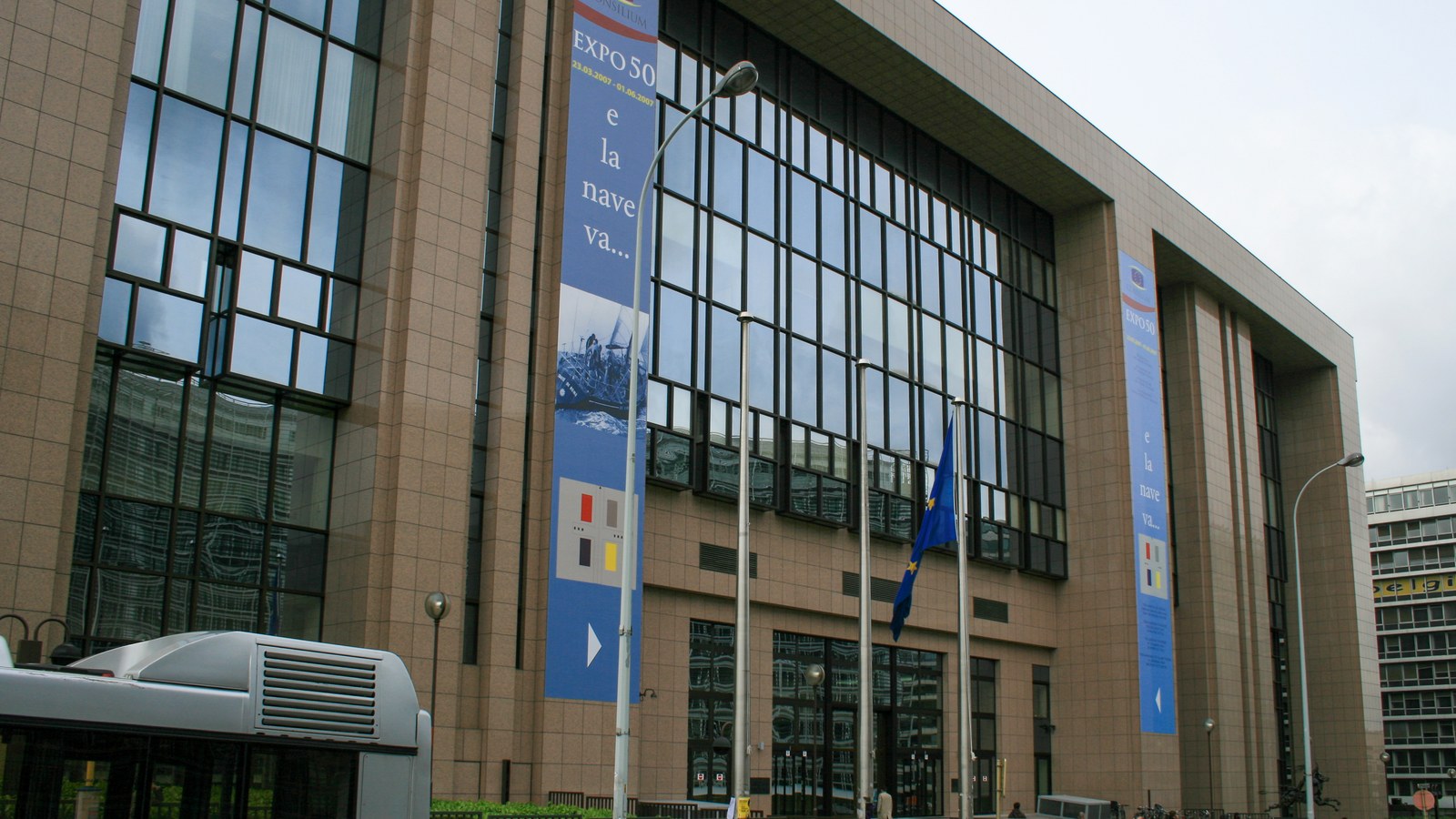
The Justus Lipsius building, Brussels, seat of the Council of the Union. The city of signature, not the signing room. Wikimedia Commons, free licence.
For context: Treaty of Accession 2011. The text: EUR-Lex, Treaty concerning the accession of the Republic of Croatia to the European Union.











0 Comments
No comments on this article yet. Be the first!