


On 8 December 2004, in Cusco, the presidents of the South American countries signed the Cusco Declaration on the South American Community of Nations, at the Third South American Presidential Summit. The occasion: the commemoration of Junín and Ayacucho and of the calling of the Amphictyonic Congress of Panama. The text invokes Simón Bolívar, Antonio José de Sucre and José de San Martín. Signatories, as listed on the blocks: Peru, Argentina, Bolivia, Brazil, Chile, Colombia, Ecuador, Guyana, Paraguay, Suriname, Uruguay and Venezuela. The closing formula: signed in the city of Cusco, on the eighth day of the month of December of the year 2004. It is a political founding declaration, not a treaty with an entry-into-force clause.
Part I: the Community is formed in light of a shared history since independence; a shared South American identity and common values — democracy, solidarity, human rights, freedom, social justice, respect for territorial integrity, diversity, non-discrimination, autonomy, the sovereign equality of States and the peaceful settlement of disputes. Convergence of political, economic, social, cultural and security interests. Access to better living standards cannot be reduced to sustained growth: a more just distribution of income, education, cohesion and inclusion, the environment and sustainable development, with recognition of asymmetries. Development of the interior regions of the South American space.
The same chapter: the fight against poverty, the elimination of hunger, decent employment, health and education. Peace and international security, international law, a renewed multilateralism. Democratic systems of government, the Inter-American Democratic Charter, the fight against corruption. An integrated South American space in the political, social, economic, environmental and infrastructure dimensions, articulated with other integration experiences, to give Latin America and the Caribbean greater weight in international forums. Integration, the text says, is and must be an integration of the peoples.
Part II: political and diplomatic concertation; deepening of the convergence among MERCOSUR, the Andean Community and Chile through the perfecting of the free-trade area, drawing on Resolution 59 of the ALADI Council of Ministers of 18 October 2004, and its evolution toward higher phases of economic, social and institutional integration. Suriname and Guyana associate themselves, without prejudice to their obligations under the Revised Treaty of Chaguaramas. Physical, energy and communications integration; harmonization of rural and agri-food policies; technology transfer and horizontal cooperation in science, education and culture; interaction between firms and civil society, with corporate social responsibility. The text does not provide for a regional parliament or a common currency.
Part III: progressive joint action on the basis of existing institutions, without new financial expenditure. Foreign ministers are to prepare courses of action: Heads of State as the highest political instance; foreign ministers as the executive level. Cooperation with MERCOSUR, the Andean Community, ALADI and the Amazon Cooperation Treaty Organization. Meetings of Heads of State and of foreign ministers replace the South American Summits. Peru holds the pro tempore secretariat until the first Heads of State meeting, in Brazil, in 2005; the second meeting in Bolivia. The UNASUR Constitutive Treaty, signed in Brasília on 23 May 2008, is a later instrument, not this text.
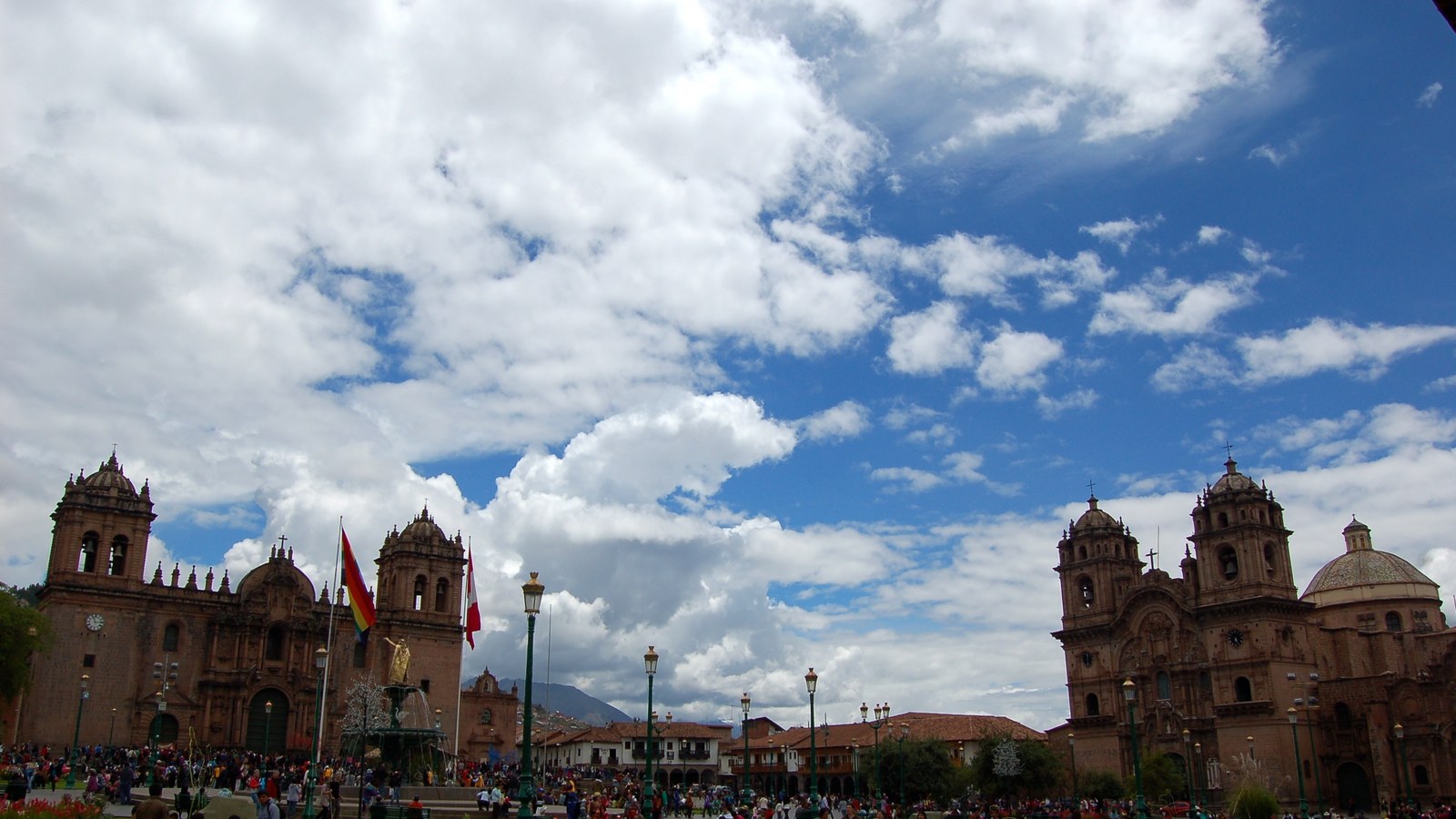
Plaza de Armas, Cusco, the city of signature, not the signing room. Wikimedia Commons, free licence.
For context: Cusco Declaration. The text: IIRSA, Declaración del Cusco sobre la Comunidad Sudamericana de Naciones.











0 Comments
No comments on this article yet. Be the first!