


After Operations Flash and Storm in 1995, Krajina collapsed: more than 200,000 Croatian Serbs left. Only Eastern Slavonia, Baranja and Western Syrmia remained — a long border with Serbia, dependent on Belgrade and Novi Sad. The Z-4 Plan, put forward by the mini Contact Group in Zagreb, gave Krajina constitutional autonomy and Eastern Slavonia only a two-year transition, without special autonomy. The leadership in Knin refused the draft. The international community feared that a Croatian intervention on the Danube would pull the Federal Republic of Yugoslavia into war. Franjo Tuđman made Croatian participation at Dayton conditional on a settlement in Eastern Slavonia; Washington wanted to avoid a new escalation before the 1996 presidential election.
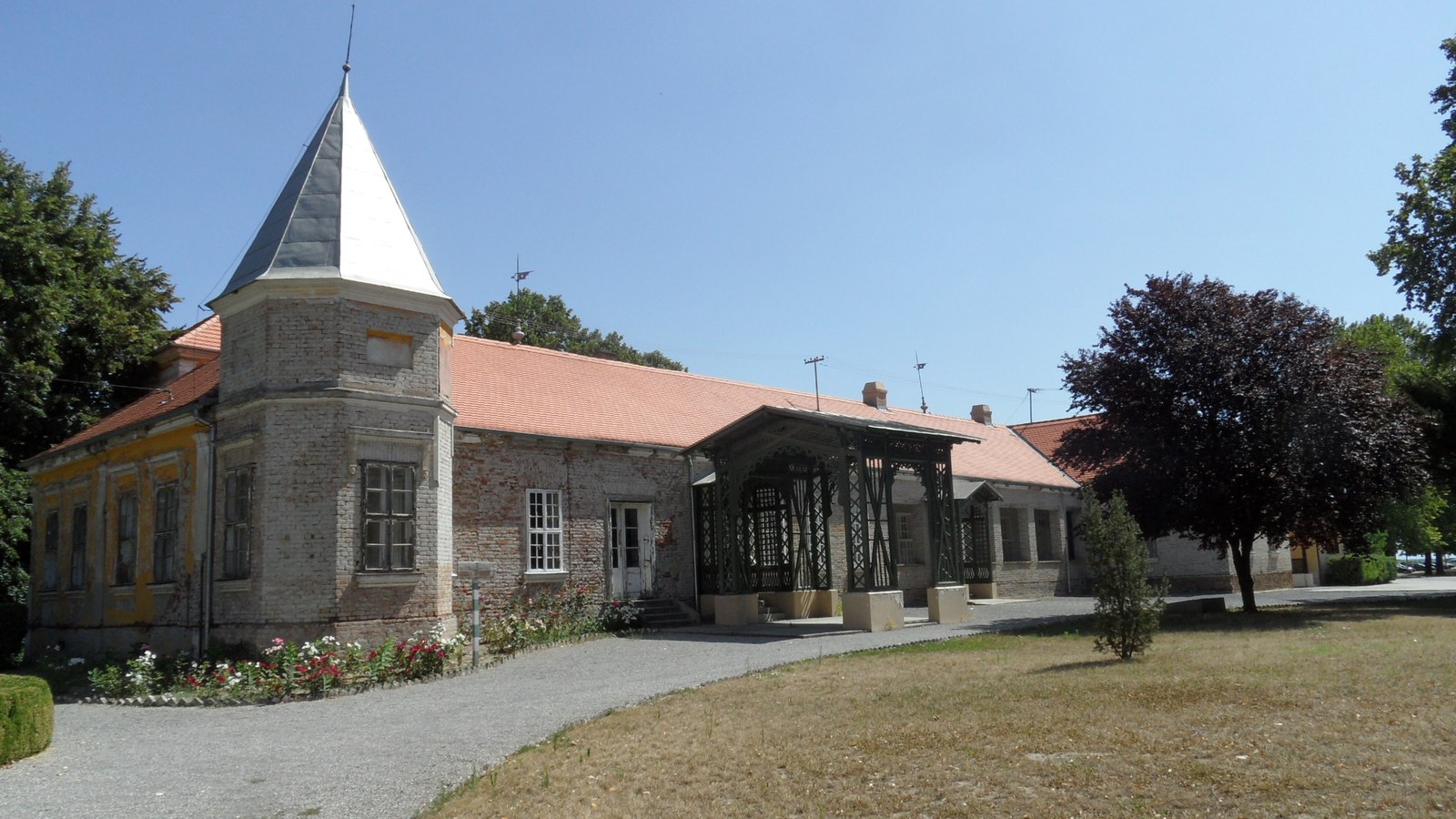
The Basic Agreement on the Region of Eastern Slavonia, Baranja and Western Sirmium was concluded on 12 November 1995. At 1 p.m. Milan Milanović signed the 14 points at the Yellow House in Erdut, the Adamovich-Cseh castle, for the local Serb authorities of the self-proclaimed Republic of Serbian Krajina, under instructions from Belgrade. At 5 p.m. Hrvoje Šarinić signed at the Presidential Palace in Zagreb. The witnesses were Peter Galbraith, the United States ambassador to Croatia, and Thorvald Stoltenberg, the United Nations mediator. The text was circulated to the General Assembly and the Security Council as A/50/757–S/1995/951. Resolution 1023 took note of it; the United Nations Transitional Authority (UNTAES) followed.
Point 1 sets a transitional period of 12 months, extendable once by the same duration at the request of one of the parties. Point 2 asks the Security Council for a Transitional Administration to govern the region in the interest of all persons resident in or returning to it. Point 3 asks for an international force; demilitarization — military forces, weapons and police, except the UN force and police under the Administration’s supervision — is to be finished not later than 30 days after deployment.
Points 4 and 7 guarantee the return of refugees and displaced persons, with the same rights for those who left the region and those who came from the rest of Croatia. Points 8–9 restore property taken by unlawful acts or that people were forced to abandon, with just compensation and assistance in reconstruction, without regard to ethnicity. Point 5 requires temporary mixed police, professionalised. Point 6 requires the highest internationally recognised human rights and fundamental freedoms.
Point 12, not later than 30 days before the end of the transition, provides for local elections organised by the Administration, overseen by the OSCE and the UN, and the right of the Serbian community to appoint a Joint Council of Municipalities — the basis of today’s council of that name. Point 13 binds Zagreb to co-operate and authorises international monitors along the region’s international border. Point 14: the agreement enters into force when the Security Council adopts a resolution responding affirmatively to the requests.
Territorial autonomy, which Clinton wanted on Z-4 lines, was rejected by both Knin and Zagreb. UNTAES became the supreme authority — one of the few UN protectorates. After the mandate, minority institutions (the Serb National Council, Novosti, Radio Borovo) operated under Croatian law. In February 2020 Ukrainian diplomats cited Erdut as a comparable precedent for Minsk II.
Sources: Erdut Agreement; United Nations, Basic agreement on the region of Eastern Slavonia, Baranja and Western Sirmium (A/50/757–S/1995/951).











0 Comments
No comments on this article yet. Be the first!