
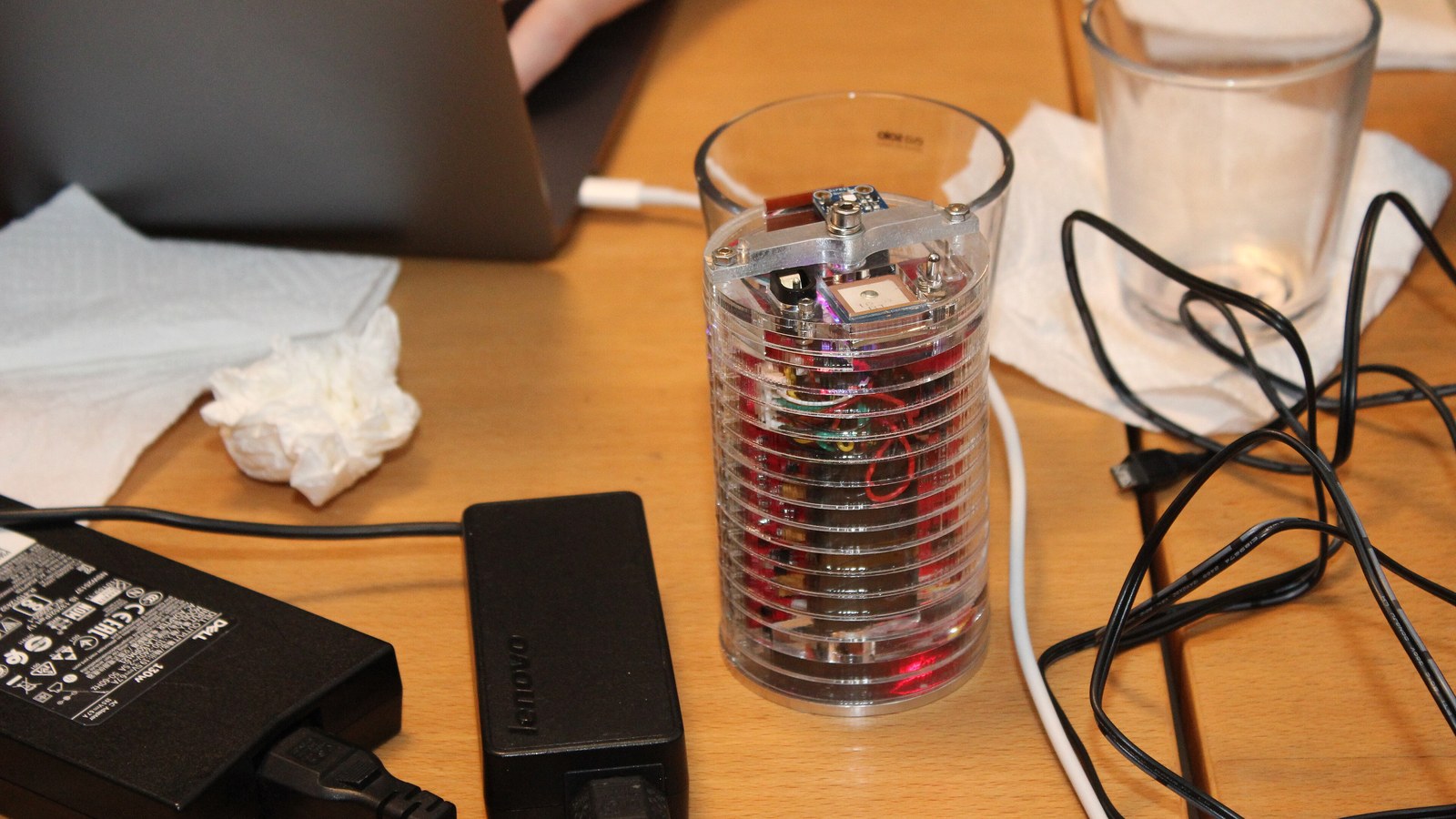
The European Space Agency reopened the 2026–2027 CanSat educational challenge on 16 September. Students aged 14–19, in teams of three to six, are asked to design, build and launch a system that reproduces basic satellite functions inside the volume of a soft-drink can.
A CanSat is not an orbital satellite. It is a simulation: the device is carried aloft by a rocket, drone, platform or balloon, then released, typically to measure temperature and pressure and to send data during descent. Teams may add a secondary mission of their own.
The project follows the stages of a real mission at small scale: choosing objectives, design, integration, testing, launch and data analysis. It combines physics, electronics, programming and teamwork. National contests are run by ESERO offices and partners in ESA member states, plus Canada, Latvia, Lithuania and Slovakia.
Registration opens on 16 September 2026, though dates vary by country. The winning team from each national contest is invited to the CanSat Engineering Summit at ESTEC in Noordwijk in June 2027.
Teams work with sensors, electronics, programming and communications, under strict size and mass limits. The experience remains educational: it reproduces mission stages and does not put a satellite into orbit.
ESA uses the programme to draw students towards engineering and the space sector, not to put satellites into orbit.
Image: Oz1sej, the Danish Cans team at a CanSat competition, 6 May 2019. Wikimedia Commons, CC BY-SA 4.0. Not a photograph of the 2026–2027 edition. Cropped to 16:9.
Source consulted: ESA CanSat; ESA — Back to School 2026-2027: 5 school projects to engage your students in STEM.




0 Comments
No comments on this article yet. Be the first!