


In Managua, on 24 March 1928, Colombia and Nicaragua sign the Treaty on Territorial Questions (Esguerra–Bárcenas / Bárcenas Meneses–Esguerra Treaty). The plenipotentiaries are Manuel Esguerra (Colombia) and José Bárcenas Meneses (Nicaragua). Ratifications are exchanged in Managua on 5 May 1930.
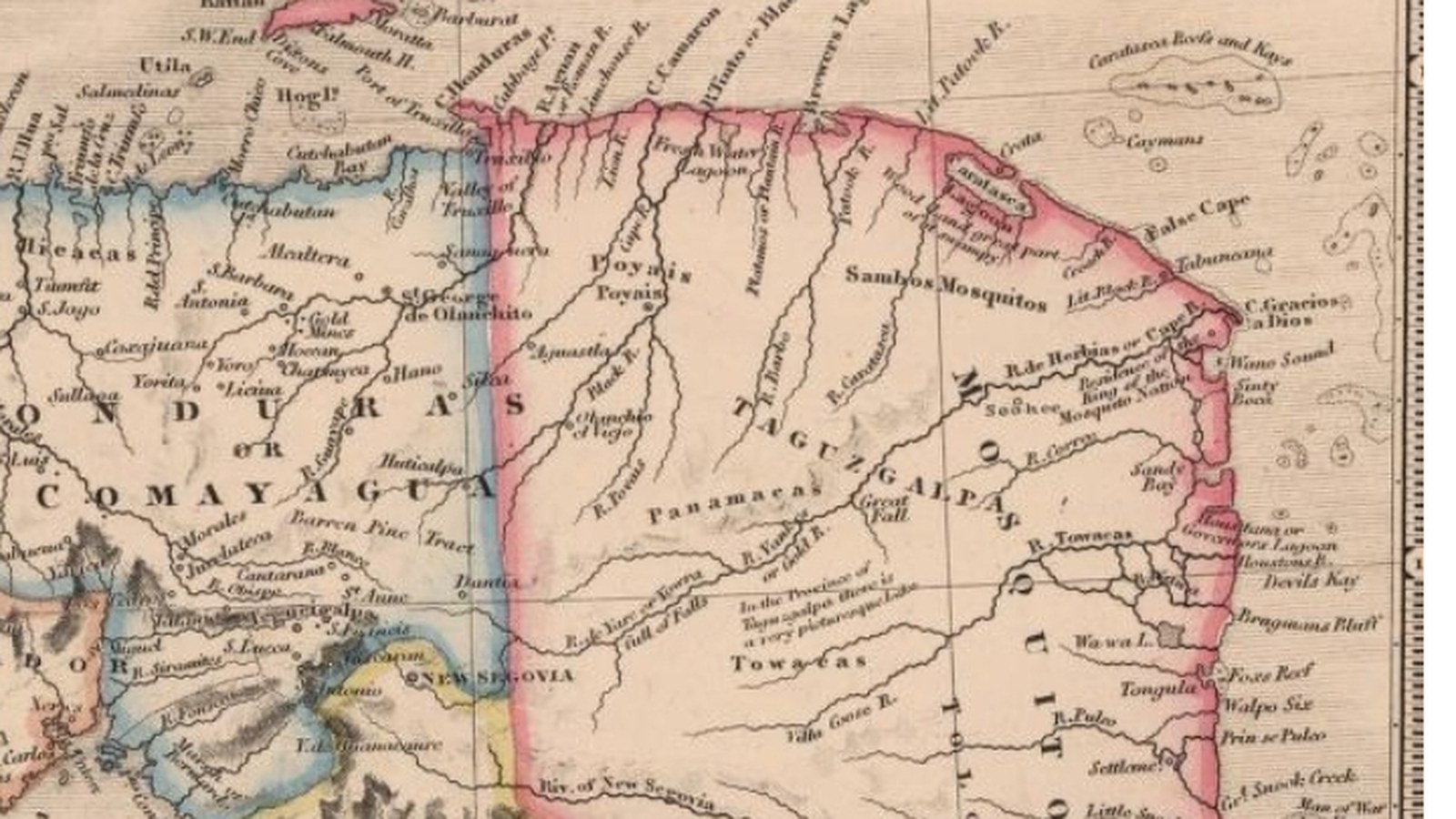
Article I: Colombia recognises Nicaragua’s sovereignty over the Mosquito Coast (from Cape Gracias a Dios to the San Juan River) and over the Corn Islands (Mangle Grande and Mangle Chico). Nicaragua recognises Colombia’s sovereignty over the San Andrés, Providencia and Santa Catalina archipelago and its other islands, islets and cays.
The Roncador, Quitasueño and Serrana cays are excluded, being in dispute between Colombia and the United States. The treaty is signed during the U.S. occupation of Nicaragua; Managua tries to keep the signature secret before the presidential elections.
The dispute traces to the 1803 Royal Order (transferring Mosquito Coast defence to the Viceroyalty of New Granada) and to Colombian protests against the Chamorro–Bryan Treaty (1914). The 1930 Protocol accompanies the exchange of ratifications.
In 1980 the Sandinista junta declares the treaty void, citing duress under occupation. In 2001 Nicaragua seises the ICJ. On 13 December 2007 the Court confirms Colombian sovereignty over San Andrés, Providencia and Santa Catalina and over the contested cays, while rejecting the 82°W meridian as the maritime boundary.
The Esguerra–Bárcenas Treaty of 24 March 1928 remains the bilateral act that divided the Mosquito Coast and the San Andrés archipelago between Nicaragua and Colombia, with litigation lasting into the twenty-first century.
Image: San Andrés; Wikimedia Commons. Cropped to 16:9.
Source consulted: Esguerra-Bárcenas Treaty. Treaty text: Treaty on Territorial Questions Colombia–Nicaragua (Sogeocol).











0 Comments
No comments on this article yet. Be the first!