


Job quality in the European Union has improved over the past decade, especially in pay, job security and working time. That is the finding of the Commission’s “European Employment and Social Outlook 2026,” published on 13 October. Jurnalul carried the Mediafax summary on 18 October. It is not a law and not hiring advice.
Better jobs cluster in information and communication, finance and insurance, public administration and professional, scientific and technical work. Weaker conditions show up more often in accommodation and food, administrative and support services and some lower-skilled occupations. Labour shortages are often sharpest where hours are atypical, posts are insecure and pay is low.
Some member states still recorded falls in at least two job-quality indicators, even as the EU average rose. The report ties wages to productivity: sustainable pay growth needs more productive firms; higher wages, including minima, can push investment and innovation instead of competition only on labour cost. After the Adequate Minimum Wages Directive, minima rose especially in lower-wage countries.
In 2026, real EU wages are, on the Commission’s figures, 1.4% above the pre-pandemic level, after the losses of 2022 and 2023. The labour market stayed resilient in 2025: employment 76.1%, unemployment at a 6% low. For 2026 the Commission expects the energy shock linked to the Middle East conflict to slow employment growth, not stop it: about 440,000 fewer jobs than in the baseline.
Artificial intelligence can lift productivity and also cut demand for entry-level and routine posts. Over-use of automated tools, the report says, risks weakening critical thinking and needing more human oversight. Less experienced workers gain productivity quickly but struggle to spot errors. Training, representation and social dialogue remain, in the Commission’s text, conditions, not guarantees.
Later in 2026 the Commission intends to present a Quality Jobs Act, after the second-stage consultation of EU social partners. That is an announced intention, not an adopted act. The employment and real-wage figures are those in the annual report, not a company forecast.
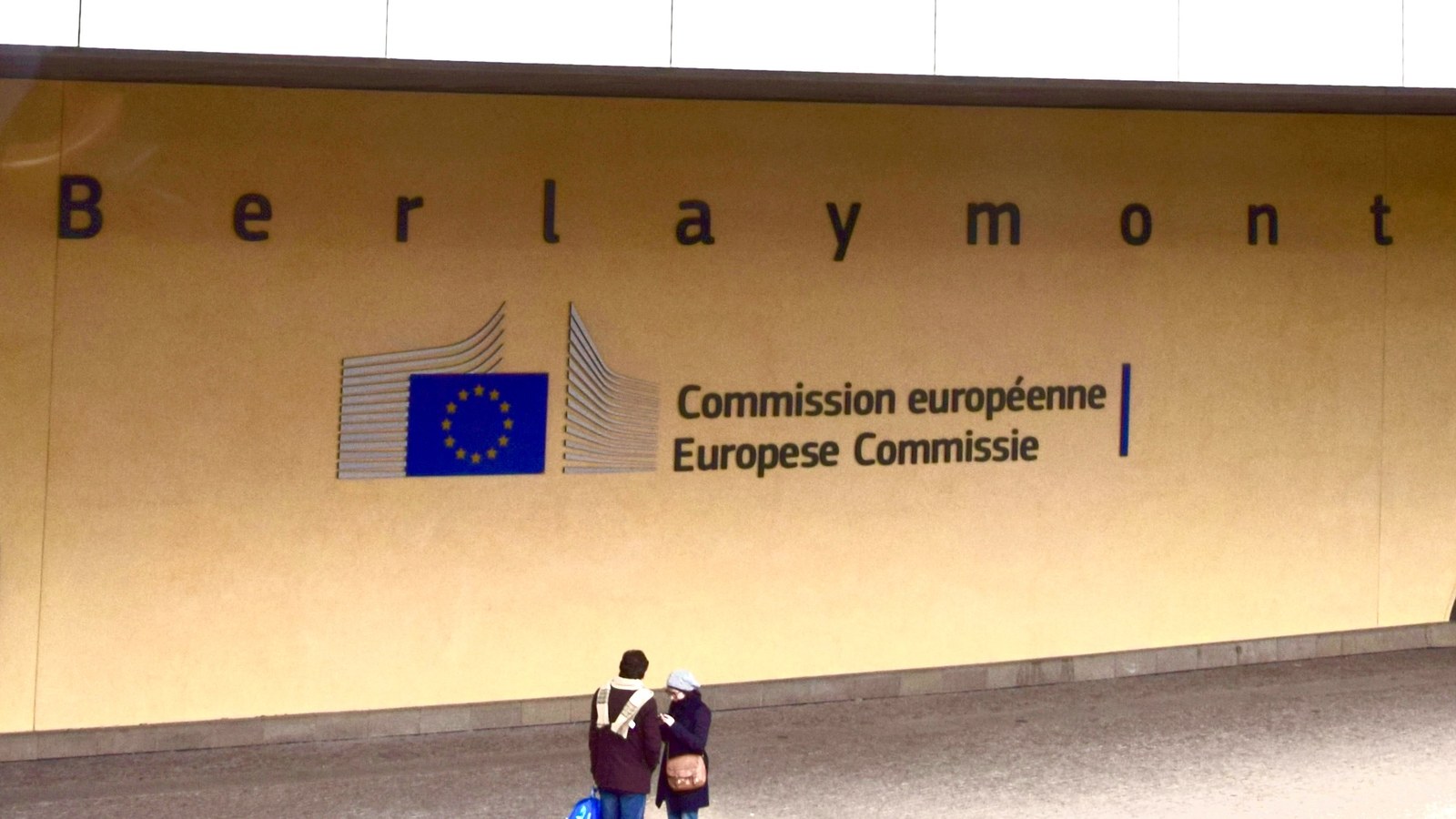
Image: Ank Kumar, European Commission headquarters, Berlaymont, Brussels, CC BY-SA 4.0, Wikimedia Commons; the building, not the 13 October 2026 report launch.
Sources consulted: The EU labour market under pressure in 2026 - Jurnalul; Job quality is a priority in the EU, according to annual Commission report - European Commission.










0 Comments
No comments on this article yet. Be the first!