

The European Commission has adopted a new package for fair labour mobility, with measures aimed at faster recognition of professional qualifications, the digitisation of social-security documents and stronger controls against abuses affecting mobile workers.
The package was presented by the European Commission on 15 September 2026 and is of direct interest to millions of people who live or work in a Member State other than the one they come from.
One of the central changes is the European Social Security Pass. According to the Commission, it will allow social-security documents to be requested and received fully online, including the European Health Insurance Card and portable document A1.
A1 is especially important for posted workers, because it shows which social-security system applies to them during a temporary period of work in another country.
The documents will be able to be stored and presented through the EU Digital Identity Wallet, and administrations will be able to verify their authenticity more quickly and under secure conditions.
A second important component concerns professional qualifications. The Commission says these will be able to be issued in a standardised digital format, available in the European digital identity wallet.
For regulated professions such as doctor, nurse, engineer or teacher, the Commission proposes a mandatory digital procedure that would cut the time for cross-border recognition from three months to five weeks.
Through common training frameworks, the European executive also intends to extend automatic recognition to certain professions in which there is a staff shortage. The first such framework has already been adopted for physiotherapists, according to the Commission.
The package also includes common standards for recognising qualifications obtained outside the European Union, both for EU citizens and for professionals from third countries. The stated objective is to complete these procedures within a maximum of four months.
Another pillar concerns the European Labour Authority. The Commission proposes stronger tools to support Member States in enforcing European labour law.
There would be national inspection liaison officers, and ELA’s mandate would more clearly cover tackling abuses against third-country nationals working in the EU and illegal work.
For Romanians working in other Member States, the measures are relevant in particular through A1 documents, the European health card, the recognition of qualifications and cross-border inspections.
There is, however, an essential caveat: the measures are not all already applicable. The Commission has adopted and proposed the package, but the legislative initiatives still have to go through the European procedures, including adoption by the European Parliament and the Council where required.
The Commission says explicitly that the first practical benefits will appear after the initiatives are adopted and the main measures enter into force.
The European executive estimates that, once the package is fully implemented, the cumulative economic benefits could reach around €6 billion by 2040. The estimate includes savings from faster recognition of qualifications, real-time verification of social documents, reduced fraud and lower administrative burdens.
The stakes are high in a single market in which the free movement of workers exists in law, but administrative procedures can still create significant delays.
For a professional moving from Romania to Germany, France, Belgium or another EU country, the difference between a recognition procedure of several months and one of a few weeks can mean faster access to the profession and to income.
For employers, standardised documents and digital verification can reduce the time spent checking workers’ qualifications and social-security situation.
At the same time, digitisation raises requirements for data security and the interoperability of national systems. The Commission presents the EU Digital Identity Wallet as the infrastructure through which documents can be stored and verified securely.
The package therefore pursues two objectives that sometimes sit in tension: simpler mobility for legitimate workers and more effective controls against fraud and exploitation.
For the moment, workers should not assume that the announced deadlines and procedures have already replaced existing national rules. Implementation will depend on legal adoption and on the timetable of each component.
If it is implemented as proposed, the package could concretely change the way Europeans prove their qualifications and social rights when they work across borders.
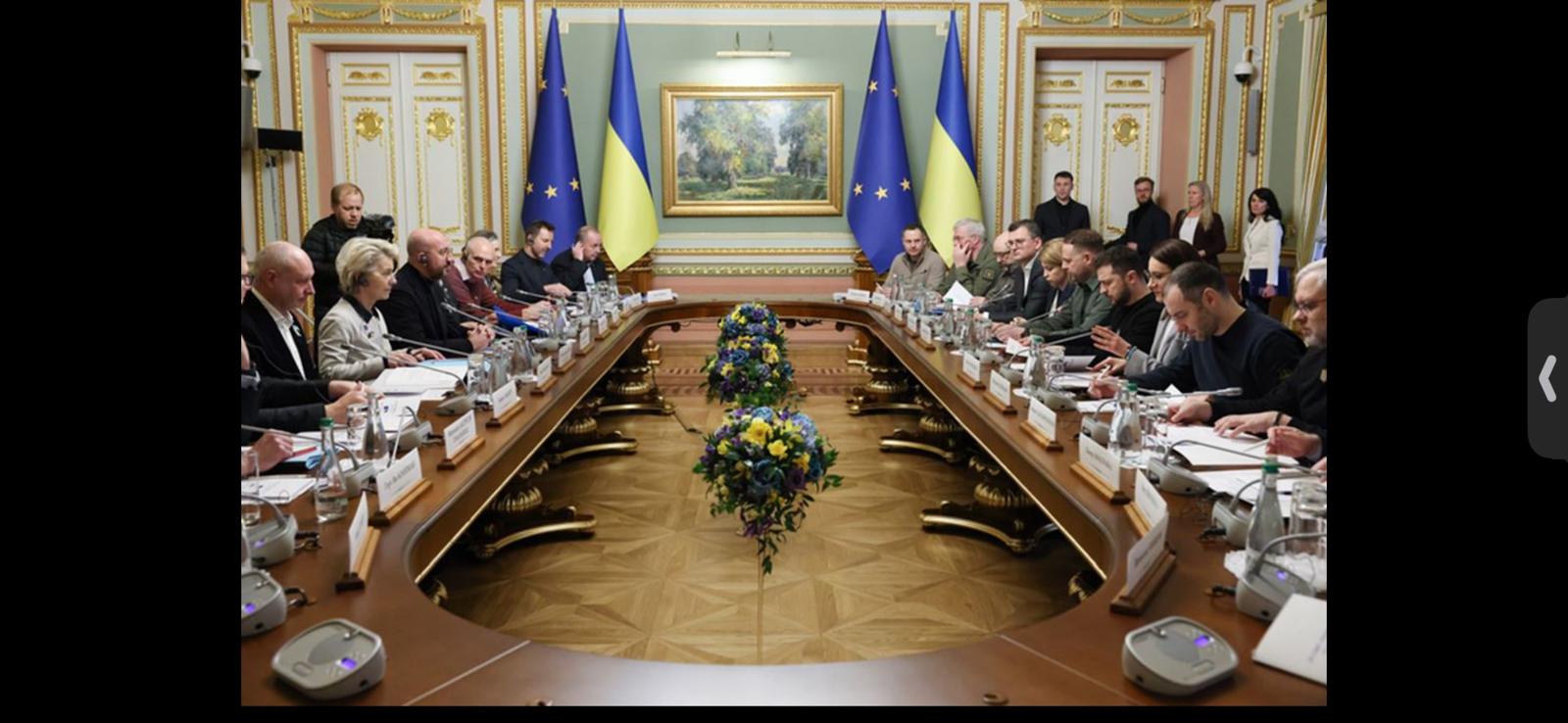
Image: European Commission. Photograph associated with the fair labour mobility package. Cropped to 16:9.
Source consulted: Guaranteeing social rights for workers everywhere in the EU | European Commission; Commission proposes ambitious measures to strengthen fair labour mobility | DG EMPL.






0 Comments
No comments on this article yet. Be the first!