
INEOS Energy on Friday announced the opening of Greensand, presented as the European Union’s first full-scale CO₂ storage site. King Frederik X of Denmark officially inaugurated the facility at the Port of Esbjerg. Partners are Harbour Energy and Denmark’s Nordsøfonden.
Carbon dioxide, initially from Danish biomethane plants, is liquefied, trucked to the terminal, shipped on the vessel Carbon Destroyer 1 and injected into the depleted Nini West field, about 1,800 metres beneath the North Sea bed and some 250 kilometres offshore.
In the first commercial phase, capacity is up to 400,000 tonnes a year. Operators speak of a possible expansion to 4–8 million tonnes annually if demand and industrial capture exist. A 2023 pilot had already tested a cross-border chain, including CO₂ from Antwerp.
Supporters see CCS as necessary for cement, chemicals and refining. Critics point to costs, energy use, the risk of extending fossil fuels and the need for long-term monitoring of stores.
The opening does not prove that maximum volumes will be reached. Tonnes stored, plant availability and cost per tonne will matter.
EU energy commissioner Dan Jørgensen called it a shift from demonstration to use. This article repeats the “full-scale” description, not a guarantee of peak capacity.
Greensand starts with biogenic CO₂. Expansion towards European industrial emissions remains a goal, not a balance sheet.
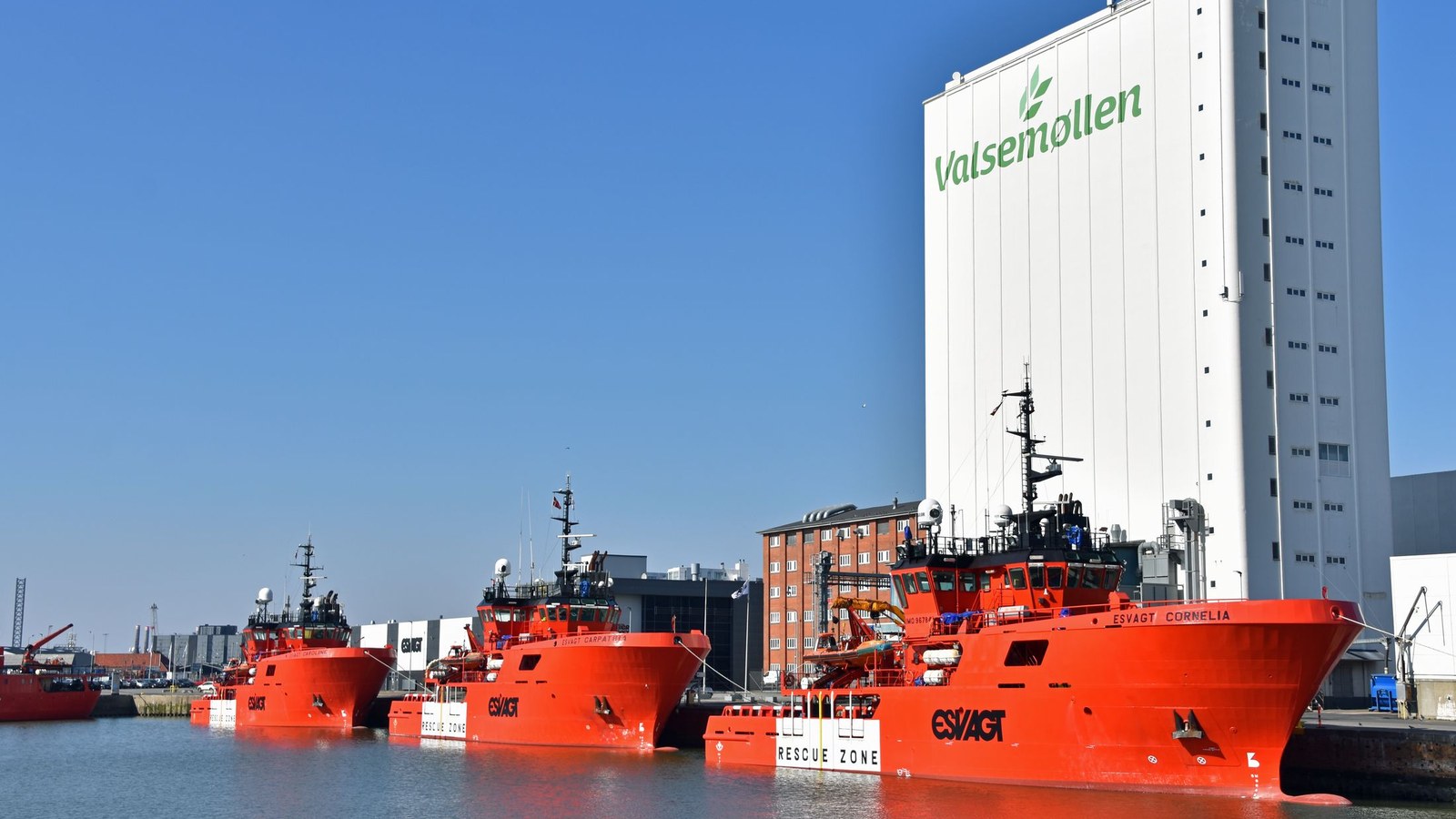
Image: Port of Esbjerg / Wikimedia Commons. ESVAGT ships and the Valsemøllen silo, not Greensand storage or the Carbon Destroyer. Cropped to 16:9.
Source consulted: INEOS opens the first full-scale CO₂ storage site in the EU | INEOS; INEOS says EU’s first full-scale carbon storage project to start operating | Reuters.





0 Comments
No comments on this article yet. Be the first!